Your Travel Partner
SINCE 1989
Your Travel Partner
SINCE 1989
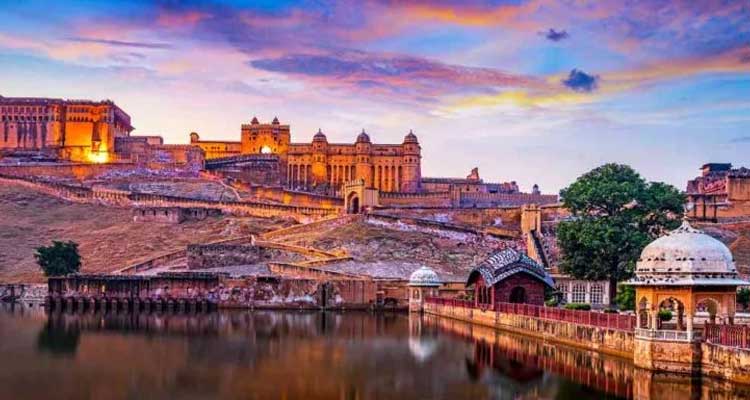
Jaipur, the magnificent capital of Rajasthan, stands as one of India's most iconic and enchanting destinations, where centuries of royal heritage, architectural brilliance, vibrant culture, and modern luxury come together in perfect harmony. Known around the world as the Pink City, Jaipur is a destination that effortlessly combines the grandeur of India's royal past with the comforts and sophistication sought by today's discerning travelers.
As an essential part of the famous Golden Triangle Tour of India, Jaipur attracts visitors from across the globe who come to experience its spectacular forts, opulent palaces, bustling bazaars, colorful traditions, and extraordinary hospitality. Every corner of the city tells a story of Rajput valor, artistic excellence, and royal magnificence that has been carefully preserved for generations.
Read More +
06 Nights / 07 Days
Delhi - Agra - Jaipur - Delhi
03 Nights / 04 Days
Jaipur – Ajmer – Pushkar – Jaipur
01 Day
Jaipur – Amber Fort – City Palace – Hawa Mahal – Jantar Mantar – Jaipur
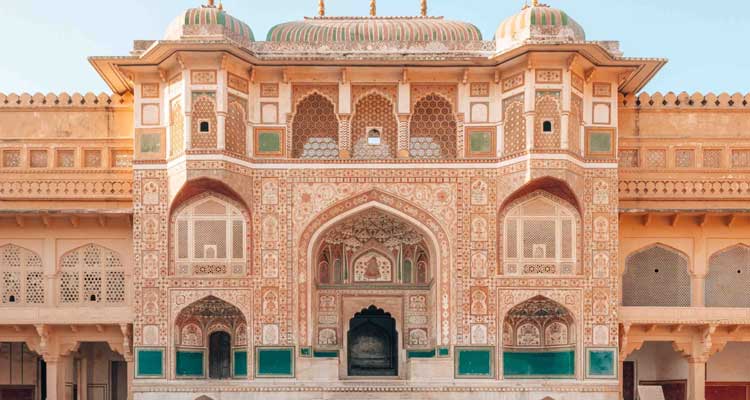
Amber Fort is Jaipur's most iconic attraction and one of the finest examples of Rajput architecture in India. Perched atop the Aravalli Hills, the fort was built by Raja Man Singh I and later expanded by successive rulers of the Kachwaha dynasty. Constructed from red sandstone and marble, the fort combines military strength with royal elegance, creating a spectacular architectural masterpiece. Inside the fort, visitors can explore magnificent courtyards, royal apartments, beautifully decorated halls, and the world-famous Sheesh Mahal (Mirror Palace). The panoramic views of Maota Lake and the surrounding hills further enhance the experience, making Amber Fort one of the most visited monuments in Rajasthan.
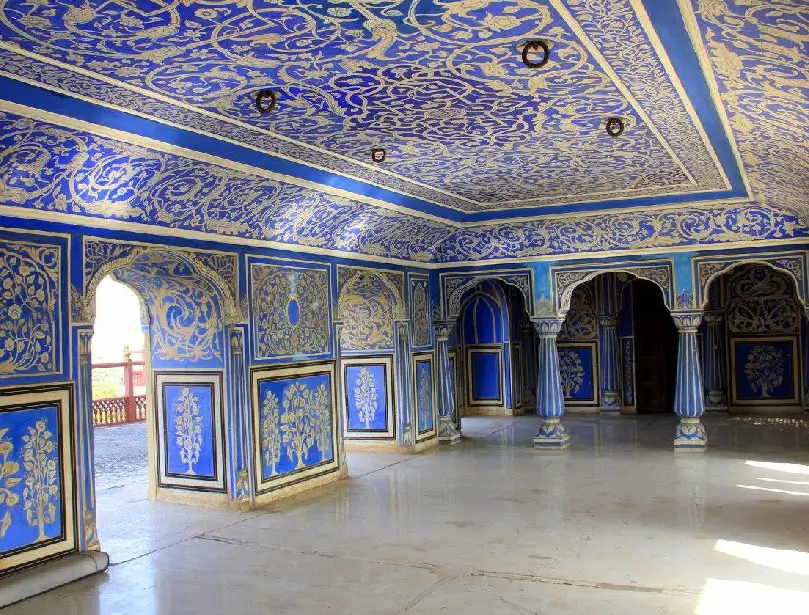
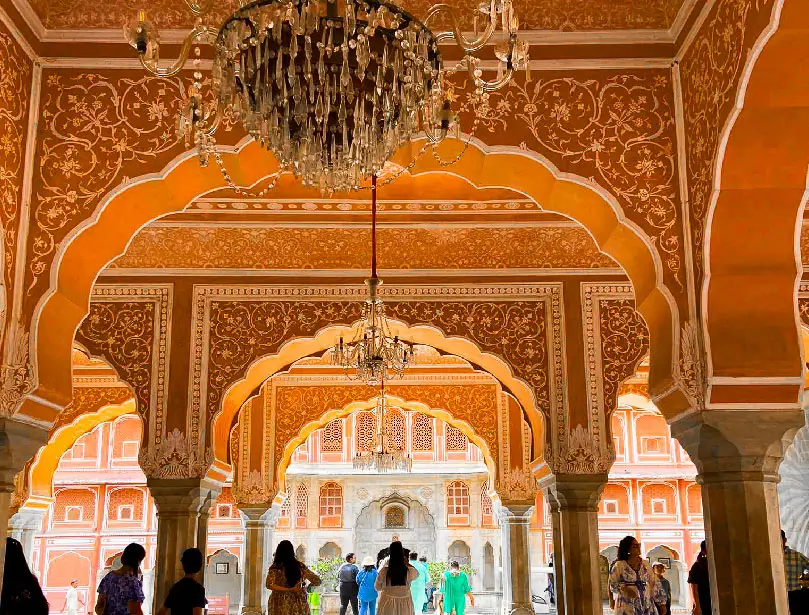
Located in the heart of Jaipur's old city, the City Palace remains one of Rajasthan's most impressive royal residences. Built by Maharaja Sawai Jai Singh II, the palace complex showcases a remarkable blend of Rajput, Mughal, and European architectural styles while continuing to serve as the residence of Jaipur's royal family. Visitors can admire magnificent courtyards, museums, royal galleries, ceremonial halls, and beautifully decorated gateways such as the famous Peacock Gate. The palace houses an extraordinary collection of royal costumes, weapons, manuscripts, and artifacts that offer valuable insights into Jaipur's regal history.
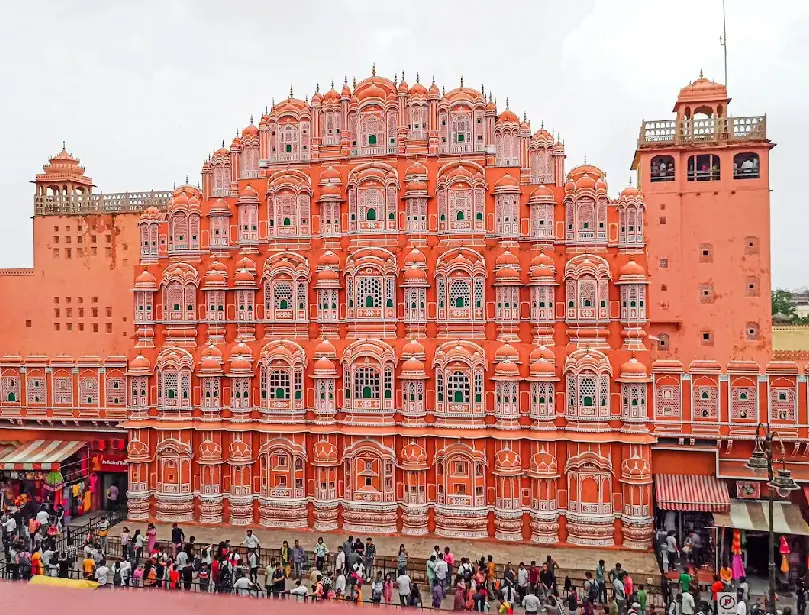
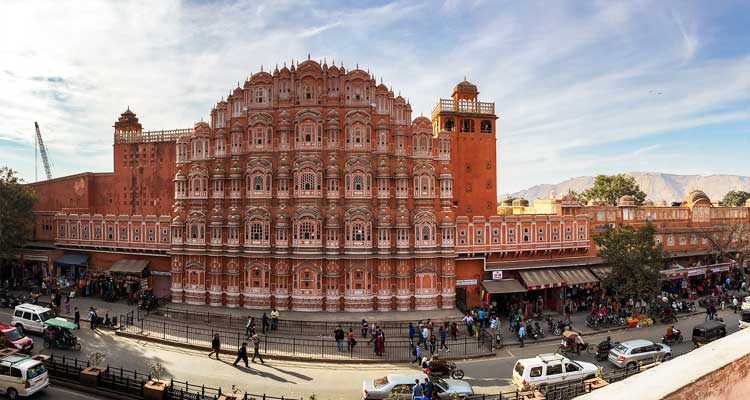
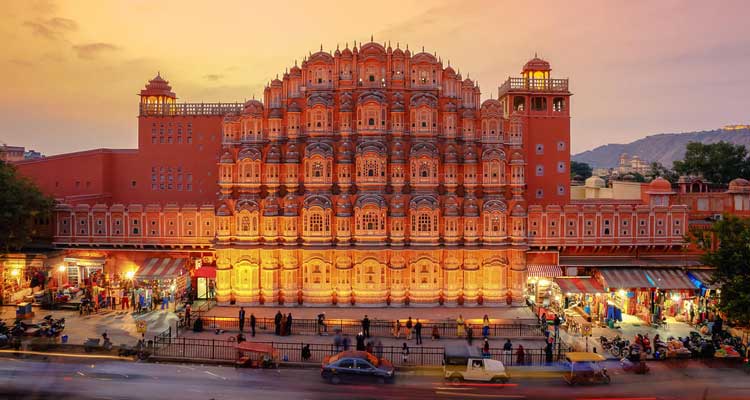
Known worldwide as the Palace of Winds, Hawa Mahal is one of Jaipur's most recognizable landmarks. Built in 1799 by Maharaja Sawai Pratap Singh, the five-story structure features an intricate honeycomb façade with 953 small windows designed to allow royal women to observe daily life without being seen. Constructed from pink sandstone, the monument is an outstanding example of Rajput architecture and remains one of the most photographed buildings in India. Visitors can enjoy beautiful views of the old city while learning about the fascinating history behind this architectural masterpiece.
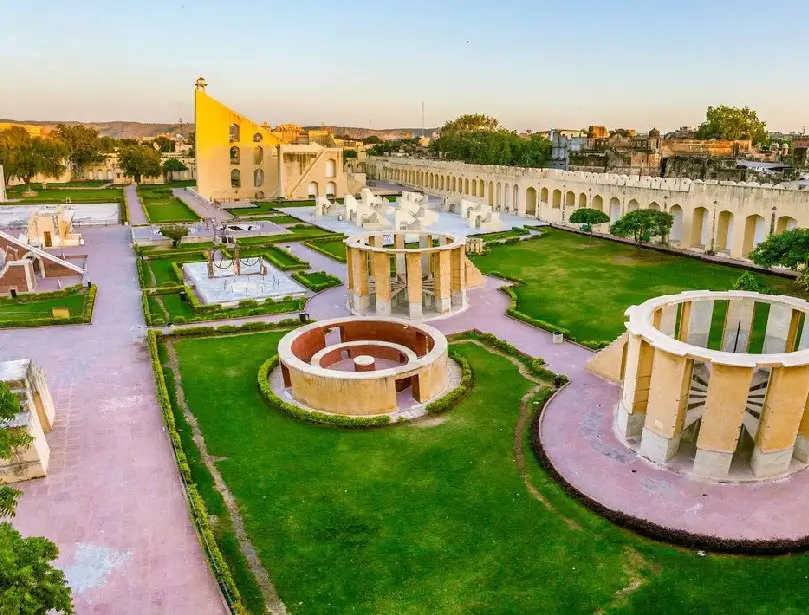
A UNESCO World Heritage Site, Jantar Mantar is one of the largest and best-preserved astronomical observatories in the world. Built by Maharaja Sawai Jai Singh II, the complex contains a collection of enormous astronomical instruments designed to measure time, predict eclipses, and track celestial bodies with remarkable precision. The observatory reflects Jaipur's rich scientific heritage and demonstrates the advanced understanding of astronomy achieved during the 18th century. It remains one of the city's most unique attractions for history enthusiasts and curious travelers alike.
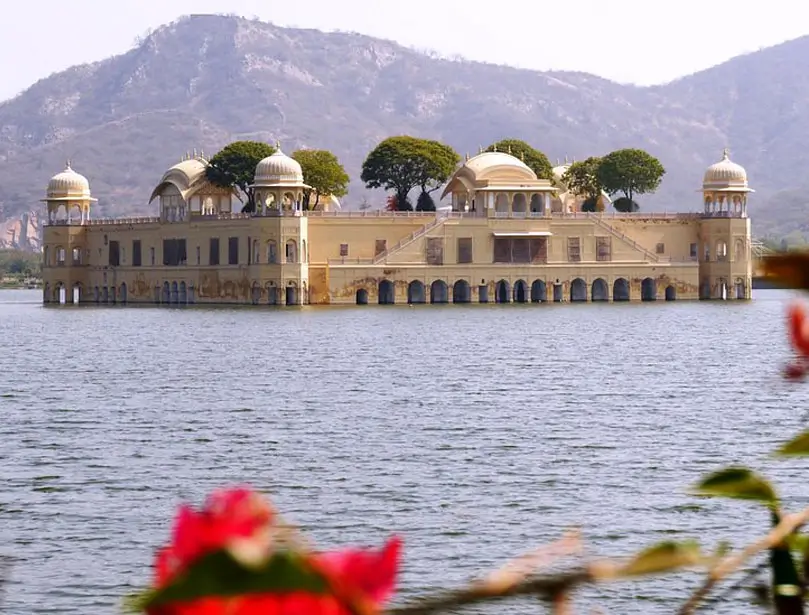
Situated in the middle of Man Sagar Lake, Jal Mahal is one of Jaipur's most picturesque landmarks. The elegant palace appears to float on the water, creating a breathtaking sight against the backdrop of the Aravalli Hills. Built as a royal retreat, the palace is a perfect example of Rajput architectural beauty. Although visitors cannot enter the palace itself, the lakeside promenade offers spectacular views and excellent photography opportunities. Sunrise and sunset are particularly magical times to admire this iconic monument.
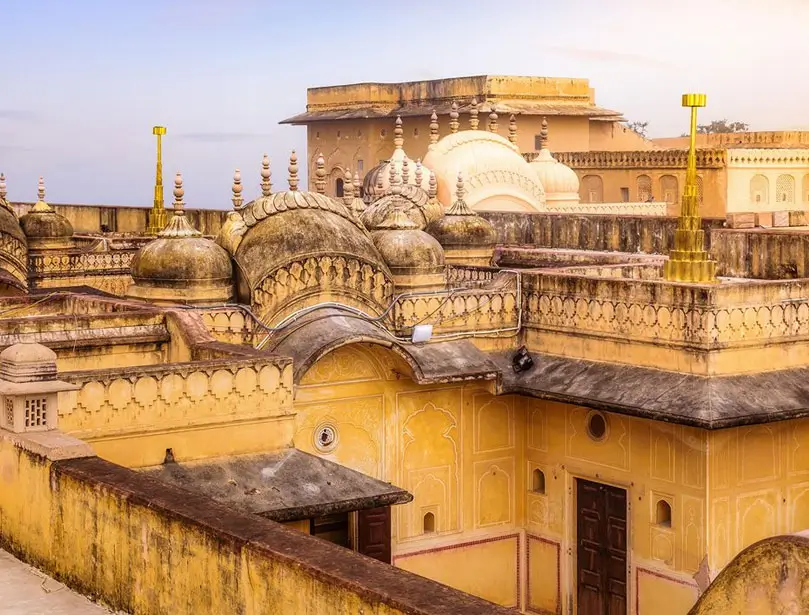
Overlooking the Pink City from the Aravalli Hills, Nahargarh Fort was originally built as a defensive structure by Maharaja Sawai Jai Singh II. Over time, it became a retreat for Jaipur's royal family and played an important role in protecting the city from potential invasions. Today, visitors are drawn to Nahargarh Fort for its breathtaking panoramic views, historic architecture, and beautiful sunset experiences. The fort provides one of the best vantage points from which to appreciate the scale and beauty of Jaipur.
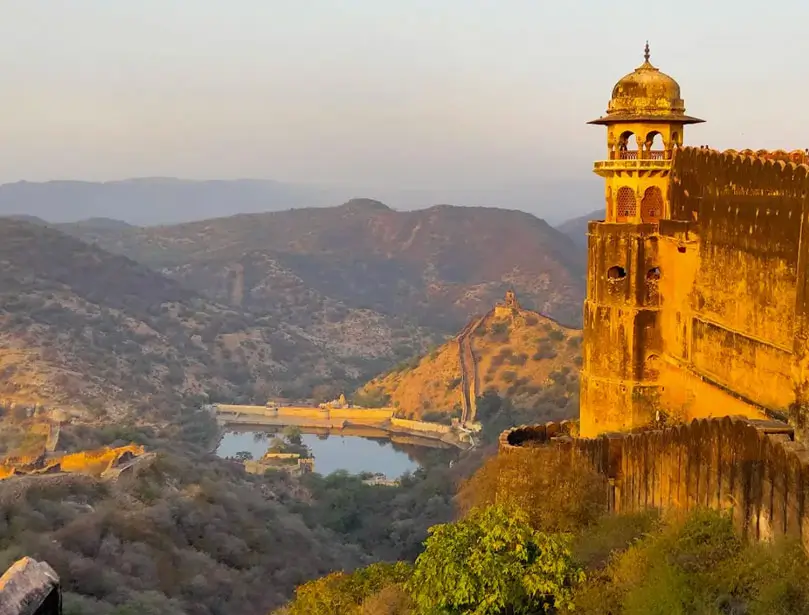
Jaigarh Fort stands proudly above Amber Fort and is famous for its military architecture and historical significance. Built to protect the Amber Palace complex, the fort houses the legendary Jaivana Cannon, which is considered one of the largest wheeled cannons ever constructed. The fort offers stunning views of the surrounding hills and showcases extensive fortifications, watchtowers, reservoirs, and royal structures. It provides fascinating insight into the military strength and engineering achievements of the Rajput rulers.
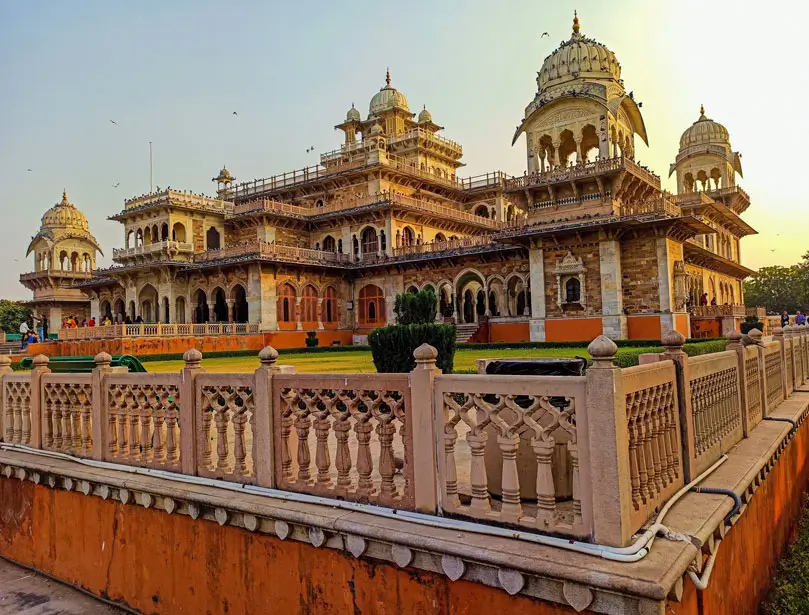
Albert Hall Museum is Rajasthan's oldest museum and one of Jaipur's most important cultural institutions. Constructed in Indo-Saracenic architectural style, the building itself is a masterpiece that attracts architecture enthusiasts from around the world. Inside, visitors can explore extensive collections of paintings, sculptures, textiles, carpets, metalwork, weapons, and historical artifacts. The museum provides an excellent introduction to Rajasthan's artistic, cultural, and historical heritage.
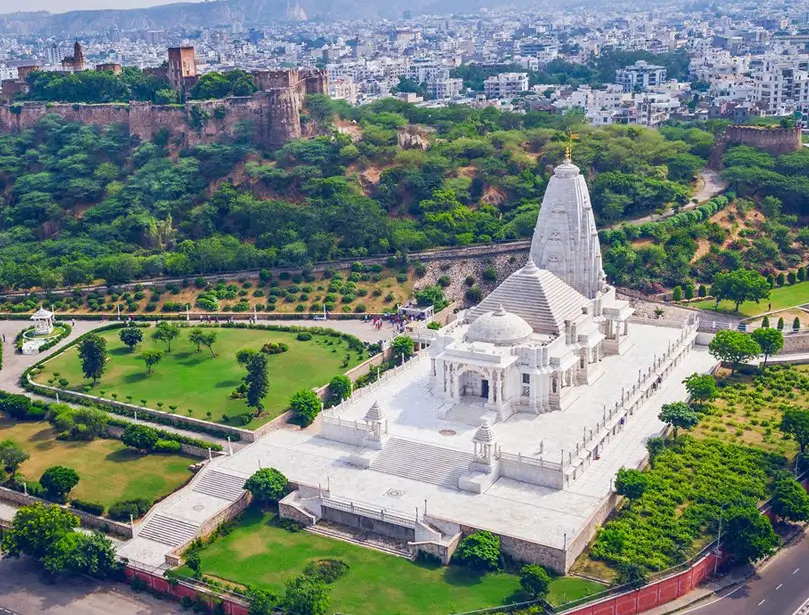
Built entirely from pristine white marble, Birla Mandir is one of Jaipur's most beautiful modern temples. Dedicated to Lord Vishnu and Goddess Lakshmi, the temple combines elegant architecture with a peaceful spiritual atmosphere. The temple is especially impressive during the evening when illuminated against the Jaipur skyline. Its intricate carvings, serene environment, and scenic location make it a popular destination for both worshippers and visitors.
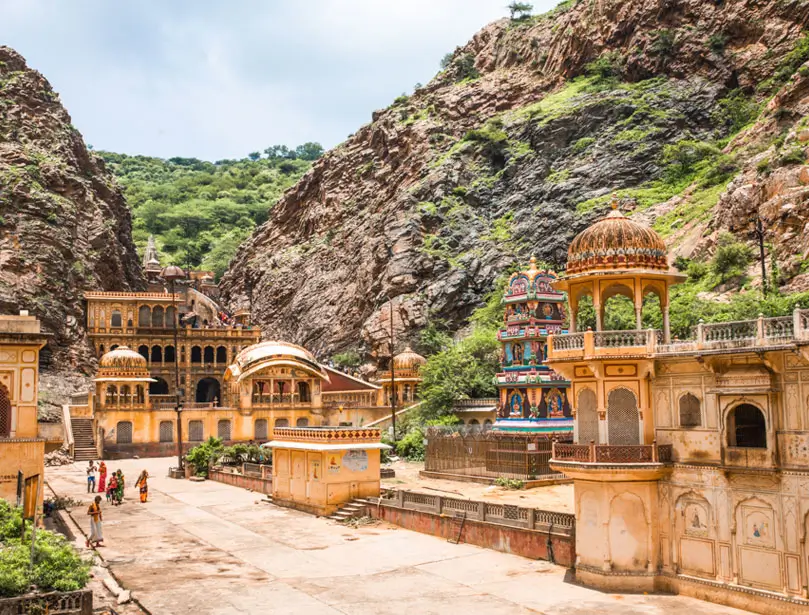
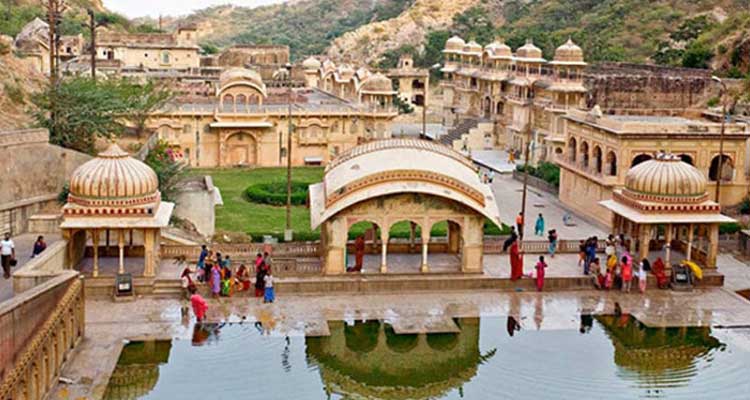
Nestled within the Aravalli Hills, Galtaji Temple is one of Jaipur's most significant pilgrimage sites. The temple complex is famous for its sacred water tanks, natural springs, ancient shrines, and large population of monkeys that inhabit the area. The unique setting, surrounded by rocky hills and historic architecture, creates a fascinating blend of spirituality and natural beauty. It offers visitors a glimpse into Jaipur's religious traditions and cultural heritage.
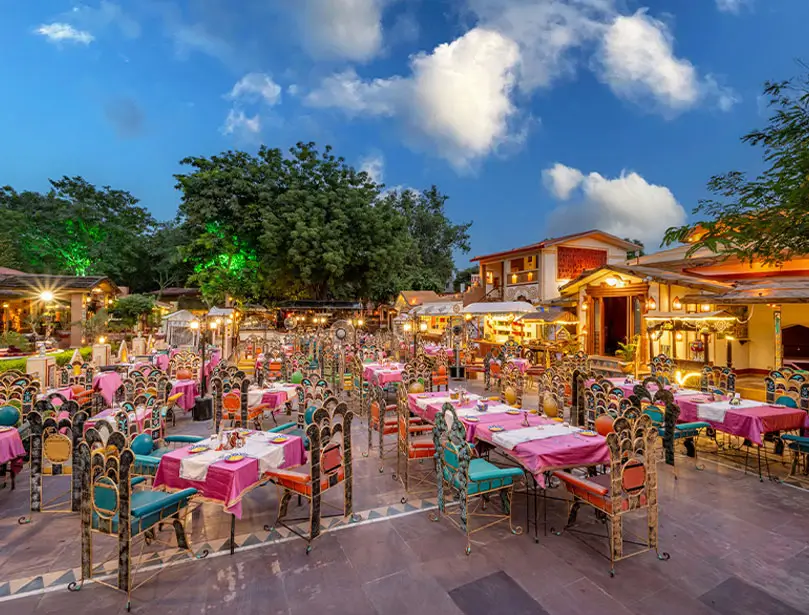
Chokhi Dhani is Jaipur's most famous cultural village resort and offers visitors an immersive introduction to Rajasthan's traditions and lifestyle. Designed to recreate a traditional Rajasthani village, it features folk performances, puppet shows, camel rides, traditional games, artisan demonstrations, and cultural activities. The highlight for many visitors is the authentic Rajasthani dining experience where traditional dishes are served in a royal village-style setting. Chokhi Dhani is an ideal destination for travelers seeking a deeper understanding of Rajasthan's vibrant culture.
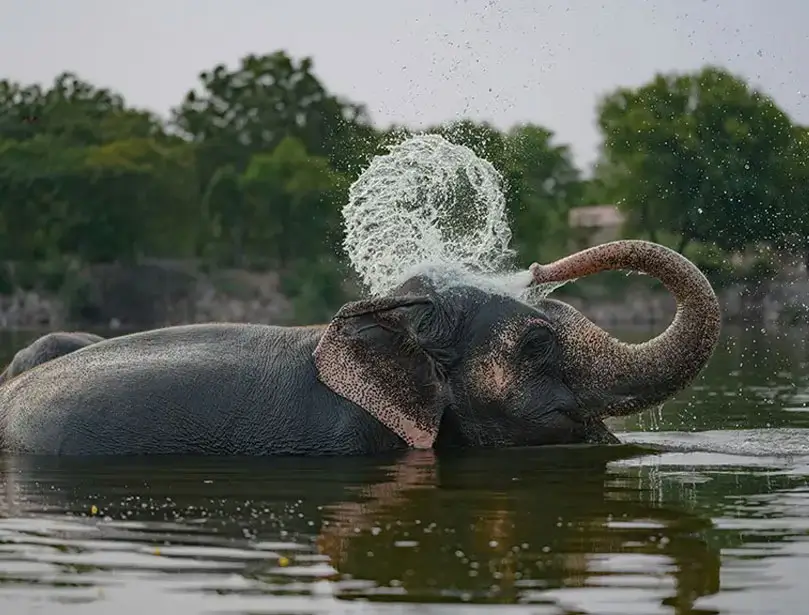
Elefantastic is one of Jaipur's most respected ethical elephant experiences and a favorite among international travelers. The sanctuary focuses on elephant welfare and provides visitors with opportunities to interact with rescued elephants in a responsible and educational environment. Guests can learn about elephant behavior, feed the animals, walk alongside them, and gain insight into conservation efforts. The experience offers a meaningful connection with these gentle giants while promoting ethical and sustainable tourism practices.
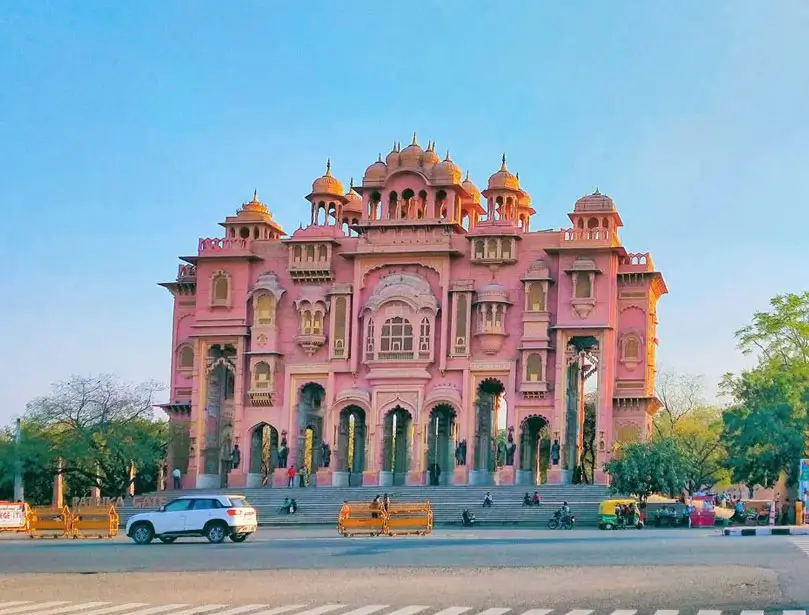
Patrika Gate is one of Jaipur's most colorful and photogenic modern landmarks. The beautifully painted gateway showcases Rajasthan's history, architecture, culture, festivals, and traditions through intricate murals and vibrant artwork. Every section of the gate tells a story about the state's rich heritage, making it a favorite destination for photographers and visitors looking to capture the spirit of Rajasthan in a single location.
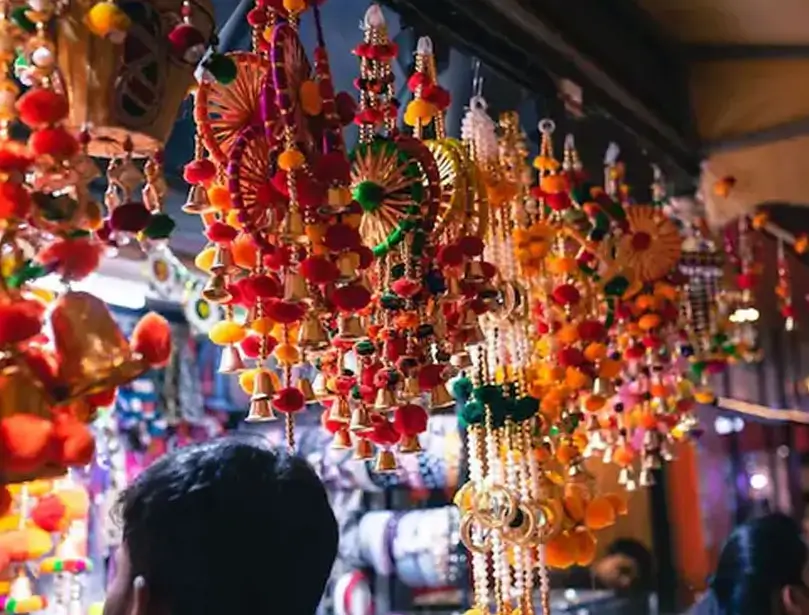
Johari Bazaar is Jaipur's most famous jewelry market and a paradise for shoppers interested in gemstones, diamonds, precious stones, and traditional Rajasthani jewelry. The market has been a center of gemstone trading and craftsmanship for centuries. Visitors can browse an extraordinary selection of handcrafted jewelry while experiencing the vibrant atmosphere of Jaipur's historic commercial district. It remains one of the city's most popular shopping destinations.
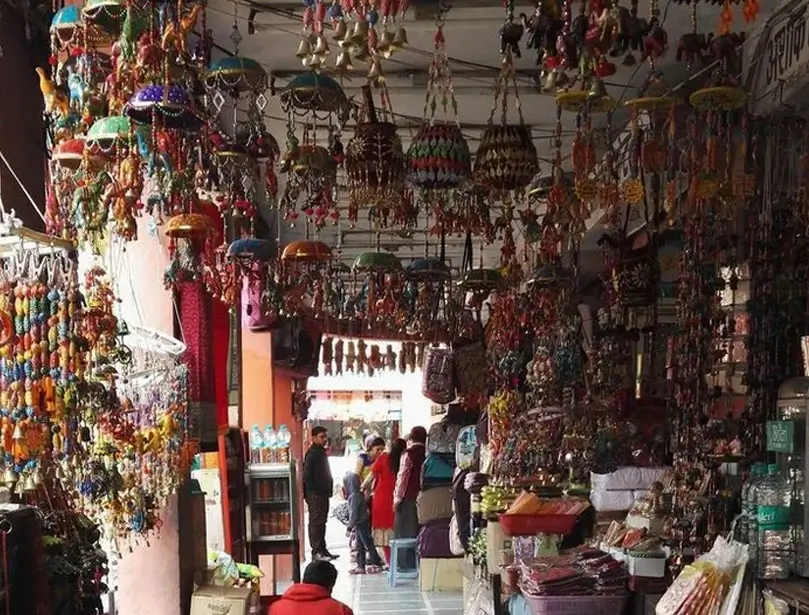
Bapu Bazaar is one of Jaipur's most vibrant markets and an excellent place to discover traditional handicrafts, textiles, leather goods, mojari footwear, souvenirs, and local products. The colorful market offers visitors an authentic shopping experience in the heart of the Pink City. The lively atmosphere, traditional craftsmanship, and wide variety of products make Bapu Bazaar a favorite destination for travelers seeking unique souvenirs and a glimpse into Jaipur's commercial heritage.