Your Travel Partner
SINCE 1989
Your Travel Partner
SINCE 1989
Delhi – Agra – Fatehpur Sikri – Jaipur – Pushkar – Jodhpur – Ranakpur – Udaipur – Delhi
Rajasthan reveals its character most clearly when its great cities, historic roads, desert settlements and royal capitals are travelled as one continuous journey. The Exotic Rajasthan Group Tour 12 Days with Taj Mahal has been arranged around that idea, combining the celebrated landmarks of North India with some of Rajasthan's most distinctive destinations. Beginning in Delhi, the route moves to Agra for the Taj Mahal before entering Rajasthan through Jaipur and continuing towards Pushkar, Jodhpur and Udaipur. Historic stops at Fatehpur Sikri and Ranakpur add further depth to the journey without breaking the natural progression of the itinerary.
This 12-day Rajasthan group tour is particularly suitable for travellers who want more than a brief Golden Triangle holiday but do not have several weeks available for a longer circuit. Delhi introduces the contrasting layers of India's capital, Agra brings the architectural legacy of the Mughal period, and Jaipur opens the door to Rajasthan's royal history. Pushkar changes the pace with its sacred lake and old pilgrimage quarter, while Jodhpur brings formidable fort architecture and the atmosphere of the Blue City. Udaipur provides a fitting final Rajasthan stay with palaces, lakes, historic neighbourhoods and the Aravalli landscape.
The itinerary has been designed so that major sightseeing is combined with realistic travel between destinations rather than turning the holiday into a rushed sequence of monuments. Two-night stays in Delhi, Jaipur, Jodhpur and Udaipur allow important cities to be seen with greater depth. The route also includes places that give the journey a stronger cultural identity, from the abandoned Mughal capital of Fatehpur Sikri to the intricately carved Jain temple complex at Ranakpur. Travellers therefore see different architectural traditions, religious landscapes and regional settings instead of visiting only the most famous tourist stops.
For international visitors planning their first extensive journey through Rajasthan, the package brings together many of the region's strongest attractions within one practical circuit. The Taj Mahal tour with Rajasthan, Amber Fort, Mehrangarh Fort, Pushkar Lake, Ranakpur Jain Temples and Udaipur's City Palace represent very different chapters of Indian history. Equally important are the smaller details encountered between these landmarks: old bazaars, city gates, local neighbourhoods, changing countryside and the transition from the plains around Delhi and Agra to Rajasthan's semi-arid landscapes and the hills surrounding Udaipur.
Your Exotic Rajasthan Group Tour begins with arrival in Delhi, where you will be received and assisted with your transfer to the hotel. For many international travellers, Delhi is the first introduction to India, and the city immediately presents a striking mixture of different periods and lifestyles. Historic monuments stand beside modern commercial districts, broad avenues lead towards densely populated old quarters, and centuries of political history remain visible across the capital. After reaching the hotel, complete the check-in formalities and take some time to settle in after your journey.
The first day has deliberately been kept comfortable because international arrival times vary and long-distance flights can be tiring. Rather than scheduling major sightseeing immediately after arrival, the day allows you to adjust to the local time and prepare for the journey ahead. Depending on your arrival schedule, you may spend some time around the hotel or take a gentle introduction to the nearby neighbourhood. Delhi's streets, local shops, traffic, food stalls and varied architecture provide an early impression of the contrasts that will continue throughout the tour.
During the evening, you can relax at the hotel and discuss the programme for the following morning. The coming days will take you from Mughal Delhi to Agra and then through the historic cities of Rajasthan, so this initial overnight stay provides an important transition between your international journey and the active touring schedule ahead. No demanding programme is required on arrival day, allowing the group to begin sightseeing refreshed.
Overnight stay in Delhi
After breakfast, begin a full day of Delhi sightseeing, starting with the historic districts associated with the Mughal capital. Old Delhi retains a completely different character from the spacious avenues of New Delhi, with crowded market lanes, old religious buildings and neighbourhoods that developed around Shahjahanabad. Visit the area around Jama Masjid, one of India's major historic mosques, and continue through the old quarter where generations of merchants and residents have shaped the atmosphere of the city. The surroundings offer an excellent introduction to Delhi's living heritage rather than presenting history only through isolated monuments.
Continue towards some of the capital's prominent landmarks as the sightseeing programme moves from Old Delhi into the more spacious parts of the city. Pass the government district and see the broad ceremonial avenues associated with New Delhi's development during the British period. The contrast with the morning's old-city surroundings is considerable. Depending on the planned sightseeing schedule, important stops may include India Gate, the Parliament area, President's House surroundings and other notable landmarks that demonstrate how Delhi evolved from a succession of historic settlements into India's present-day national capital.
Later, visit further heritage attractions such as Humayun's Tomb and Qutub Minar, subject to the final sightseeing programme and opening conditions. Humayun's Tomb is particularly important for understanding the development of Mughal garden-tomb architecture before the construction of the Taj Mahal, while the Qutub complex reaches back to a much earlier chapter of Delhi's history. By the end of the day, you will have seen why Delhi cannot be understood through a single historical period. Return to the hotel after sightseeing and spend the evening at leisure.
Overnight stay in Delhi
After breakfast, check out from your Delhi hotel and begin the drive to Agra, one of the most important destinations on the Golden Triangle and Rajasthan tour route. The journey takes you away from India's capital towards the city most closely associated with Mughal architecture. On reaching Agra, check in at the hotel and prepare for sightseeing. Agra served as an imperial centre under several Mughal rulers, and its monuments preserve the wealth, craftsmanship and architectural ambitions of a dynasty that profoundly influenced the history of northern India.
Visit Agra Fort, the immense fortified complex overlooking the Yamuna River. Although commonly described as a fort, the site contains palaces, courtyards, audience halls and defensive structures developed by successive Mughal emperors. Walking through its gateways and inner sections provides a valuable historical background before visiting the Taj Mahal. The fort is also closely connected with Emperor Shah Jahan, who commissioned the Taj Mahal and later spent the final period of his life confined within Agra Fort under the rule of his son Aurangzeb.
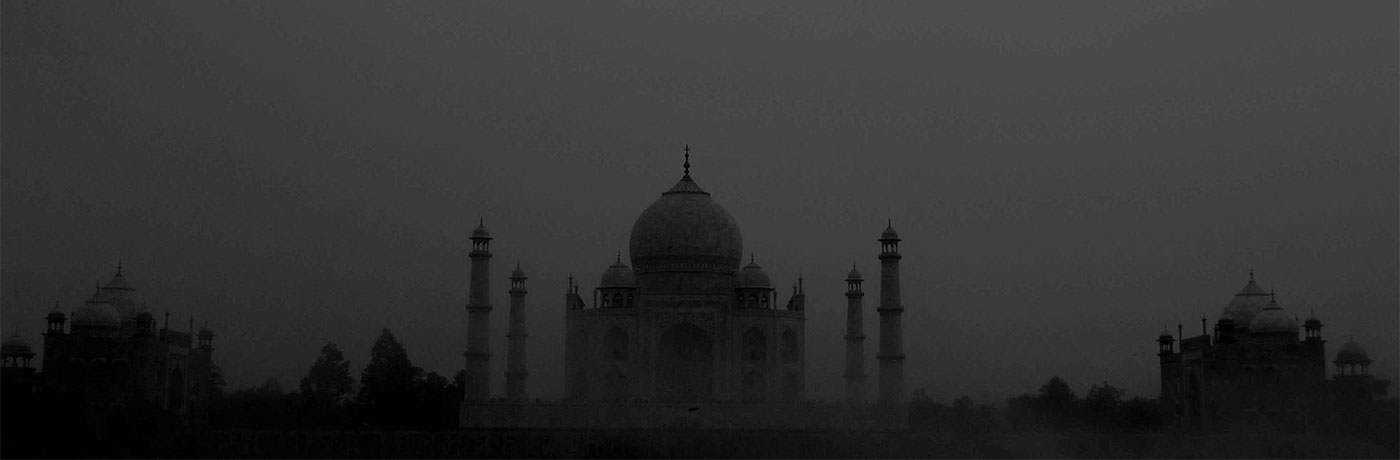
The day's defining visit is the Taj Mahal, built by Emperor Shah Jahan in memory of Mumtaz Mahal. Its reputation extends far beyond its familiar white-marble façade; the monument is remarkable for its symmetry, stone inlay work, calligraphy, garden planning and carefully balanced architectural proportions. Time at the complex allows you to view the monument from different perspectives and observe details that photographs rarely convey. After completing the Agra sightseeing programme, return to your hotel and enjoy a relaxed evening.
Overnight stay in Agra
Following breakfast, leave Agra and travel towards Jaipur, with an important historical stop at Fatehpur Sikri. Constructed under Emperor Akbar, Fatehpur Sikri served for a relatively short period as the Mughal imperial capital, yet it remains one of the most impressive surviving examples of Mughal urban planning. The complex contains grand gateways, audience halls, courtyards, royal apartments and religious structures, offering a different architectural experience from both Agra Fort and the Taj Mahal.
Walk through the principal sections of Fatehpur Sikri and observe how red sandstone was used to create finely carved pillars, screens and architectural details throughout the complex. Buildings such as the Diwan-i-Khas, Panch Mahal and other palace structures illustrate the variety of influences incorporated into Akbar's architectural projects. The site also provides insight into the political and cultural environment of the Mughal court. Rather than functioning merely as a roadside stop, Fatehpur Sikri forms an important historical link between the Delhi-Agra section of the tour and the journey into Rajasthan.
Continue by road towards Jaipur as the landscape gradually takes on a more distinctly Rajasthani character. On arrival in the Pink City of Jaipur, transfer to the hotel and complete the check-in formalities. Jaipur was established as a planned royal capital and remains one of the most important destinations for travellers interested in Rajasthan's forts, palaces, crafts and traditional bazaars. The remainder of the evening can be used for relaxation after the road journey or for a first look at the surroundings near the hotel.
Overnight stay in Jaipur
After breakfast, begin a comprehensive day of Jaipur sightseeing with a visit to Amber Fort, situated on the hills outside the central city. The fort-palace complex was developed by the Kachwaha rulers before Jaipur became their principal capital and contains courtyards, gateways, private chambers and ornate halls built over different periods. As you move through the complex, the elevated position provides views across the surrounding hills and Maota Lake. Architectural details inside the palace sections demonstrate the refined decorative traditions associated with Rajasthan's royal courts.
Return towards the city and stop to view the celebrated Hawa Mahal, whose distinctive façade has become one of Jaipur's most recognisable sights. Continue to City Palace, the historic royal complex located in the heart of the old city. Its courtyards, gateways, museum collections and palace buildings reflect the history of Jaipur's ruling family and the city's development as a royal capital. Nearby, visit Jantar Mantar, the extraordinary collection of astronomical instruments commissioned by Maharaja Sawai Jai Singh II and designed for highly precise astronomical observations.
The later part of the day gives you a closer look at Jaipur beyond its monumental architecture. The old city is known for bazaars selling textiles, jewellery, handicrafts, block-printed fabrics, traditional footwear and numerous locally produced goods. Moving through these commercial quarters reveals the continuing relationship between Jaipur's historic craft traditions and its present-day economy. After a full day covering the city's major attractions and market areas, return to the hotel for a comfortable evening.
Overnight stay in Jaipur
Enjoy breakfast at the hotel before leaving Jaipur for Pushkar, a smaller destination with a character very different from Rajasthan's major royal cities. Set beside a sacred lake and surrounded by low hills, Pushkar has been an important pilgrimage centre for generations. Its narrow streets, temples, ghats and small market areas create a more intimate atmosphere after the grand forts and palaces of Jaipur. On arrival, transfer to the hotel and complete the check-in formalities before beginning the local visit.
Spend time around Pushkar Lake, which forms the spiritual centre of the town. Numerous bathing ghats descend towards the water, and temples and religious buildings occupy the surrounding lanes. Visitors should respect local customs around the ghats, where religious ceremonies and personal acts of worship take place throughout the day. Continue to the Brahma Temple, traditionally regarded as one of Pushkar's most significant religious sites. The temple and sacred lake together explain why this relatively small Rajasthan town holds such an important position on India's pilgrimage map.
Later, walk through Pushkar's old market streets, where small shops sell textiles, jewellery, handicrafts, clothing and religious items. The town's pedestrian-friendly central area allows a slower style of sightseeing than the larger cities earlier in the tour. As daylight softens around the lake and surrounding hills, Pushkar takes on a particularly peaceful character away from its busier daytime lanes. Return to the hotel after the visit and spend the remainder of the evening at leisure.
Overnight stay in Pushkar
After breakfast, depart Pushkar and continue west towards Jodhpur, one of Rajasthan's most historically important cities. The road journey provides another change in scenery as the tour moves deeper into the drier landscapes of western Rajasthan. Jodhpur was the capital of the former Marwar kingdom, and its strategic position contributed to its importance on historic trading routes. Even before entering the central city, the massive outline of Mehrangarh Fort rising above the surrounding neighbourhoods signals the powerful royal history associated with the destination.
On arrival, transfer to the hotel and complete check-in. The programme is intentionally less demanding than a full sightseeing day, giving you time to recover from the drive and become familiar with Jodhpur's surroundings. Depending on arrival time, you can venture towards the old city, where traditional houses, narrow streets and busy commercial areas gather beneath Mehrangarh Fort. The blue-painted buildings associated with older neighbourhoods have given Jodhpur its popular description as the Blue City of Rajasthan.
The evening is well suited to seeing the everyday side of Jodhpur. The area around the old markets presents a lively mixture of spice sellers, textile shops, handicrafts and small local businesses, while the historic Clock Tower remains a familiar landmark in the commercial quarter. Rather than rushing through major monuments after the journey from Pushkar, this afternoon and evening provide a gentler introduction to Marwar's capital before the detailed sightseeing planned for the following day. Return to your hotel and relax.
Overnight stay in Jodhpur
Following breakfast, begin the day at Mehrangarh Fort, one of Rajasthan's most imposing fortified complexes. Standing high above Jodhpur, the fort dominates the city skyline and provides wide views across the blue-painted neighbourhoods below. Its massive walls and gateways were constructed not simply for visual effect but as part of a formidable defensive system. Inside, a sequence of courtyards and palace chambers reveals a more refined side of Marwar's royal history, with decorated interiors, latticework, balconies and collections connected with the former rulers.
Spend sufficient time within Mehrangarh rather than treating it as a brief photo stop. The fort's palace sections help illustrate how royal life operated behind its military exterior, while museum displays provide context for regional craftsmanship, ceremonial objects and court traditions. From the elevated ramparts and viewing points, the contrast between the fort's sandstone architecture and the dense city below is especially striking. Continue afterwards to Jaswant Thada, the elegant marble memorial built near the fort and surrounded by a quieter landscape of gardens and rocky hills.
Later in the day, return towards the older quarters of Jodhpur and spend time around the traditional market district. The Sardar Market and Clock Tower area remains one of the city's liveliest commercial centres, with shops and stalls selling spices, textiles, handicrafts and everyday goods. This portion of the programme adds an important human dimension after the monumental scale of Mehrangarh. The combination of royal architecture, historic neighbourhoods and active marketplaces makes Jodhpur one of the strongest cultural stops on the itinerary.
Overnight stay in Jodhpur
After breakfast, check out from the Jodhpur hotel and begin the journey towards Udaipur. Today's route is particularly rewarding because the landscape gradually changes from the dry surroundings of Marwar towards the greener hills associated with southern Rajasthan. Rather than travelling directly between the two cities, the itinerary includes a stop at Ranakpur, renowned for its Jain temple architecture. The drive therefore becomes an important sightseeing day in its own right, linking two very different regions of Rajasthan.
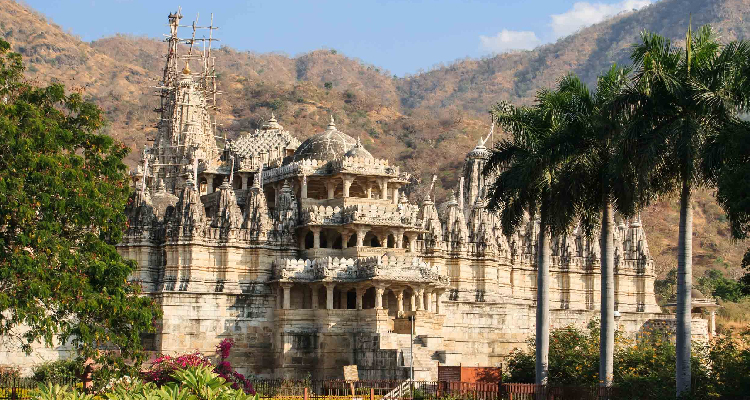
Visit the famous Ranakpur Jain Temple complex, set amid the Aravalli landscape. The principal marble temple is celebrated for its extensive carved interiors and remarkable arrangement of pillars, domes, halls and sculptural details. Walking through the interior reveals an extraordinary level of craftsmanship, with changing patterns of light emphasising different carvings as you move through the building. The peaceful setting also creates a strong contrast with the massive fort architecture seen in Jodhpur the previous day. Visitors are expected to observe the temple's entry rules and religious customs during the visit.
After completing the Ranakpur visit, continue through the hills towards Udaipur, historically the capital of the Mewar kingdom and one of Rajasthan's most distinctive cities. Lakes, palace architecture and the surrounding Aravalli hills give Udaipur a landscape unlike Jaipur or Jodhpur. On arrival, transfer to the hotel and complete check-in. The evening can be spent at leisure, allowing time to rest after the drive or enjoy an initial glimpse of the lake-city atmosphere before the following day's sightseeing.
Overnight stay in Udaipur
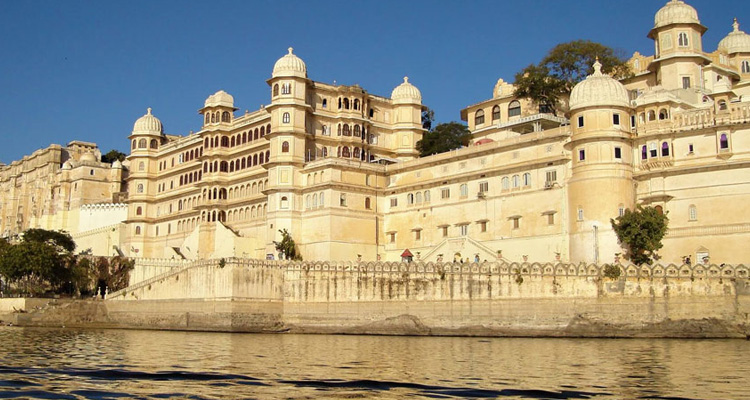
Begin the morning with breakfast before setting out for a full day of Udaipur sightseeing. The principal visit is the magnificent City Palace, a vast complex built over successive generations of Mewar rulers. Rising above Lake Pichola, the palace consists of courtyards, balconies, corridors, chambers and terraces that developed gradually rather than as a single construction project. Its elevated sections provide memorable views over the lake, old city and surrounding hills, while interior spaces contain decorative work associated with Mewar's royal traditions.
Continue to Jagdish Temple, located close to the palace complex and approached through the historic centre of Udaipur. The temple remains an active place of worship as well as an important architectural landmark, giving visitors the opportunity to see how religious life continues within the old city. Later, visit Saheliyon Ki Bari, the historic garden known for its fountains, pavilions and landscaped setting. These stops reveal different aspects of Udaipur: royal power at City Palace, living religious tradition at Jagdish Temple and courtly leisure represented by the garden.
The later part of the day can include time around Udaipur's lakefront and old-city areas, subject to the final local programme. A boat ride on Lake Pichola may also be arranged when operating conditions and water levels permit, offering a different perspective of the palace façades and waterfront architecture. As evening approaches, the changing light across the lake and hills gives the city its celebrated visual character. After a day covering Udaipur's principal heritage attractions, return to the hotel.
Overnight stay in Udaipur
After breakfast, check out from the Udaipur hotel and prepare for the return journey to Delhi according to the scheduled transport arrangements. Leaving Udaipur marks the end of the Rajasthan section of the tour after several days travelling through royal capitals, pilgrimage towns, historic roads and the varied landscapes of the state. The route has moved from Jaipur's planned old city to Pushkar's sacred lake, from Jodhpur's desert-edge fortifications to the marble temples of Ranakpur and finally to Udaipur's lake-filled setting.
The transfer to Delhi is planned according to the operational schedule of the package and may involve the appropriate road or domestic travel arrangement confirmed for the group. This travel day also provides a natural break after the intensive sightseeing of the previous days. Once back in Delhi, transfer to the hotel and complete check-in for the final night. Travellers can use the remaining time to rest, organise luggage or prepare for the following day's international departure.
If the arrival schedule in Delhi permits, the evening remains available for personal activities rather than another fixed sightseeing programme. Some travellers may wish to make final purchases, while others may prefer a relaxed dinner and an early night before their onward flight. Returning to Delhi also completes the geographical circuit begun at the start of the holiday, bringing the group back to India's capital after the journey through Agra and Rajasthan.
Overnight stay in Delhi
Enjoy breakfast at the hotel according to your departure schedule and complete the check-out formalities. The final day does not include a demanding sightseeing programme because airport transfer timings depend on individual or group flight schedules. Assistance will be provided for the scheduled transfer to Delhi's international airport, allowing sufficient time for airline check-in, security procedures and departure formalities.
The journey concludes after covering some of northern India's most important historical and cultural destinations within twelve days. From the monuments of Delhi and the marble perfection of the Taj Mahal to Jaipur's royal architecture, Pushkar's sacred surroundings, Mehrangarh Fort in Jodhpur, the intricate Jain temples of Ranakpur and Udaipur's palaces and lakes, every major stage of the route has presented a different aspect of the region.
Your 12 Days Rajasthan Group Tour with Taj Mahal ends with the transfer to Delhi airport for your onward destination. The itinerary has been structured to combine internationally recognised landmarks with cities and cultural settings that reveal Rajasthan beyond a short Golden Triangle visit. With the airport transfer completed, the services under the scheduled tour programme come to an end.
This luxury tour includes accommodation at premium Taj Hotels in Delhi, Agra and Jaipur, private chauffeur-driven transportation, sightseeing as per the itinerary, airport transfers and the services of an experienced English-speaking guide during city tours. Depending on your selected package, monument entrance tickets and meals may also be included.
This itinerary features some of India's most prestigious luxury hotels:
Each property combines world-class hospitality with exceptional comfort and offers a memorable luxury stay.
Absolutely. The Golden Triangle is India's most popular travel circuit and offers an excellent introduction to the country's history, architecture, culture and cuisine. With private transportation, luxury accommodation and carefully planned sightseeing, it provides a comfortable and stress-free travel experience for first-time visitors.
The longest road journey is between Delhi and Agra (approximately 3–4 hours), followed by Agra to Jaipur (approximately 5–6 hours including sightseeing stops at Fatehpur Sikri and Abhaneri). Your private chauffeur ensures comfortable travel with opportunities for refreshments and breaks along the way.
The ideal time is between October and March, when temperatures are pleasant for sightseeing. This season offers clear skies, comfortable walking conditions and excellent opportunities for photography at monuments such as the Taj Mahal and Amber Fort.
Yes. One of the highlights of this itinerary is an early morning visit to the Taj Mahal. Sunrise offers softer light, cooler temperatures and a more peaceful atmosphere, allowing you to experience the monument at its most beautiful.
Yes. The itinerary can be tailored to suit your interests, travel pace and preferences. Additional nights, luxury experiences, cultural activities or extensions to destinations such as Varanasi, Ranthambore, Udaipur, Jodhpur or Kerala can easily be arranged.
Yes. The itinerary is designed with comfort in mind and is well suited for senior travellers. Private transportation, luxury accommodation and a flexible sightseeing schedule allow for a relaxed pace. If required, sightseeing can be adjusted according to individual mobility and comfort levels.
Certainly. The combination of luxury Taj Hotels, private sightseeing, romantic sunrise at the Taj Mahal, royal palaces and elegant dining experiences makes this an ideal honeymoon or anniversary journey.
Transportation is provided in a modern, air-conditioned private vehicle with a professional chauffeur. Vehicle selection depends on the number of travellers and may include a luxury sedan, SUV or premium minivan.
Entrance tickets are generally optional and may be included depending on the package you choose. We can arrange tickets in advance for a seamless sightseeing experience.
There is no formal dress code for most monuments; however, modest and comfortable clothing is recommended. Comfortable walking shoes, sunglasses, sunscreen and a hat are advisable, particularly during warmer months. Shoes must be removed or covered when entering certain religious places.
Most major monuments involve moderate walking on paved pathways, gardens and courtyards. The Taj Mahal, Agra Fort and Amber Fort require some walking, but the itinerary includes adequate time to explore comfortably without rushing.
Yes. Families travelling with children frequently choose the Golden Triangle as it offers a wonderful blend of history, colourful markets, impressive forts, gardens and cultural experiences. The comfortable Taj Hotels and private transportation make travelling with children convenient.
Yes. Opportunities for shopping have been thoughtfully included, especially in Jaipur and Agra. Guests can explore local markets known for handcrafted jewellery, textiles, marble inlay work, leather goods, carpets and traditional handicrafts.
Yes. The Taj Hotels offer an extensive range of Indian and international cuisine, including vegetarian, vegan and special dietary options. Please let us know your dietary requirements in advance so appropriate arrangements can be made.
Certainly. Many travellers choose to extend their journey to destinations such as Udaipur, Jodhpur, Jaisalmer, Varanasi, Ranthambore National Park, Kerala or Goa for a more comprehensive exploration of India.
Taj Hotels are renowned worldwide for their exceptional hospitality, elegant accommodations and heritage-inspired luxury. Staying at Taj properties enhances your Golden Triangle experience by combining iconic sightseeing with refined comfort, personalised service and memorable culinary experiences, making every stage of the journey truly exceptional.
09 Nights / 10 Days
Delhi – Agra – Jaipur – Pushkar – Jodhpur – Udaipur
09 Nights / 10 Days
Delhi – Samode – Jaipur – Jodhpur – Narlai – Ranakpur – Udaipur
06 Nights / 07 Days
Jodhpur – Osian – Jaisalmer – Sam Sand Dunes – Bikaner – Delhi
09 Nights / 10 Days
Delhi - Agra - Jaipur - Jodhpur - Udaipur - Delhi