Your Travel Partner
SINCE 1989
Your Travel Partner
SINCE 1989
Delhi – Agra – Fatehpur Sikri – Bharatpur – Ranthambore – Jaipur – Jodhpur – Ranakpur – Udaipur
A rewarding Rajasthan journey does not have to choose between monumental architecture and the natural landscape. The Grand Rajasthan Tour with Taj & Wildlife 11 Days brings both into the same route, beginning with Mughal heritage in Agra, passing the historic landscapes of Fatehpur Sikri and Bharatpur, entering the forests of Ranthambore and then continuing through the royal cities of Jaipur, Jodhpur and Udaipur. The result is a journey in which each stage changes not only the destination but also the character of the day.
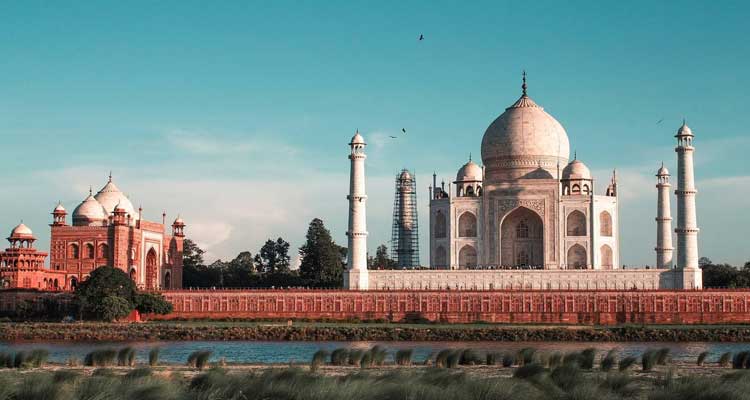
The Taj Mahal provides the architectural opening, accompanied by Agra Fort and the imperial history of the Mughal capital. From Agra, the road towards Rajasthan passes Fatehpur Sikri before continuing through Bharatpur. Rather than moving directly into another palace city, the itinerary heads towards Ranthambore National Park, where two nights create room for a proper wildlife experience and a scheduled safari in tiger habitat.
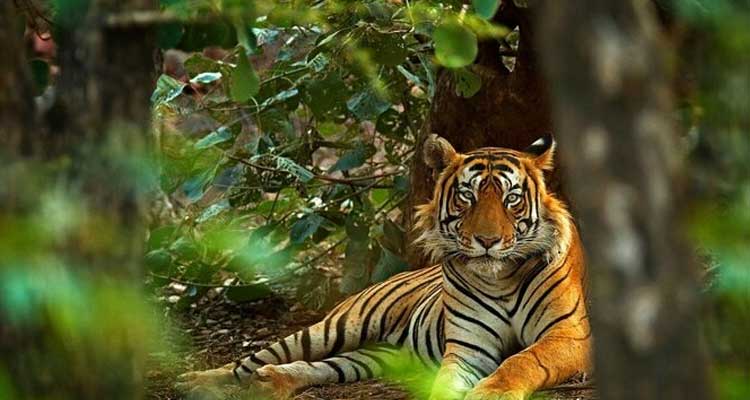
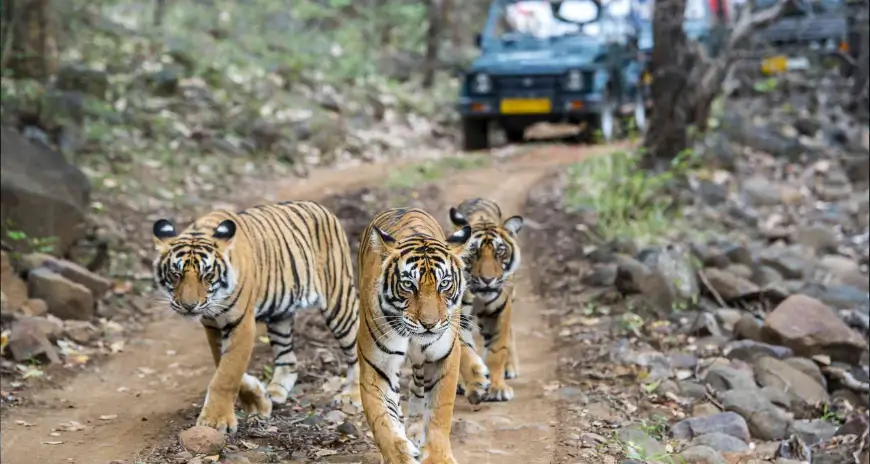
Ranthambore introduces a completely different Rajasthan. Dry forest, rocky ridges, lakes, grassland and historic ruins form a landscape inhabited by the Royal Bengal tiger along with deer, langurs, crocodiles, wild boar and numerous bird species. Tiger sightings are never guaranteed in a natural reserve, but the safari remains valuable because it reveals an ecological side of Rajasthan often missed by purely architectural tours.
The second half returns to royal history through Jaipur and Jodhpur. Jaipur presents the contrast between hilltop Amber and the later planned Pink City, while Jodhpur is defined by the extraordinary presence of Mehrangarh Fort above its blue-painted neighbourhoods. Both cities receive two nights, avoiding the rushed pace that can weaken longer Rajasthan itineraries.
The journey then crosses the Aravalli region via Ranakpur, where intricately carved Jain temples provide a striking change from military forts, before ending with two nights in Udaipur. City Palace, Lake Pichola, historic lanes and Mewar's hill-and-water setting create a softer final chapter after the rugged architecture of Marwar.
For travellers searching for a Rajasthan tour with Taj Mahal and Ranthambore tiger safari, these eleven days bring together several of northern India's strongest travel experiences without forcing unrelated destinations into the programme. Mughal monuments, wildlife, Rajput forts, Jain craftsmanship and lake-city heritage appear as distinct stages of one continuous private journey.
Arrive in Delhi, where you will be met and assisted with a private transfer to the hotel. The capital serves as the starting point for the journey, but the itinerary deliberately avoids forcing an extensive sightseeing programme into the arrival day. Flight schedules and travel fatigue vary considerably, so the first hours are kept flexible.
After check-in, spend the remainder of the day at leisure. Travellers arriving earlier may take a brief orientation through selected areas of Delhi, while later arrivals can rest at the hotel. The main purpose of this first night is to create a comfortable beginning before travelling south towards Agra.
The days ahead will shift repeatedly between very different environments: Mughal architecture, forest landscapes, planned royal cities, hill forts and the lakes of Mewar. A relaxed first evening gives the itinerary a more practical rhythm before these substantial sightseeing days begin.
Overnight stay in Delhi
After breakfast, leave Delhi by private vehicle and travel towards Agra. Once an important centre of the Mughal Empire, Agra contains a concentration of architecture associated with several emperors. On arrival, check into the hotel and take some time to refresh before beginning the city's heritage programme.
Visit Agra Fort, enclosed by massive red sandstone walls near the Yamuna River. Within these fortifications lie royal courtyards, audience spaces and residential sections developed under successive Mughal rulers. The fort demonstrates the political importance of Agra and provides essential historical context before the following morning's visit to the Taj Mahal.
Rather than crowding the afternoon with minor attractions, keep the remainder of the day at a comfortable pace. Depending on arrival timing and personal preference, there may be an opportunity to see the surrounding Mughal city or simply relax at the hotel. Reserving the Taj Mahal for the next morning allows the monument to be visited without the pressure of the Delhi–Agra transfer.
Overnight stay in Agra
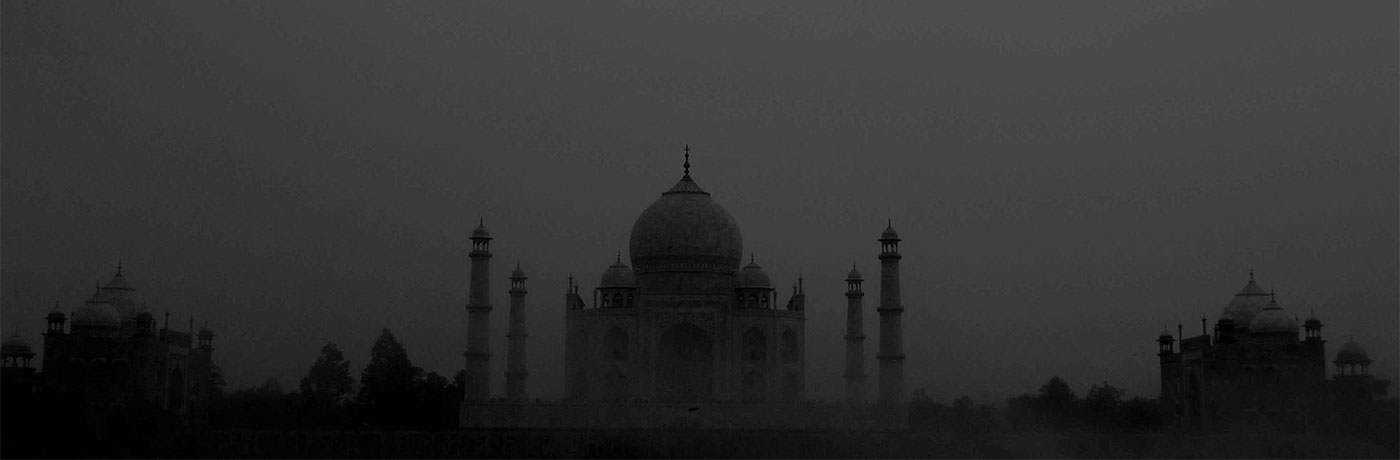
Begin the morning at the Taj Mahal, the white-marble mausoleum commissioned by Emperor Shah Jahan in memory of Mumtaz Mahal. Enter through the monumental gateway and walk into the formal garden for the classic view of the mausoleum. Time is allowed to appreciate not only its overall symmetry but also the detailed stone inlay, marble carving and calligraphic decoration visible at closer range.
Leave Agra and continue towards Fatehpur Sikri, the former imperial capital established during the reign of Emperor Akbar. Its red sandstone buildings include ceremonial courtyards, audience spaces, residential structures and religious architecture. The complex offers a fascinating comparison with Agra because it preserves the layout of an imperial centre rather than a single isolated monument.
Continue through the Bharatpur region on the way towards Ranthambore. Bharatpur forms an important geographical transition between the Mughal heritage section and Rajasthan's wildlife landscape. Proceed onward to Ranthambore, check into the hotel or wildlife lodge and settle in for a two-night stay. The evening can be used to rest and prepare for the national park safari.
Overnight stay in Ranthambore
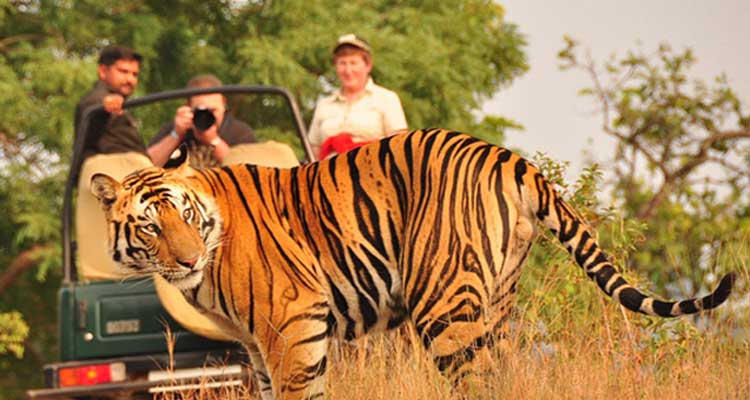
Rise according to the allocated safari schedule and enter Ranthambore National Park in the authorised safari vehicle. The reserve contains dry deciduous woodland, open grassland, lakes, rocky ridges and historic structures, creating an environment that feels completely removed from the architectural settings of Delhi and Agra.
The Royal Bengal tiger is the park's most sought-after animal, but the safari should not be approached with the expectation of a guaranteed sighting. Ranthambore is a natural habitat, and wildlife movements depend on numerous conditions. Sambar deer, spotted deer, wild boar, langurs, crocodiles and different bird species may also be encountered while travelling through the assigned forest zone.
After the safari, return to the lodge or hotel and spend time relaxing. Depending on the confirmed package and permit availability, an additional safari can be incorporated or arranged separately. Two nights have been allocated specifically so that the wildlife section has its own identity instead of being compressed between long road transfers.
Overnight stay in Ranthambore
After breakfast, leave Ranthambore and travel towards Jaipur. The day's journey moves from Rajasthan's wildlife landscape back into an urban royal setting. This contrast is one of the strengths of the itinerary: within a few hours, forest tracks and rocky hills give way to the broad streets and historic gateways of the state capital.
Arrive in Jaipur and check into the hotel for a two-night stay. After some time to refresh, head towards the historic centre for an introduction to the Pink City. Pause around Hawa Mahal, whose distinctive façade faces one of Jaipur's old commercial streets, before continuing through selected bazaars.
The market districts provide a useful first look at Jaipur beyond its palaces. Jewellery, gemstones, textiles, handicrafts and everyday commerce remain part of the city's historic identity. Keep the evening relatively relaxed because the principal fort and palace sightseeing is reserved for the following day.
Overnight stay in Jaipur
Travel after breakfast to Amber Fort, the former seat of the Kachwaha rulers before the establishment of Jaipur. The fort occupies a commanding hill setting and combines defensive structures with sophisticated palace architecture. Pass through its gateways and courtyards to see how public, ceremonial and private spaces were arranged within a fortified royal residence.
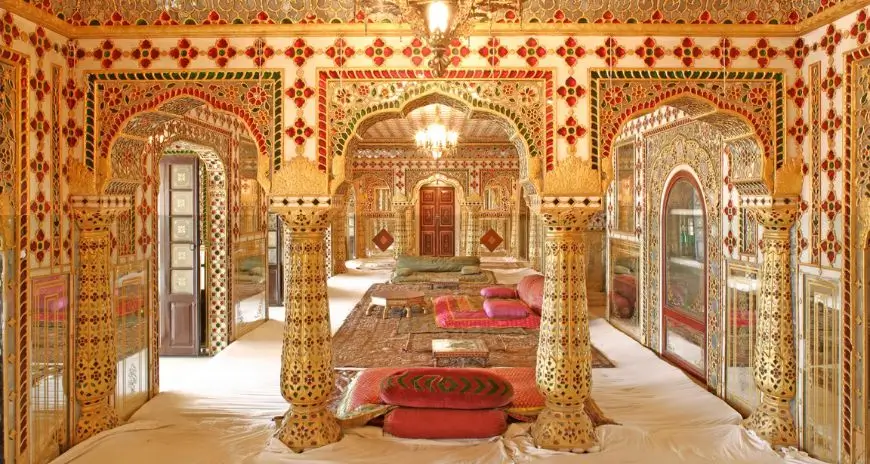
Spend time inside the principal palace areas, observing carved stonework, decorative chambers, balconies and views across Maota Lake. Return afterwards to central Jaipur and visit City Palace, where the architecture reflects the royal history of the later planned capital. Its courtyards and gateways offer a different atmosphere from Amber's hilltop setting.
Continue to Jantar Mantar, the monumental astronomical observatory associated with Maharaja Sawai Jai Singh II. The large geometric instruments demonstrate the scientific interests of Jaipur's founder and make the site quite unlike the forts and palaces elsewhere on the itinerary. Later, enjoy personal time in the old-city markets before returning to the hotel.
Overnight stay in Jaipur
Leave Jaipur after breakfast for the drive towards Jodhpur, travelling west into the historic region of Marwar. The road provides another opportunity to observe Rajasthan beyond its major monuments, passing smaller towns, agricultural areas and increasingly dry landscapes on the way to the Blue City.
On arrival, transfer to the hotel for a two-night stay. Rather than attempting the full Mehrangarh visit after the intercity journey, begin with a lighter introduction to Jodhpur. Head towards Clock Tower and Sardar Market, where the old city's commercial life unfolds beneath the distant walls of the fort.
Walk through selected streets and observe the blue-painted houses that give Jodhpur its famous nickname. From below, Mehrangarh's position on the rocky escarpment becomes particularly dramatic, preparing visitors for the detailed fort tour the following morning. Return to the hotel after a relaxed evening.
Overnight stay in Jodhpur
Begin the morning at Mehrangarh Fort, one of Rajasthan's most formidable royal strongholds. Its walls rise almost directly from the rock, dominating Jodhpur and the surrounding plains. Pass through successive fortified gateways before entering the interior palace areas associated with the Rathore rulers of Marwar.
The courtyards and former royal chambers reveal an unexpectedly refined side of the fortress. Carved windows, decorated interiors and museum collections stand behind the severe defensive exterior. From the elevated viewpoints, look across the dense Blue City, where old neighbourhoods spread beneath the fort in a striking pattern of blue and earth-toned buildings.
Continue to Jaswant Thada, the elegant marble memorial located near Mehrangarh. Spend the later part of the day according to personal interests, whether returning to the old markets, browsing handicrafts or relaxing at the hotel. The second night in Jodhpur keeps the day free from another lengthy road transfer.
Overnight stay in Jodhpur
After breakfast, leave Jodhpur and travel towards Ranakpur, entering a landscape that gradually becomes hillier and greener. The journey into the Aravalli region provides a noticeable geographical change after the dry surroundings of Marwar and introduces one of Rajasthan's finest examples of Jain religious architecture.
Visit the Ranakpur Jain Temple, celebrated for its intricate marble craftsmanship. The extensive interior contains numerous pillars, domes and carved surfaces arranged with remarkable precision. Changing natural light creates different visual effects across the marble, while the peaceful setting contrasts sharply with the military scale of Mehrangarh visited the previous day.
Continue through the hills towards Udaipur. On arrival, check into the hotel for a two-night stay and keep the evening free for a gentle introduction to the lakefront or leisure at the property. The main Mewar sightseeing programme begins the following morning, allowing the city to be appreciated after a night's rest.
Overnight stay in Udaipur
Begin at Udaipur City Palace, an extensive royal complex overlooking Lake Pichola. Successive rulers of Mewar added to the palace over generations, creating interconnected courtyards, gateways, chambers, balconies and terraces. The architecture is inseparable from its setting, with views across the water and surrounding hills forming part of the experience.
Continue through the historic quarter towards Jagdish Temple, an active religious site close to the palace. The surrounding streets contain traditional shops, workshops and old residences, making a walk through this part of Udaipur valuable even after the principal monument visits. The compact old city provides a very different atmosphere from Jaipur's broader planned streets.
Later, visit Saheliyon Ki Bari, whose gardens, fountains and pavilions create a peaceful contrast to the dense palace complex. Keep the evening open for the lake surroundings and personal leisure. After the wildlife, fort and road sections of the journey, Udaipur provides an appropriately relaxed final full day.
Overnight stay in Udaipur
Enjoy breakfast at the hotel and use the remaining time according to the confirmed departure schedule. A later connection may leave room for a final walk around the historic centre, some personal shopping or leisure at the hotel. No major compulsory sightseeing is placed on the departure morning, keeping the end of the journey comfortable.
At the appropriate time, transfer privately to Udaipur Airport, railway station or the confirmed onward point. Travellers continuing elsewhere in India can connect with their next programme, while guests ending their holiday can proceed with their scheduled departure.
Across eleven days, the itinerary has connected the Taj Mahal and Mughal architecture with Ranthambore's wildlife, Jaipur's royal capital, Jodhpur's Marwar stronghold, Ranakpur's marble temples and Udaipur's Mewar landscape. The combination makes the journey particularly suitable for travellers who want Rajasthan heritage and tiger safari experiences within one private tour.
09 Nights / 10 Days
Delhi - Agra - Ranthambore - Jaipur - Udaipur - Delhi