Your Travel Partner
SINCE 1989
Your Travel Partner
SINCE 1989
Jaipur – Jodhpur – Rohet – Ranakpur – Udaipur
Rajasthan's heritage becomes far more meaningful when grand royal monuments are experienced alongside smaller settlements and the landscapes that once connected former kingdoms. The Rajasthan Heritage Tour Package 8 Days has been structured around that idea, linking Jaipur and Jodhpur with Rohet, Ranakpur and Udaipur. The route combines major forts and palaces with religious architecture, historic streets and the quieter character of rural Marwar.
The first two nights are spent in Jaipur, where two stages of royal history can be seen within a single destination. Amber Fort represents the earlier hill-based seat of the Kachwaha rulers, while Jaipur itself was established as a carefully organised capital on the plains. City Palace, Jantar Mantar, Hawa Mahal and the traditional markets illustrate the architectural and commercial identity that developed within the later city.
From Jaipur, the itinerary moves west into Marwar for two nights in Jodhpur. Here Rajasthan's royal heritage takes on a more formidable appearance. Mehrangarh Fort rises almost directly from a rocky escarpment above the city, its immense defensive walls protecting palace courtyards and former royal chambers. Beneath the fortress, blue-painted neighbourhoods and busy markets reveal another side of Jodhpur's historical identity.
The journey then leaves Rajasthan's major cities for Rohet, giving this heritage itinerary an important change of pace. Smaller settlements around Marwar help place the monumental forts in a wider regional context. Agricultural landscapes, traditional communities and local architecture show that Rajasthan's history was shaped not only inside royal courts but also across villages and estates connected with them.
An overnight stay in Rohet allows travellers to experience this environment without immediately continuing to the next large city. Depending on the confirmed programme, local village-oriented activities can be arranged with suitable community sensitivity and without treating residents or their traditions as staged attractions.
The following journey towards Udaipur includes Ranakpur Jain Temple. Its intricately carved marble architecture provides one of the strongest contrasts of the tour. After Jaipur's palaces and Jodhpur's defensive stone fortifications, Ranakpur demonstrates a religious architectural tradition based on highly detailed pillars, domes and sculptural craftsmanship.
The final two nights are spent in Udaipur, where the geographical and architectural setting changes again. The former Mewar capital is surrounded by the Aravalli hills and closely associated with its lakes. City Palace rises above Lake Pichola, creating a royal landscape very different from the elevated fortress of Jodhpur.
Udaipur's historic quarter adds temples, traditional shops, narrow streets and craft traditions to the palace experience. Saheliyon Ki Bari and the lakefront provide quieter spaces within the itinerary, helping the journey finish at a more relaxed pace.
For travellers seeking an 8 days Rajasthan heritage tour, this route avoids trying to cover too many distant cities. Instead, Jaipur, Jodhpur and Udaipur receive sufficient time, while Rohet and Ranakpur add rural and religious dimensions between the major royal centres. The result is a journey through several layers of Rajasthan's heritage rather than simply a checklist of famous monuments.
Arrive in Jaipur at the airport, railway station or another confirmed arrival point. Meet the representative or private driver and transfer to the selected hotel. Two nights are scheduled in Jaipur, so the arrival day can remain comfortable even when travellers reach the city later in the day.
After check-in and some time to refresh, begin with a relaxed orientation through the historic walled city if the schedule permits. Jaipur differs from many older Rajasthan settlements because its streets were deliberately planned around organised residential, commercial and royal areas.
Head towards the Hawa Mahal area, where the distinctive façade rises above an active market street. Rather than standing apart from the city, Hawa Mahal remains closely integrated with the surrounding bazaars and historic urban environment.
Continue through selected traditional markets. Jaipur's long-established associations with jewellery, gemstones, textiles, block printing and handicrafts can still be seen across its commercial districts. Walking these streets provides useful context before visiting the larger royal monuments.
Return to the hotel after the introductory outing. The principal fort and palace sightseeing is reserved for the next morning so that the first day remains appropriately paced.
Overnight stay in Jaipur.
Begin the day at Amber Fort, located among the hills outside central Jaipur. Amber served as the earlier royal seat before the development of Jaipur, and its elevated setting demonstrates how defence and geography influenced the location of Rajasthan's former capitals.
Pass through the historic gateways and enter the main courtyards. The fort's architecture gradually moves from powerful defensive areas into increasingly refined palace spaces containing balconies, ornamental details and former ceremonial chambers.
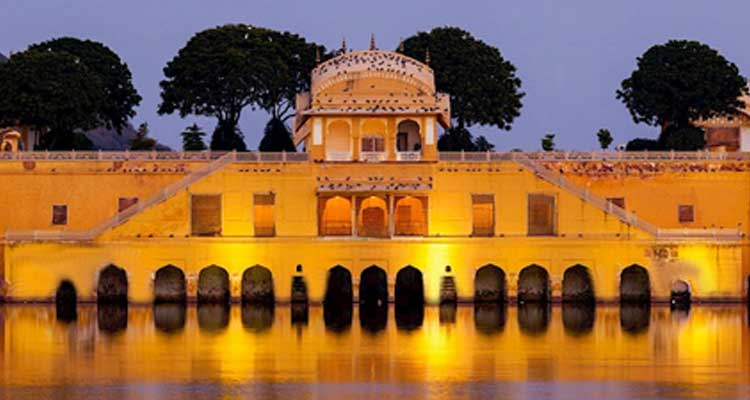
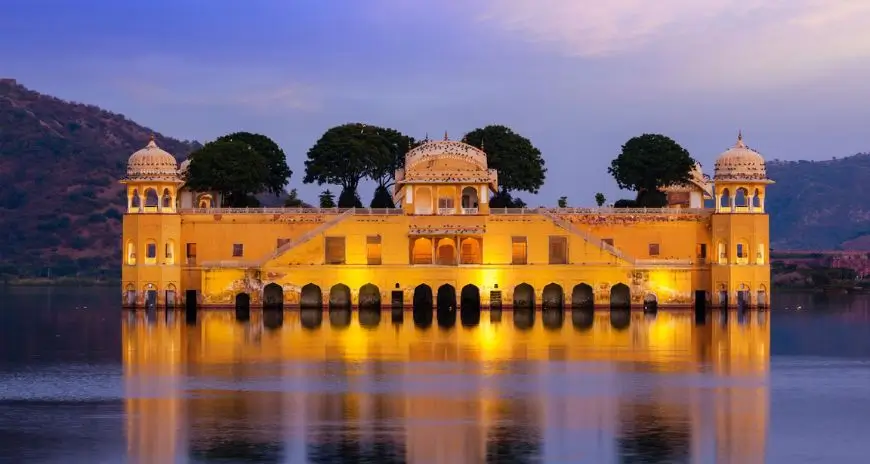
Return towards Jaipur and pause near Jal Mahal where local stopping conditions permit. The palace standing within Man Sagar Lake provides a visual contrast to the elevated fort architecture of Amber.
Continue to City Palace, situated within Jaipur's planned historic centre. Its courtyards and royal structures represent the later phase of the dynasty's history after the political centre shifted from Amber to Jaipur.
Walk to nearby Jantar Mantar to examine the monumental astronomical instruments associated with Maharaja Sawai Jai Singh II. Complete the day around Hawa Mahal or the old bazaars before returning to the hotel.
Overnight stay in Jaipur.
Leave Jaipur after breakfast and begin travelling west towards Jodhpur. The journey connects two important former royal capitals while gradually moving from eastern Rajasthan into the drier landscapes associated with Marwar.
On approaching Jodhpur, Mehrangarh Fort becomes visible above the city. Its enormous walls and rocky position create an immediate contrast with Jaipur's more formally planned urban landscape.
Check into the selected hotel for a two-night stay. After refreshing, begin with a gentle introduction to the old city rather than trying to complete the main fortress sightseeing immediately after the drive.
Visit the area around Clock Tower and Sardar Market, where traditional shops, spices, textiles and local commerce create a lively atmosphere. Walking through selected lanes also provides glimpses of the blue-painted houses associated with historic Jodhpur.
Return to the hotel in the evening. Mehrangarh Fort and the principal royal monuments are deliberately reserved for the following day.
Overnight stay in Jodhpur.
Begin the morning at Mehrangarh Fort, the dominant historical landmark of Jodhpur. Rising from a rocky escarpment, the fortress appears almost inseparable from the hill on which it was constructed.
Pass through the successive defensive gateways and continue into the palace areas. Behind the massive walls are courtyards, carved stone screens, balconies and former royal chambers that reveal the refined court life protected within the stronghold.
From the elevated sections, look across the historic Blue City neighbourhoods. The densely built settlement beneath Mehrangarh provides one of Rajasthan's most distinctive urban panoramas and illustrates the relationship between the fortress and the city it protected.
Continue to Jaswant Thada, the marble memorial situated near Mehrangarh. Its pale architecture and comparatively peaceful surroundings offer a striking visual contrast with the darker stone and immense scale of the fortress.
Spend the later afternoon exploring the old market areas or selected heritage streets. The second night in Jodhpur ensures the city receives proper time rather than functioning merely as a transfer stop.
Overnight stay in Jodhpur.
After breakfast, leave Jodhpur and make the comparatively shorter journey towards Rohet. This stage deliberately changes the rhythm of the itinerary by moving away from large royal monuments and into the smaller-scale landscape of rural Marwar.
Arrive in Rohet and check into the selected heritage accommodation or hotel. The surroundings provide an opportunity to appreciate Rajasthan beyond its famous urban centres, with village landscapes and traditional settlements offering a different perspective on the region.
Depending on the confirmed programme, spend time exploring appropriate local surroundings or participate in a responsibly organised village-oriented experience. Such visits should focus on respectful cultural understanding and avoid intrusive interaction with residents.
Observe how local architecture and settlement patterns respond to climate, available materials and traditional ways of life. The rural setting also provides useful context for understanding the wider territories that historically supported Rajasthan's princely centres.
Return to the accommodation and enjoy a quieter evening in Rohet. This overnight stay creates a deliberate pause between the monumental architecture of Jodhpur and the religious and royal heritage encountered over the final days.
Overnight stay in Rohet.
Leave Rohet after breakfast and travel towards the Aravalli hills. The landscape gradually becomes more undulating and greener as the journey moves away from the drier environment of Marwar.
Stop at the renowned Ranakpur Jain Temple. The complex is celebrated for its marble architecture and intricate treatment of pillars, ceilings and domed spaces, making it one of the most distinctive religious structures on this heritage route.
Walk through the permitted areas slowly enough to appreciate the craftsmanship. The visual effect is fundamentally different from Mehrangarh: instead of massive defensive walls, Ranakpur uses stone to create delicacy, repetition and richly detailed sacred interiors.
The temple remains an active religious complex, so visitors should follow current regulations regarding footwear, clothing, photography and restricted belongings. Access to particular areas may vary according to religious requirements and official timings.
Continue afterwards to Udaipur and check into the selected hotel for a two-night stay. Spend the evening at leisure or enjoy a relaxed walk around an appropriate lakefront area.
Overnight stay in Udaipur.
Begin with Udaipur City Palace, whose position above Lake Pichola creates one of Rajasthan's most distinctive royal settings. The palace was developed over successive generations and contains interconnected courtyards, gateways, terraces and former royal rooms.
Explore the accessible sections while observing ornamental windows, balconies, stonework and interior details. From the elevated palace areas, views extend across the lake, historic neighbourhoods and surrounding Aravalli hills.
Continue to Jagdish Temple, located within the old city near the palace. The surrounding streets reveal traditional buildings, local shops and craft businesses, providing a closer look at the urban heritage beyond the royal complex.
Later, visit Saheliyon Ki Bari, whose fountains, gardens and pavilions provide a quieter historical environment. The landscaped setting creates another contrast with the fortifications and rural landscapes experienced earlier in the tour.
Spend the evening around Lake Pichola or another suitable waterfront area. Optional boating can be arranged separately subject to local operating conditions and confirmed package inclusions.
Overnight stay in Udaipur.
Enjoy breakfast at the hotel and use the final morning according to the confirmed departure time. Travellers leaving later in the day may have time to revisit the old quarter, browse local handicrafts or spend additional time beside the lakes.
The eight-day journey has connected three major former royal centres with smaller and more specialised heritage environments. Jaipur introduced the relationship between Amber's hill fort and the later planned Pink City, combining royal, scientific and commercial heritage.
Jodhpur shifted the architectural character towards the immense defensive presence of Mehrangarh and the historic Blue City below it. Rohet then moved the focus away from royal capitals, providing a quieter perspective on the landscapes and communities of Marwar.
Ranakpur introduced Jain religious architecture through intricate marble craftsmanship before the route entered Mewar. Udaipur completed the journey with City Palace, temples, historic streets and a landscape where lakes and hills are inseparable from the city's royal identity.
Check out from the hotel and transfer to Udaipur Airport, railway station or another confirmed departure point, completing the Rajasthan Heritage Tour Package 8 Days – Forts, Havelis & Palaces.
09 Nights / 10 Days
Jaipur - Bikaner - Jaisalmer - Jodhpur - Mount Abu - Udaipur
09 Nights / 10 Days
Delhi – Samode – Jaipur – Jodhpur – Narlai – Ranakpur – Udaipur
13 Nights / 14 Days
Delhi - Mandawa - Bikaner - Jaisalmer - Jodhpur - Udaipur - Jaipur - Agra