Your Travel Partner
SINCE 1989
Your Travel Partner
SINCE 1989
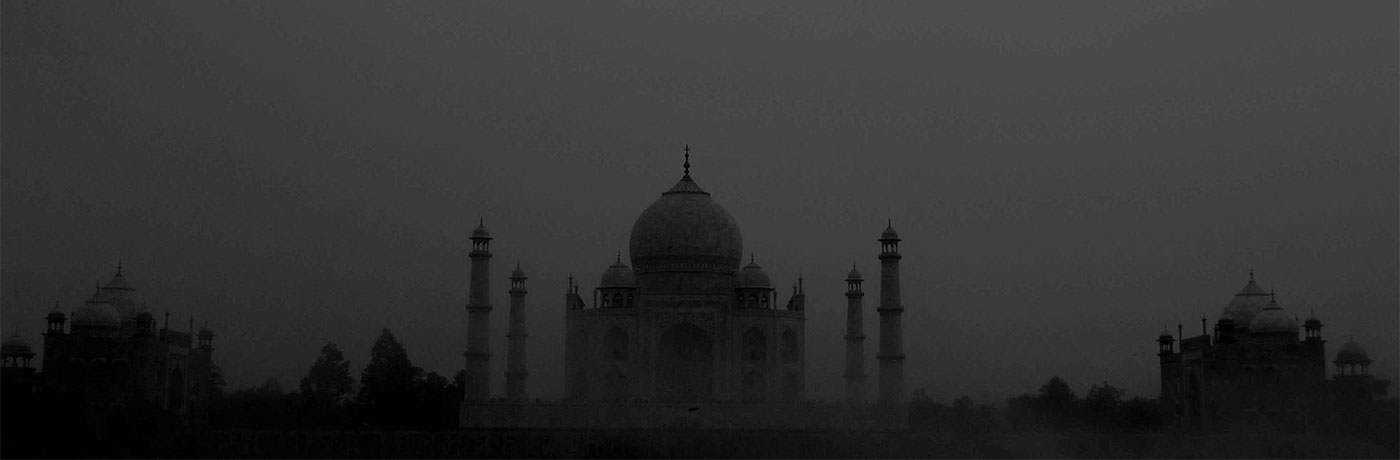
Delhi – Agra – Fatehpur Sikri – Jaipur – Pushkar – Jodhpur – Ranakpur – Udaipur – Cochin – Munnar – Thekkady (Periyar) – Kumarakom – Alleppey Houseboat – Kovalam – Kanyakumari – Trivandrum
North and South India reveal dramatically different landscapes, architectural traditions and rhythms of travel, and this Rajasthan Tour with Kerala Packages 23 Days brings those contrasts together within one extensive private holiday. The first half moves through Mughal and Rajput heritage across Delhi, Agra and Rajasthan, while the second half enters Kerala's tropical south, where hill country, spice-growing regions, backwaters and the Arabian Sea replace forts and semi-arid landscapes.
The journey begins in Delhi before travelling to Agra for the Taj Mahal. From there, Fatehpur Sikri forms a historical bridge towards Rajasthan, where Jaipur introduces hill forts, planned royal architecture and colourful traditional markets. Pushkar then changes the atmosphere completely with its sacred lake, temple traditions and compact pilgrimage quarter.
Moving west, the route reaches Jodhpur, where Mehrangarh Fort towers above the Blue City. The journey continues through the Aravalli region, with Ranakpur Jain Temple providing an important architectural stop before Udaipur. Three nights in the City of Lakes give this Rajasthan section a slower ending, allowing time for palaces, historic streets and the lakefront rather than treating Udaipur as another short overnight destination.
The second half begins in Cochin, where maritime trade, colonial influences and Kerala's coastal culture create an immediate contrast with Rajasthan. The road then climbs into Munnar, replacing dry northern landscapes with tea-covered hills, misty valleys and the cooler environment of the Western Ghats.
From Munnar, the itinerary continues towards Thekkady and Periyar, a region associated with forests, spice cultivation and wildlife. Two nights here provide time to appreciate the environment before travelling to Kumarakom, where the pace becomes quieter and Kerala's network of lakes, canals and waterways takes centre stage.
A dedicated Alleppey houseboat stay forms one of the defining experiences of the southern section. Rather than seeing Kerala's backwaters only from the road, travellers spend a night on the waterways, passing village landscapes, coconut palms and waterside communities according to the confirmed cruising programme.
The final three nights are based in Kovalam, providing a relaxed coastal stage after an itinerary rich in road journeys and cultural sightseeing. A visit towards Kanyakumari introduces the southern tip of mainland India before the route concludes at Trivandrum.
The strength of this 23-day Rajasthan and Kerala tour is not simply the number of destinations included. Its appeal comes from the contrasts between them: the Taj Mahal and Rajput forts, desert-edge cities and tropical hills, Jain marble carving and Kerala's waterways, Udaipur's lakes and the Arabian Sea. Travellers looking for a comprehensive private India holiday can experience two very different regions without reducing either one to a token extension.
Arrive in Delhi, where you will be met at the airport or confirmed arrival point and transferred privately to the selected hotel. Delhi is more than a convenient gateway for the tour; it provides the first glimpse of the historical layers that will define the northern section of the journey. Mughal neighbourhoods, later colonial planning and modern metropolitan districts exist within the same enormous capital.
After completing hotel check-in, take time to rest following the journey. A twenty-three-day itinerary does not need to begin with an exhausting sightseeing schedule immediately after an international arrival. Keeping the first few hours flexible also allows the programme to accommodate different flight timings without sacrificing an essential monument.
For travellers arriving sufficiently early, a short orientation through selected parts of Delhi can introduce the contrast between the capital's historic and modern districts. Broad avenues and administrative areas differ sharply from the denser traditional quarters, providing an early indication of India's varied urban history.
Spend the evening at leisure and prepare for the road journey to Agra the following morning. More extensive sightseeing is intentionally avoided because this itinerary is built around a long sequence of destinations extending from North India all the way to Kerala.
Overnight stay in Delhi.
Leave Delhi after breakfast and travel privately towards Agra, the former Mughal centre that contains some of India's most celebrated architecture. On arrival, check into the hotel and take time to refresh before beginning the principal sightseeing.
Visit the Taj Mahal, commissioned by Emperor Shah Jahan in memory of Mumtaz Mahal. Its white marble mausoleum, monumental gateway, formal gardens and carefully balanced surrounding structures create an architectural composition whose impact depends as much on proportion and planning as on decoration.
Walk through the complex slowly enough to notice its finer details. Marble inlay, calligraphic panels, carved surfaces and precise symmetry demonstrate the extraordinary craftsmanship involved in its construction. Changes in natural light can also alter the appearance of the marble, giving the monument a subtly different character at different times of day.
Depending on available time and the confirmed programme, the Agra stay may also provide an opportunity to understand the city's wider Mughal heritage. The itinerary avoids crowding the day with unrelated attractions, allowing the Taj Mahal to remain the central experience after the transfer from Delhi.
Return to the hotel and enjoy the evening at leisure. The following day's route continues towards Rajasthan with a major historical stop at Fatehpur Sikri.
Overnight stay in Agra
After breakfast, leave Agra and travel towards Fatehpur Sikri, the former imperial capital associated with Mughal Emperor Akbar. Constructed largely in red sandstone, the complex contains ceremonial courtyards, gateways, audience areas and residential structures that reveal a different architectural character from the white marble elegance of the Taj Mahal.
Walk through the principal accessible sections while learning how the city was planned around imperial, administrative and private functions. Architectural details show the interaction of several design traditions, making Fatehpur Sikri one of the most valuable stops for understanding Mughal architecture beyond Agra.
Continue afterwards towards Jaipur. Crossing into Rajasthan introduces a new architectural and cultural stage of the itinerary, shifting from Mughal imperial centres towards the historic kingdoms of the Rajputs. The road journey also provides an opportunity to observe smaller towns and rural landscapes between the two major tourist cities.
Arrive in Jaipur and transfer to the selected hotel for a two-night stay. After check-in, the evening can remain free or include a gentle orientation through the Pink City depending on arrival time. The main monuments are deliberately reserved for the following day.
Enjoy the evening at leisure after the road journey. Keeping Jaipur for two nights means Amber Fort and the historic city can be explored as a coherent programme rather than squeezed into the transfer day.
Overnight stay in Jaipur
Begin the morning at Amber Fort, the former royal seat situated among the Aravalli hills outside Jaipur. Its defensive walls, elevated palace complex and position above Maota Lake provide a dramatic introduction to Rajput architecture after the Mughal monuments visited during the previous days.
Enter through the fort's gateways and continue across its principal courtyards. The architecture gradually moves from strong defensive spaces into more elaborate royal areas containing decorated chambers, balconies and ornamental surfaces. This combination demonstrates how Amber served both as a fortress and as a sophisticated royal residence.
Return towards Jaipur, pausing near Jal Mahal for an exterior view where local traffic and stopping conditions permit. Continue into the historic walled city for City Palace, where royal life developed within a planned urban capital rather than behind an isolated hill fortress.
Visit nearby Jantar Mantar, whose monumental astronomical instruments reflect the scientific interests of Jaipur's founder, Maharaja Sawai Jai Singh II. Afterwards, spend time around Hawa Mahal, whose distinctive façade forms one of the defining architectural images of the Pink City.
The surrounding bazaars provide a final dimension to the day. Jaipur remains strongly associated with gemstones, jewellery, textiles, block printing and handicrafts, and travellers can browse according to personal interest. Return to the hotel after the sightseeing.
Overnight stay in Jaipur
Leave Jaipur after breakfast and travel towards Pushkar, moving from Rajasthan's busy capital into one of the state's most distinctive pilgrimage towns. The journey is comparatively short, allowing the day to focus on Pushkar itself rather than spending most of the available time on the road.
After arrival and hotel check-in, proceed towards Pushkar Lake. The sacred water body forms the geographical and spiritual centre of the town, with numerous ghats descending towards the lake. Religious ceremonies and personal worship may be taking place, so visitors should behave respectfully and observe restrictions relating to footwear and photography.
Continue to the renowned Brahma Temple, subject to local opening hours and access rules. Pushkar's close association with Lord Brahma gives the temple particular importance within the town's pilgrimage traditions. As with all active places of worship, the visit should respect temple procedures rather than treating the site purely as a tourist attraction.
Later, walk through the compact market streets surrounding the pilgrimage quarter. Small shops selling textiles, handicrafts, religious objects and local products create a lively atmosphere between the temples and ghats. The town's relatively small scale makes exploring on foot especially rewarding.
Return to the hotel after spending time around the lake area. The overnight stay allows Pushkar to be experienced beyond the busiest daytime hours and creates a quieter transition before the route moves west towards Jodhpur.
Overnight stay in Pushkar
After breakfast, leave Pushkar and begin the drive towards Jodhpur. The road moves west into the historic Marwar region, where the landscape becomes progressively drier and the architectural character changes again. This geographical progression is one of the strengths of travelling Rajasthan by private road vehicle.
Arrive in Jodhpur and check into the selected hotel for a two-night stay. Rather than beginning immediately with the city's largest monument after the road journey, take some time to settle in and refresh. The major fort sightseeing is reserved for the following morning.
Later, head towards the old city around Clock Tower and Sardar Market. The area provides a lively introduction to Jodhpur through traditional shops, spice sellers, textiles and narrow commercial streets. It also places visitors directly beneath the immense rocky elevation on which Mehrangarh Fort stands.
Spend time exploring the market area according to personal interest. Jodhpur has strong traditions of handicrafts and textiles, but browsing remains optional and should not replace meaningful sightseeing. The first evening is intended primarily as an introduction to the city's atmosphere.
Return to the hotel and enjoy the remainder of the evening at leisure.
Overnight stay in Jodhpur
Begin at Mehrangarh Fort, one of the most imposing strongholds in Rajasthan. Rising directly from a rocky escarpment, the fort dominates the surrounding city and provides an immediate demonstration of the military power once associated with the rulers of Marwar.
Pass through the fortified gateways and explore the courtyards and palace sections within. Massive exterior walls protect interiors containing delicate stonework, ornamental windows, royal chambers and ceremonial spaces. This contrast between defensive architecture and refined courtly design is one of the fort's most memorable features.
From the elevated viewpoints, look across Jodhpur's Blue City. Dense clusters of traditional buildings extend beneath the fortress, and the blue-painted houses create the visual identity for which the old neighbourhoods are known. The height of Mehrangarh provides the best perspective on the relationship between fort and city.
Continue to Jaswant Thada, a marble memorial situated near the fort. Its lighter architecture and quieter setting provide a change from Mehrangarh's monumental scale. Take time to appreciate the surroundings before returning towards the old city.
Spend the later part of the day according to individual interests, perhaps revisiting the traditional market district or enjoying time at the hotel. With two nights allocated to Jodhpur, the city's heritage can be explored without immediately continuing to the next destination.
Overnight stay in Jodhpur
Leave Jodhpur after breakfast and travel towards Ranakpur, gradually moving from the dry landscapes of Marwar into the more varied terrain of the Aravalli region. Today's road journey is not simply a transfer between two cities; Ranakpur provides one of the most architecturally distinctive religious stops in Rajasthan.
Visit the renowned Ranakpur Jain Temple, celebrated for its elaborate marble construction. Numerous carved pillars, ceilings and domes create an exceptionally detailed interior in which changing natural light reveals different aspects of the craftsmanship. The temple offers a strong contrast with the military architecture of Mehrangarh visited the previous day.
As Ranakpur remains an active religious complex, follow local regulations regarding dress, photography, footwear and permitted belongings. Taking time to observe the temple respectfully allows visitors to appreciate both its architectural significance and its continuing spiritual function.
Continue through the Aravalli landscape towards Udaipur. The scenery becomes greener and more undulating, signalling another significant geographical change within Rajasthan. Udaipur's lakes and surrounding hills create a markedly different environment from Jodhpur and the drier western regions.
Arrive in Udaipur and check into the selected hotel for a three-night stay. Keep the evening free for rest or a gentle introduction to the lakefront according to arrival time. The longer stay ensures that Udaipur can be enjoyed at a slower pace before the tour makes its major transition from Rajasthan to Kerala.
Overnight stay in Udaipur
Begin the day at Udaipur City Palace, the vast royal complex rising above Lake Pichola. Built and expanded by successive rulers of Mewar, the palace is composed of interconnected courtyards, gateways, balconies, terraces and former royal chambers. Its elevated position allows architecture and landscape to become part of the same experience, with views extending across the lake and towards the Aravalli hills.
Move through the principal accessible sections while observing the decorative work, narrow passages and changing levels within the complex. Udaipur's palace architecture feels noticeably different from the powerful hill forts of Jaipur and Jodhpur. Here, defensive elements are combined with lake views, ornamental spaces and a more intimate arrangement of royal residences.
Continue towards Jagdish Temple, located close to the palace in the historic quarter. The surrounding streets are among the most atmospheric parts of Udaipur, with traditional buildings, small shops, cafés and craft businesses occupying the lanes between the temple and lakefront. The area is best appreciated at a slower walking pace where practical.
Later, visit Saheliyon Ki Bari, a historic garden known for fountains, pavilions and landscaped spaces. Its quieter setting provides a change from the architectural density of City Palace and the old city. The garden also demonstrates another aspect of Udaipur's relationship with water, which has shaped the character of the city for generations.
Spend the evening around the lakefront or return to the hotel according to preference. With another full night and day remaining in Udaipur, there is no need to force every possible attraction into a single sightseeing programme.
Overnight stay in Udaipur
The third day in Udaipur is deliberately less structured, creating a pause before the itinerary leaves Rajasthan and moves to South India. After more than a week of road travel and monument visits, a flexible day gives travellers an opportunity to experience the city without following a fixed sightseeing sequence from morning until evening.
Those interested in local craftsmanship can spend time around Udaipur's traditional shopping areas, where miniature paintings, textiles, decorative objects and other regional handicrafts are available. Travellers more interested in architecture can return to the older quarters and explore smaller streets that may have been passed quickly during the previous day's programme.
Time can also be spent near Lake Pichola, where the appearance of the city changes throughout the day as light moves across the surrounding palaces, hills and waterfront buildings. Optional boating may be considered according to operating conditions and personal preference, but it should only be treated as part of the package when specifically confirmed.
Keeping this day flexible is particularly useful on a long Rajasthan and Kerala tour. Travellers can rest at the hotel, enjoy a leisurely meal or select additional local sightseeing without affecting the essential route. It also provides time to reorganise luggage before the significant geographical transition to Kerala.
Return to the hotel for the final Rajasthan evening. The next stage replaces forts, palaces and semi-arid landscapes with Kerala's coastal climate, tropical vegetation and maritime heritage.
Overnight stay in Udaipur
After breakfast, check out from the Udaipur hotel and transfer according to the confirmed arrangements for the onward journey to Cochin (Kochi). This is the major transition point of the entire itinerary, connecting two regions of India with dramatically different landscapes, climates, cuisines and architectural histories.
The Udaipur–Cochin sector should be organised by the transport connection stated in the final booking. Any flight or other ticketed journey must be considered included only when specifically mentioned in the confirmed quotation. On arrival in Cochin, meet the local representative or driver and transfer to the selected hotel.
The visual difference from Rajasthan becomes apparent almost immediately. Tropical vegetation, coastal humidity and Kerala's distinctive urban landscape replace the dry plains and fortified cities of the north. Cochin's historical importance developed through maritime commerce and long-standing connections with traders and communities from different parts of the world.
Depending on arrival time, the remainder of the day can be kept free or used for a gentle orientation around the local area. The main Cochin sightseeing is reserved for the following day, ensuring that flight or connection timings do not result in rushed heritage visits.
Settle into the hotel and enjoy the first evening in South India.
Overnight stay in Cochin
After breakfast, begin exploring Cochin, focusing on the historic areas that reflect its long relationship with maritime trade. Fort Kochi developed through interactions between local rulers, overseas merchants and European colonial powers, leaving an architectural and cultural character unlike any destination visited during the Rajasthan section.
Walk through Fort Kochi, where older streets, colonial-era buildings and the waterfront preserve traces of the city's trading past. The atmosphere is particularly suitable for exploration on foot, allowing time to observe smaller architectural details and neighbourhood character instead of moving only between major landmarks by vehicle.
Visit selected historic sites in the Fort Kochi and Mattancherry areas according to opening schedules and the confirmed programme. The region is associated with churches, trading communities, old commercial quarters and buildings influenced by several periods of overseas contact.
Spend time around the waterfront, where the well-known Chinese fishing nets form part of Cochin's coastal identity. Their large cantilevered structures are closely associated with the city's harbour landscape and provide a strong visual contrast with the forts and palaces encountered in North India.
Return to the hotel after sightseeing. The following day leaves the coast and climbs towards the Western Ghats, where tea plantations and cooler mountain landscapes introduce another completely different side of Kerala.
Overnight stay in Cochin
Leave Cochin after breakfast and begin the scenic road journey towards Munnar. As the route moves inland and gains elevation, dense urban surroundings gradually give way to tropical vegetation, hills and plantation landscapes. The changing scenery is one of the defining features of this transfer.
Continue through winding roads towards the higher elevations of the Western Ghats. Depending on seasonal conditions and the chosen route, waterfalls, forested slopes and plantation areas may be visible along the journey. Suitable stops can be made where safe and practical without turning the transfer into an unrealistic sequence of attractions.
Approaching Munnar, extensive tea plantations begin to cover the hills in carefully patterned green terraces. The combination of elevation, cooler temperatures and plantation scenery gives Munnar a character completely removed from both coastal Cochin and the Rajasthan cities visited during the first half of the holiday.
On arrival, check into the selected hotel or resort and take time to enjoy the surroundings. No demanding sightseeing is required immediately after the hill drive, allowing travellers to settle comfortably into the destination.
Spend the evening at leisure amid Munnar's cooler hill-country environment.
Overnight stay in Munnar
Begin the morning surrounded by the rolling landscapes that make Munnar one of Kerala's best-known hill destinations. The day's programme focuses less on monumental architecture and more on scenery, plantation heritage and viewpoints across the Western Ghats.
Travel through areas surrounded by tea estates, where carefully cultivated slopes create the distinctive appearance of the region. Tea production has played an important role in Munnar's modern history, and the plantation landscape provides an opportunity to understand a very different economic and cultural environment from Rajasthan's historic merchant and royal centres.
Visit selected viewpoints and natural areas according to local conditions, weather and the final sightseeing programme. Mountain visibility can vary, particularly during periods of cloud or rain, so the day should remain flexible rather than depending on one specific panoramic view.
Where included in the confirmed itinerary, time may also be allocated to learning about tea processing or plantation history. Any individual attraction remains subject to its operating schedule and applicable entry rules. The emphasis remains on appreciating Munnar's landscape rather than rushing between numerous minor stops.
Return to the hotel after the day's outing and enjoy another evening in the hill country.
Overnight stay in Munnar
After breakfast, leave Munnar and travel towards Thekkady, another important destination within Kerala's highland region. The road passes through changing plantation landscapes, with areas associated with spices and other crops appearing as the journey approaches the Periyar region.
On arrival, check into the selected hotel for a two-night stay. Thekkady is widely associated with Periyar and the surrounding forest environment, but it is equally connected with Kerala's spice-growing traditions. This combination of natural landscape and cultivation gives the destination a distinctive character.
Depending on arrival time, spend the afternoon on a local orientation or visit a spice-related attraction where specifically included. Cardamom, pepper and other spices have played an important role in Kerala's trade history, connecting the highland region with the maritime networks introduced earlier in Cochin.
The evening remains relatively relaxed after the winding road journey from Munnar. Optional cultural programmes, plantation visits or other local activities can be arranged according to interest and the confirmed package rather than being assumed as automatic inclusions.
Return to the hotel and prepare for the following day's Periyar-focused programme.
Overnight stay in Thekkad
Spend the day around Thekkady and Periyar, where the environment is defined by forested hills, waterways and wildlife habitat. The exact programme should follow the activities confirmed in advance, as access, operating schedules and availability can vary.
A visit connected with Periyar offers an opportunity to appreciate Kerala's natural environment after several days among tea and spice plantations. Wildlife may be present in the wider landscape, but sightings should never be guaranteed. Natural movement, weather and the specific activity undertaken all influence what visitors may observe.
Depending on the confirmed arrangements, travellers may choose from authorised local nature-based experiences. Activities requiring separate tickets, permits or advance reservations should only be considered included when clearly stated in the final quotation.
The later part of the day can be used to learn more about the area's spice heritage or simply enjoy the resort surroundings. On a long itinerary, maintaining some unhurried time is important, particularly before moving into Kerala's slower backwater region.
Spend the second night in Thekkady, completing the hill and forest section before descending towards Kumarakom.
Overnight stay in Thekkady
Leave Thekkady after breakfast and begin the journey towards Kumarakom. The road gradually descends from the highlands, and the landscape changes once again as plantation country gives way to lower-lying areas characterised by coconut palms, waterways and lush vegetation.
Arrive in Kumarakom and check into the selected hotel or resort for a two-night stay. Situated beside the wider backwater environment, Kumarakom offers a slower rhythm than the sightseeing-heavy destinations earlier in the journey.
Use the afternoon to become familiar with the waterside setting. The appeal of Kumarakom lies largely in its atmosphere: canals, lake views, tropical vegetation and local life associated with the waterways. The destination does not need an overloaded sightseeing checklist to justify the stay.
Depending on the selected property, travellers may simply enjoy the resort environment or take part in optional activities available locally. Any boating, wellness treatment or special experience should be included only when specifically confirmed in the package.
As evening approaches, enjoy the quieter backwater surroundings.
Overnight stay in Kumarakom
The second day in Kumarakom is intentionally unhurried. After breakfast, travellers can spend time enjoying the waterside environment and observing a side of Kerala where daily life remains closely connected with canals, lakes and small boats.
Those interested in nature may use the day for an appropriate local outing according to seasonal conditions and confirmed arrangements. Others may prefer to remain at the resort, making this a genuine rest day after the long sequence from Delhi through Rajasthan and the Kerala highlands.
The surrounding landscape provides opportunities to observe coconut groves, water channels and settlements positioned along the backwaters. Even without a formal excursion, the contrast with Rajasthan remains remarkable: dry forts and sandstone cities have been replaced by abundant vegetation and interconnected waterways.
This slower day also prepares travellers for the following night's Alleppey houseboat experience. Rather than treating Kumarakom and Alleppey as interchangeable destinations, the itinerary uses Kumarakom for a stationary backwater stay before moving onto the waterways themselves.
Enjoy the second evening at the resort.
Overnight stay in Kumarakom
After breakfast, leave Kumarakom and travel towards the designated embarkation point for the Alleppey houseboat. Complete the boarding formalities according to the confirmed cruise schedule and settle into the allocated cabin before the vessel begins travelling through the backwater network.
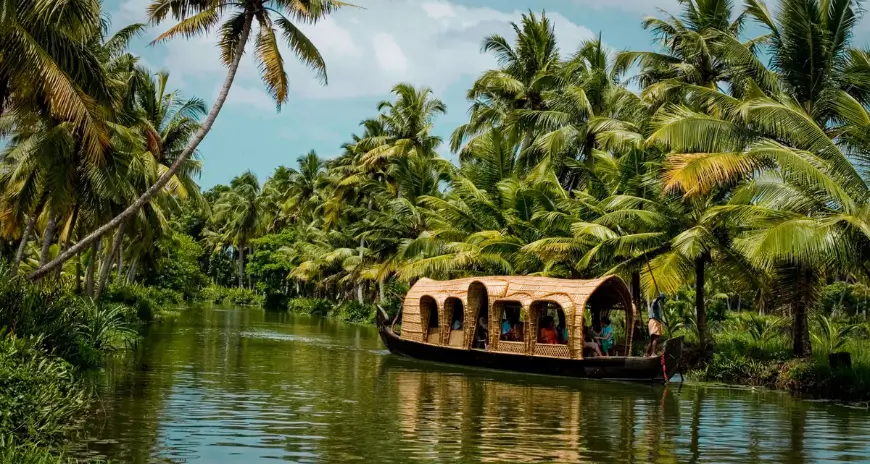
As the houseboat moves through the waterways, observe a landscape shaped by canals, palms, villages and waterside homes. The experience provides a perspective that cannot be gained entirely from road travel because many aspects of local life are oriented towards the water.
The cruising route and duration depend on operational conditions and the houseboat programme. Rather than promising specific villages or canals, the itinerary allows the operator to follow the appropriate navigable route while guests enjoy the changing scenery.
Meals provided on board should follow the confirmed houseboat meal plan. Spend time on the deck watching daily activity along the banks and enjoying the slower movement through Kerala's backwater landscape.
As evening approaches, the houseboat will follow the operator's overnight arrangements and applicable navigation rules. Overnight stay on the Alleppey houseboat.
After breakfast, leave Kumarakom and travel towards the designated embarkation point for the Alleppey houseboat. Complete the boarding formalities according to the confirmed cruise schedule and settle into the allocated cabin before the vessel begins travelling through the backwater network.
As the houseboat moves through the waterways, observe a landscape shaped by canals, palms, villages and waterside homes. The experience provides a perspective that cannot be gained entirely from road travel because many aspects of local life are oriented towards the water.
The cruising route and duration depend on operational conditions and the houseboat programme. Rather than promising specific villages or canals, the itinerary allows the operator to follow the appropriate navigable route while guests enjoy the changing scenery.
Meals provided on board should follow the confirmed houseboat meal plan. Spend time on the deck watching daily activity along the banks and enjoying the slower movement through Kerala's backwater landscape.
As evening approaches, the houseboat will follow the operator's overnight arrangements and applicable navigation rules.
Overnight stay on the Alleppey houseboat
After breakfast on board, complete the final section of the houseboat programme and disembark according to the scheduled time. Meet the driver and continue south towards Kovalam, moving from Kerala's inland waterways towards its Arabian Sea coastline.
The journey introduces yet another landscape within Kerala. Coconut-lined roads and tropical settlements accompany much of the route before the coastal environment becomes more apparent approaching Kovalam.
On arrival, check into the selected hotel or beach resort for a three-night stay. This longer stay is positioned intentionally at the end of the tour, giving travellers time to slow down after nearly three weeks of frequent cultural sightseeing and intercity travel.
The remainder of the day is free to become familiar with the surroundings. Walk near the coast, enjoy the resort facilities or simply rest after the journey from Alleppey. No intensive sightseeing is required.
Spend the evening at leisure near the Arabian Sea.
Overnight stay in Kovalam
Enjoy a relaxed morning in Kovalam. Unlike the fort cities of Rajasthan or plantation hills of Munnar, the destination is included primarily to provide time beside the coast. Travellers can therefore decide how active or restful they want the day to be.
Spend time around the beach area according to weather and sea conditions. Swimming or water-based activities should always follow local safety advice, and no particular activity is assumed to be included unless specifically mentioned in the confirmed booking.
Travellers interested in the surrounding area may arrange a local outing, while those seeking rest can remain at the hotel or resort. The flexibility is particularly valuable at this stage of a long India journey, allowing the final days to feel different from the monument-focused beginning.
The coastal setting also provides a final major geographical contrast within the tour. The journey has moved from North India's plains and Rajasthan's semi-arid regions through the Western Ghats, Kerala backwaters and finally to the Arabian Sea.
Enjoy the evening at leisure.
Overnight stay in Kovalam
After breakfast, depart on a road journey towards Kanyakumari, located at the southern end of mainland India. The excursion extends the route beyond Kerala into Tamil Nadu and adds a geographical finale to a tour that began far to the north in Delhi.
On arrival, spend time around the coastal area and selected landmarks according to the confirmed sightseeing schedule. Kanyakumari is widely recognised for its location at the meeting region of surrounding seas and for the cultural and religious importance attached to the town.
The coastal setting differs from Kovalam, and the journey itself provides an opportunity to observe towns and landscapes in India's far south. Any specific monument, ferry service or offshore visit remains subject to local operating conditions, weather and ticket availability.
After completing the scheduled visit, begin the return journey towards Kovalam. Since this is a substantial day excursion, the programme avoids adding unnecessary activities after returning to the hotel.
Enjoy the final night near the Kerala coast and prepare for departure the following day.
Overnight stay in Kovalam
After breakfast, check out from the hotel according to the confirmed departure schedule. Meet the driver for the transfer from Kovalam to Trivandrum Airport or another confirmed departure point, allowing sufficient time for traffic and airline check-in requirements.
The completed journey has connected two of India's most contrasting travel regions within one extended itinerary. Delhi and Agra introduced Mughal history, while Jaipur, Pushkar, Jodhpur, Ranakpur and Udaipur presented Rajasthan through royal capitals, sacred traditions and distinctive regional architecture.
Kerala then changed almost every element of the journey. Cochin introduced maritime heritage, Munnar brought tea-covered hills, Thekkady added forest and spice country, and Kumarakom shifted the pace towards the backwaters. An overnight houseboat journey at Alleppey placed travellers directly within the water-based landscape before the final coastal stay at Kovalam.
The route from the Taj Mahal to Rajasthan's palaces and Kerala's backwaters is particularly suited to travellers who want substantial cultural variety without dividing their India holiday into unrelated short trips. Each region receives enough time to establish its own character before the next major landscape begins.
Transfer to the confirmed departure point in Trivandrum, bringing the twenty-three-day journey to its scheduled end.
13 Nights / 14 Days
Delhi - Agra - Jaipur - Cochin - Munnar - Thekkady - Alleppey - Cochin
10 Nights / 11 Days
Delhi - Agra - Jaipur - Jodhpur - Udaipur - Delhi

09 Nights / 10 Days
Cochin - Kumarakom - Alleppey - Marari - Varkala - Kovalam - Trivandrum