Your Travel Partner
SINCE 1989
Your Travel Partner
SINCE 1989
Delhi – Agra – Fatehpur Sikri – Jaipur – Mandawa – Bikaner – Jaisalmer – Sam Sand Dunes – Jodhpur – Ranakpur – Udaipur – Mumbai
A honeymoon across Rajasthan does not have to depend on predictable romantic clichés. What makes the region particularly suitable for couples is the variety of settings that can be experienced within a single private journey: Mughal gardens and marble architecture, hilltop forts, painted merchant mansions, desert cities, nights beneath the open skies of the Thar, blue-painted neighbourhoods and finally the palaces and lakes of Udaipur. The Royal Rajasthan Honeymoon Tour 15 Days brings these landscapes together at a pace that gives couples enough time to share the journey rather than simply move between hotels.
The route begins in Delhi, providing a convenient international gateway and a first introduction to India's architectural layers. From the capital, the journey reaches Agra for the Taj Mahal, a monument naturally associated with a couples' itinerary but included here as part of a much broader cultural journey. The road to Jaipur then passes through Fatehpur Sikri, connecting Mughal architecture with the royal traditions of Rajasthan.
Two nights in Jaipur provide the first extended stay of the tour. Amber Fort, City Palace, Hawa Mahal and the streets of the Pink City introduce the grandeur of Rajasthan's royal capitals, while private transportation allows the day to be adjusted around the couple's preferred pace. Jaipur is followed by Mandawa, where painted havelis and quieter streets replace the scale and activity of the state capital.
The landscape becomes progressively drier as the journey continues through Bikaner and Jaisalmer. Junagarh Fort presents Bikaner's distinctive royal history before the road heads deep into western Rajasthan. Jaisalmer's golden sandstone architecture, living fort and merchant havelis create one of the most atmospheric urban settings on the route.
A night at Sam Sand Dunes changes the experience completely. Instead of another conventional hotel night, couples can spend time near the desert landscape and stay at a selected camp according to the confirmed package arrangements. The desert section is followed by Jodhpur, where Mehrangarh Fort rises above the Blue City and brings the journey into the historic Marwar region.
The later stages continue through Ranakpur and Udaipur. Ranakpur's intricately carved Jain temple provides an architectural pause among the Aravalli hills before the tour reaches Udaipur for three nights. The longer stay in the City of Lakes is deliberate: Udaipur is best enjoyed without rushing, giving couples time for its palaces, old streets, waterfront atmosphere and personal leisure.
The journey finally connects with Mumbai, providing a dramatic shift from Rajasthan's forts and desert landscapes to one of India's great coastal metropolises. With fourteen nights spread across distinctive destinations, this 15-day Rajasthan honeymoon tour is designed for couples who want privacy, cultural depth and varied landscapes rather than a holiday built around repetitive staged romantic activities.
Arrive in Delhi, where you will be met at the airport or confirmed arrival point and assisted with a private transfer to the hotel. The first day is deliberately light, allowing couples to recover from their journey before beginning the long Rajasthan circuit. After check-in, take time to rest and settle into the hotel rather than immediately committing to an intensive sightseeing schedule.
Depending on arrival time, begin with a gentle orientation through selected parts of the capital. Delhi's character comes from the coexistence of several historical periods, with Mughal-era neighbourhoods, colonial avenues and modern districts occupying the same metropolitan landscape. A short introductory drive can provide context without attempting to cover the city's extensive heritage in a few hours.
The evening remains free for the couple to spend privately. Travellers arriving after a long international flight may prefer to stay at the hotel, while earlier arrivals can enjoy a relaxed meal or short local outing according to energy levels. This flexible opening is particularly useful on a honeymoon itinerary, where comfort should take priority over completing an unnecessarily long checklist on arrival day.
Overnight stay in Delhi.
After breakfast, leave Delhi and travel privately towards Agra, one of the most important destinations on India's Mughal heritage route. On arrival, check into the hotel and take some time to refresh before beginning the principal sightseeing. The day's schedule can be coordinated with seasonal daylight and monument timings to make the most of the Agra stay.
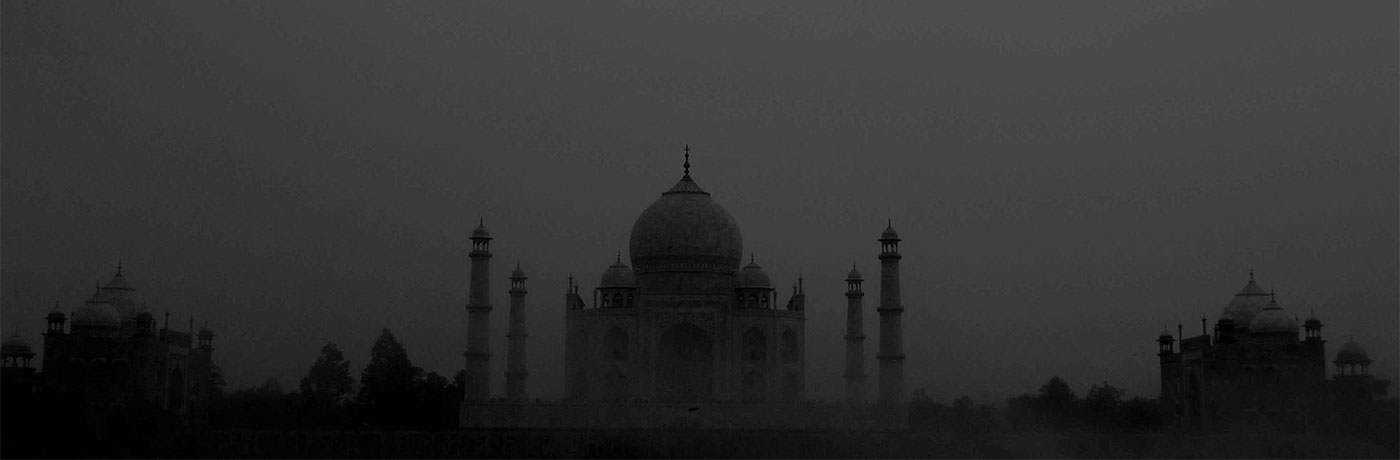
Visit the Taj Mahal, whose white marble architecture and carefully balanced proportions have made it one of the world's most recognisable monuments. Commissioned by Mughal emperor Shah Jahan in memory of Mumtaz Mahal, the complex combines the mausoleum with formal gardens, gateways and architectural elements arranged around a carefully controlled visual axis.
For couples, the Taj Mahal has an obvious association with a honeymoon journey, but the visit is more rewarding when its architectural detail is given equal attention. Observe the marble inlay work, symmetry, calligraphic decoration and changing appearance of the structure under different light conditions. Allow sufficient time within the complex rather than treating the visit as a brief photographic stop.
Depending on available time, continue with additional Agra heritage or keep the later hours relaxed. Since the following morning includes the road journey towards Jaipur via Fatehpur Sikri, the evening is intentionally not overloaded. Return to the hotel after the day's sightseeing.
Overnight stay in Agra.
Begin with Amber Fort, located among the Aravalli hills outside central Jaipur. Before Jaipur was established as a planned capital, Amber served as the royal seat of the Kachwaha rulers. The approach is visually striking, with defensive walls extending across the ridges and the palace complex positioned prominently above Maota Lake.
Move through the fortified gateways and spacious courtyards into the more refined palace sections. Amber combines military architecture with richly detailed royal spaces, creating a gradual transition from imposing exterior defences to intimate residential areas. Balconies, carved surfaces and decorated chambers reveal the artistic sophistication that existed within the hilltop stronghold.
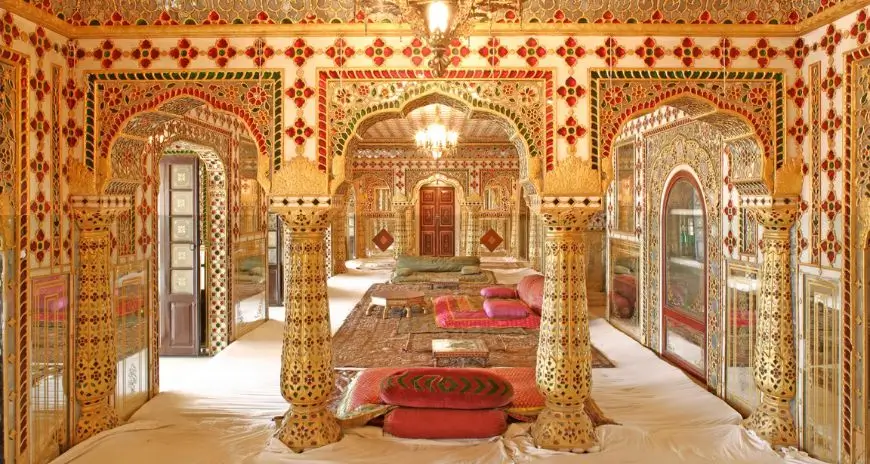
Return towards Jaipur, pausing near Jal Mahal where local stopping conditions permit. Continue into the historic city for City Palace, where royal architecture developed within a planned urban environment rather than an isolated fortress. The complex of courtyards and gateways offers a useful contrast with Amber and helps explain the shift of the royal capital.
Visit Jantar Mantar, whose monumental astronomical instruments reflect the scientific interests of Maharaja Sawai Jai Singh II. Afterwards, spend time around Hawa Mahal and the adjoining market streets. Jaipur's jewellery, textiles and handicrafts can be explored according to personal interest without turning the sightseeing day into a compulsory shopping programme.
Return to the hotel after a full but logically arranged day. With a second night in Jaipur, couples can enjoy the evening at leisure rather than immediately packing for another departure.
Overnight stay in Jaipur.
After breakfast, leave Jaipur and travel towards Mandawa, entering the Shekhawati region of Rajasthan. The character of the journey changes considerably as large royal monuments give way to smaller towns historically associated with prosperous merchant communities. Their wealth was expressed through elaborately decorated residences known as havelis.
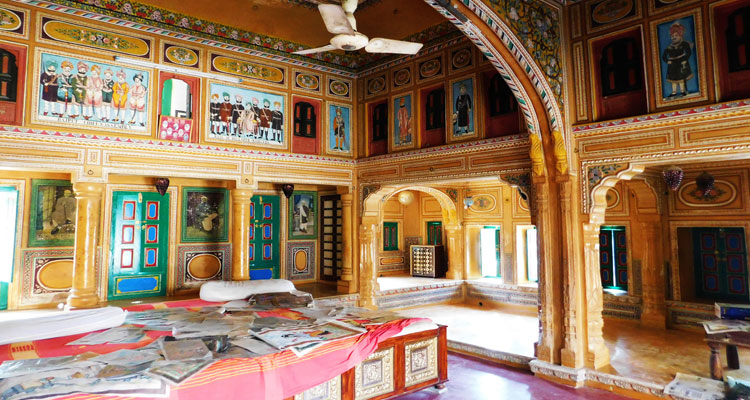
Arrive in Mandawa and check into the selected heritage hotel. Later, walk through parts of the town to see painted havelis, whose façades and interior surfaces display frescoes ranging from religious and mythological subjects to decorative patterns and scenes influenced by changing social life.
The appeal of Mandawa on a honeymoon route lies partly in its smaller scale. Couples can walk through historic streets and observe architectural details without the same crowds and monumental distances encountered in Jaipur or Agra. The slower atmosphere provides a useful pause before the journey moves deeper into Rajasthan's desert regions.
Return to the hotel and enjoy the evening within the heritage setting. Where the selected property offers additional activities, these can be arranged separately according to preference and confirmed inclusions.
Overnight stay in Mandawa.
Leave Mandawa after breakfast and continue towards Bikaner. As the journey progresses, the landscape becomes increasingly dry, signalling the transition towards Rajasthan's western desert belt. On arrival, check into the hotel before beginning the principal local sightseeing.
Visit Junagarh Fort, which differs from many famous Rajasthan forts because it stands on relatively level ground rather than occupying a high hill. Its formidable exterior walls protect a succession of palace courtyards, halls and royal chambers developed by different rulers over time.
Inside, richly decorated spaces create a striking contrast with the defensive exterior. Detailed surfaces, balconies, ceremonial rooms and architectural embellishments provide insight into the courtly traditions of Bikaner. The fort's arrangement also demonstrates how royal residences could evolve within a fortified complex over successive generations.
After sightseeing, spend some time observing Bikaner's old-city character or return directly to the hotel. The following day involves a substantial journey towards Jaisalmer, so the evening remains free rather than adding unnecessary secondary attractions.
Overnight stay in Bikaner.
After breakfast, begin the drive towards Jaisalmer, travelling farther west into the Thar Desert. The changing scenery is an important part of the journey. Settlements become more widely spaced, vegetation grows increasingly sparse and the desert environment becomes more pronounced as the road approaches Rajasthan's western frontier.
Arrive in Jaisalmer and transfer to the hotel. The city is distinguished by the warm golden sandstone used throughout its historic architecture, giving buildings a remarkably unified appearance. Above the lower town rises Jaisalmer Fort, whose walls and bastions dominate the skyline and immediately establish the character of the Golden City.
Depending on arrival time, take a gentle walk around the lower historic quarters or visit a suitable viewpoint. The main fort and haveli sightseeing is best kept for the following morning so that these complex sites can be seen without rushing after the long transfer from Bikaner.
The evening is free for the couple to enjoy Jaisalmer at their own pace. Traditional streets and sandstone façades take on a different character as daylight softens, making even a simple walk through the older neighbourhoods worthwhile.
Overnight stay in Jaisalmer.
Begin the day with Jaisalmer Fort, one of Rajasthan's most distinctive fortified settlements. Unlike many historic forts that now function mainly as monument complexes, Jaisalmer remains inhabited. Homes, temples, shops and narrow lanes continue within the fortified walls, giving the visit the atmosphere of a living neighbourhood rather than an abandoned royal stronghold.
Continue to the Jain temples within the fort and then explore selected merchant havelis in the lower city. Elaborately carved sandstone façades, projecting balconies and fine decorative details reveal the wealth accumulated when Jaisalmer occupied an important position on historic trading routes. These buildings show that the city's architectural identity was shaped by merchants as well as rulers.
After the heritage sightseeing, leave the urban area and travel towards Sam Sand Dunes. The gradual movement from densely built golden streets into the open desert creates one of the most memorable transitions of the itinerary. Check into the selected desert camp and allow time to settle into the surroundings before the later desert programme.
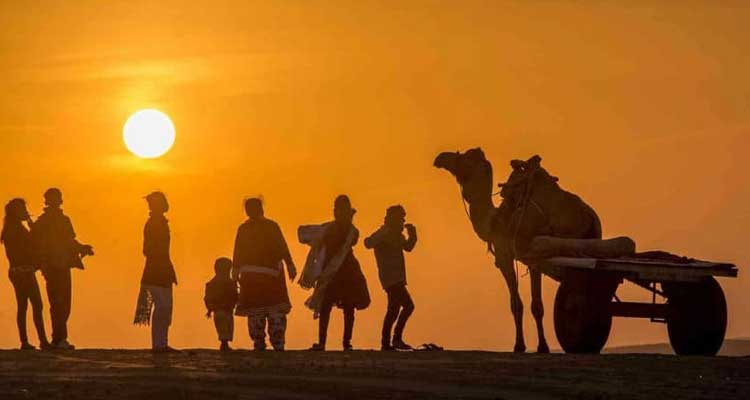
Depending on the confirmed package arrangements, enjoy the desert landscape and any included camp activities. Camel rides, cultural programmes, dinner arrangements or other camp experiences should be considered included only when specifically stated in the final booking. The open landscape and changing evening light provide the essential atmosphere regardless of the optional activities selected.
As night arrives, remain at the desert camp rather than returning immediately to Jaisalmer. This overnight stay gives the honeymoon itinerary a setting completely different from its palace hotels and city properties, marking the transition from the Golden City towards the Marwar region that follows.
Overnight stay at Sam Sand Dunes.
Wake to the quiet surroundings of the Sam Sand Dunes, where the desert feels noticeably different in the softer morning light. After breakfast at the camp, check out and begin the drive towards Jodhpur. This journey marks another transition within the honeymoon route, leaving the open landscapes around Jaisalmer and travelling towards the historic heartland of Marwar.
The drive provides time to appreciate the geographical scale of western Rajasthan. Dry plains, scattered settlements and hardy vegetation accompany much of the route before the increasingly urban surroundings announce the approach to Jodhpur. Compared with Jaisalmer's golden sandstone and compact desert-city character, Jodhpur immediately presents a different visual identity shaped by its immense rocky fortress and traditional blue-painted neighbourhoods.
On arrival, transfer to the hotel and settle in for a two-night stay in Jodhpur. The additional night is important because it prevents the Blue City from becoming another hurried stop between Jaisalmer and Udaipur. After several days involving regular road travel, the first afternoon can be kept lighter and adjusted according to arrival time.
Later, take an introductory outing towards Clock Tower and Sardar Market if desired. The crowded lanes, spice shops, textile stores and traditional businesses provide an energetic contrast to the previous night in the desert. Couples who prefer a quieter evening can instead remain at the hotel and save their energy for the principal Jodhpur sightseeing scheduled for the following day.
As evening approaches, the outline of Mehrangarh Fort above the city provides a powerful introduction to Jodhpur's royal landscape. Return to the hotel after the outing and enjoy the remainder of the evening privately.
Overnight stay in Jodhpur.
Leave Agra after breakfast and travel towards Fatehpur Sikri, the former Mughal capital established under Emperor Akbar. The extensive complex contains monumental gateways, courtyards, audience spaces and residential structures built primarily in red sandstone. Its relatively short period as an imperial capital makes the surviving architecture particularly fascinating.
Walk through the principal areas while observing how ceremonial, administrative and private spaces were organised within the complex. Architectural details reveal influences from different regional traditions, creating a distinctive visual language. Visiting Fatehpur Sikri before entering Rajasthan also provides a clear historical transition between the Mughal architecture of Agra and the Rajput capitals ahead.
Continue afterwards towards Jaipur, with the landscape and urban character gradually changing along the route. On arrival in Rajasthan's capital, transfer to the hotel and settle in for a two-night stay. The additional night allows Jaipur to be explored at a more comfortable pace than destinations receiving only a single overnight stop.
If time remains, take an introductory drive through the Pink City or spend the evening privately at the hotel. The major Jaipur monuments are reserved for the following day, ensuring the couple does not have to combine a road transfer and intensive sightseeing within the same schedule.
Overnight stay in Jaipur.
Leave Jodhpur after breakfast and begin the journey towards Udaipur, travelling from the Marwar region towards the greener landscapes of Mewar. Rather than following the road directly between the two cities, the itinerary includes an important stop at Ranakpur, where Rajasthan's Jain architectural tradition provides a completely different experience from the forts and palaces visited earlier.
As the road enters the Aravalli region, the landscape becomes increasingly varied. Hills and vegetation gradually replace the broad dry plains associated with western Rajasthan. This changing scenery makes the journey itself worthwhile and signals the transition towards Udaipur, whose lakes and surrounding hills will define the next three nights of the honeymoon.
At Ranakpur, visit the renowned Jain temple complex, celebrated for its elaborate marble architecture. Numerous carved pillars, domes and ceilings create an interior filled with intricate detail, while changing natural light produces different visual effects across the stone. Despite its architectural importance, Ranakpur remains an active place of worship and should be visited with appropriate respect for religious rules.
Allow sufficient time to appreciate the temple without rushing through its interior. Dress requirements, photography regulations and visitor access may be governed by the temple authorities and should be followed accordingly. The peaceful surroundings also provide a welcome contrast after the imposing military architecture of Mehrangarh.
Continue afterwards towards Udaipur. On arrival, transfer to the selected hotel and settle in for a three-night stay. The longer allocation is intentional, allowing the final Rajasthan section of the honeymoon to unfold at a slower pace. Spend the evening at leisure and enjoy the city's lake-oriented atmosphere.
Overnight stay in Udaipur.
Begin the day at Mehrangarh Fort, one of Rajasthan's most commanding fortified complexes. Rising almost directly from a massive rocky escarpment, the fort dominates Jodhpur from virtually every direction. Its position communicates the power of the Rathore rulers before visitors even pass through the first gateway.
Proceed through the fort's defensive entrances and into the palace areas within. Courtyards connect former royal apartments, ceremonial spaces and galleries containing collections associated with Jodhpur's court. Detailed latticework, decorative windows and richly finished interiors provide an elegant contrast with the immense stone walls protecting the complex.
Take time at the elevated viewpoints overlooking the Blue City of Jodhpur. Clusters of traditional houses spread below the fort, with blue-painted buildings creating the distinctive cityscape for which Jodhpur is known. The view also makes the relationship between the fortress and the historic settlement much easier to understand than it appears from street level.
Continue to Jaswant Thada, the graceful marble memorial situated relatively close to Mehrangarh. Its pale stone, landscaped surroundings and quieter atmosphere provide a change from the scale of the fortress. The setting makes this a pleasant stop for couples who prefer a sightseeing day with moments of calm rather than a continuous sequence of crowded monuments.
Later, return towards the old city and spend time around its traditional lanes according to personal interest. Handicrafts, textiles, spices and local products can be browsed without turning the day into a compulsory shopping excursion. The second overnight stay gives couples the freedom to return to the hotel whenever they feel the principal sightseeing has been comfortably completed.
Overnight stay in Jodhpur.
Begin the morning at the magnificent Udaipur City Palace, an extensive royal complex overlooking Lake Pichola. Developed over successive generations of Mewar rulers, the palace does not feel like a single building. Instead, interconnected courtyards, gateways, terraces, corridors and chambers create a layered architectural environment that rewards an unhurried visit.
Walk through the principal accessible areas while observing the decorative details and viewpoints incorporated into the palace design. From elevated terraces and windows, views extend across the old city, Lake Pichola and the surrounding Aravalli hills. The relationship between architecture, water and landscape is one of the qualities that separates Udaipur from the desert cities visited earlier in the journey.
Continue through the old quarter towards Jagdish Temple, located close to City Palace. The surrounding lanes are compact and lively, containing small shops, cafés, workshops and traditional buildings. Walking through this area gives couples an opportunity to experience Udaipur at street level rather than moving exclusively between large monuments by vehicle.
Later, visit Saheliyon Ki Bari, a historic garden known for its fountains, pavilions and landscaped spaces. After the architectural density of City Palace and the old city, the garden provides a quieter change of atmosphere and keeps the sightseeing day varied.
The remainder of the day can be kept open for personal time around Udaipur. Couples may return to the hotel, browse selected local shops or spend additional time near the lakefront. Optional activities can be arranged separately according to the confirmed package rather than being assumed as standard inclusions.
Overnight stay in Udaipur.
The third day in Udaipur is deliberately less structured. A honeymoon itinerary benefits from periods when couples are not required to follow a guide from one attraction to another, and the three-night Udaipur stay creates space for exactly that. After breakfast, begin the day slowly and decide how much additional sightseeing you would like to include.
Travellers interested in local culture can spend time within Udaipur's older neighbourhoods, where workshops and small stores sell paintings, textiles, decorative objects and traditional crafts. Others may prefer to revisit the lakefront, choose a café with a view or simply enjoy the facilities of the selected hotel. The schedule can be adjusted according to individual interests rather than following a compulsory list.
Udaipur's appeal for couples lies partly in the way its architecture interacts with water and hills. Even without entering another major monument, walking through the older areas and spending time around Lake Pichola provides a distinctive atmosphere. Views change throughout the day as sunlight moves across the palace façades and surrounding landscape.
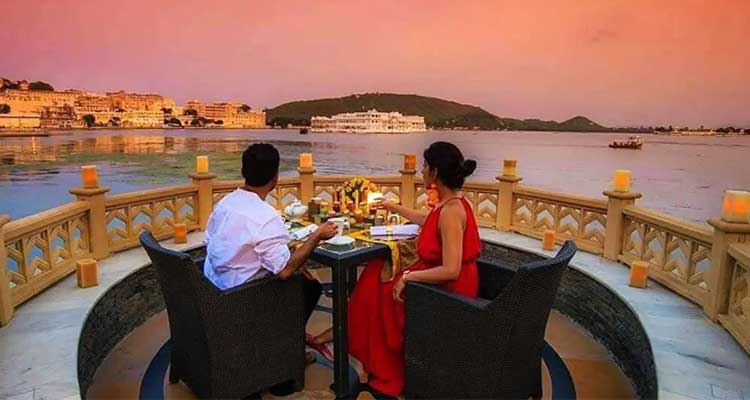
Where desired, optional private arrangements such as a special meal, a boat experience where operational, or another couple-focused activity may be added according to availability and the final quotation. These experiences are not treated as automatically included because preferences and operating conditions vary.
Enjoy the final evening in Rajasthan at a comfortable pace. After the forts of Jaipur, havelis of Mandawa, desert landscapes of Jaisalmer and royal architecture of Jodhpur, Udaipur provides a suitably relaxed setting before the journey changes direction towards Mumbai.
Overnight stay in Udaipur.
After breakfast, check out from the Udaipur hotel and transfer according to the confirmed arrangements for the onward journey to Mumbai. The connection between the two cities may be organised by the transport mode specified in the final booking. Any flight or other ticketed transport should only be considered included when clearly stated in the confirmed package quotation.
Arriving in Mumbai creates one of the strongest contrasts of the entire tour. Rajasthan's palace cities, desert roads and smaller heritage towns are replaced by a vast coastal metropolis shaped by colonial architecture, commercial activity, residential neighbourhoods and the Arabian Sea. Transfer from the arrival point to the selected hotel for the final overnight stay.
Depending on the arrival schedule, take an introductory drive through selected parts of Mumbai. Where time permits, the programme may include exterior views or stops around important city landmarks appropriate to the available hours. The exact sightseeing should remain flexible because the day's primary requirement is the transfer from Udaipur and arrival in Mumbai.
Couples who prefer a relaxed ending can keep the evening free rather than adding an intensive city tour after the journey. Mumbai serves as a contrasting final chapter and a convenient departure gateway after nearly two weeks through North India and Rajasthan.
Settle into the hotel for the final night of the journey. From the Mughal architecture of Agra to the Thar Desert and Udaipur's lakes, the landscapes encountered over the preceding days now give way to the energy of India's western coast.
Overnight stay in Mumbai.
Enjoy breakfast at the hotel and organise the final morning around the confirmed international or domestic departure time. If the flight schedule allows and sightseeing has been specifically arranged, limited time may be available for a short Mumbai outing. Travellers with earlier departures can proceed directly to the airport without adding unnecessary activities.
The final transfer takes you through Mumbai to the airport or confirmed onward departure point. Adequate time should be allowed for city traffic, check-in requirements and the departure terminal. Private transfer arrangements will follow the final confirmed schedule.
The completed journey has connected remarkably different parts of India within fifteen days: Delhi's metropolitan heritage, the Taj Mahal at Agra, Jaipur's royal capital, Shekhawati's painted havelis, Bikaner's fortified architecture, the Golden City of Jaisalmer, a night beside the Thar Desert, Jodhpur's Blue City and the lakes and palaces of Udaipur.
For couples, the value of the route comes from those contrasts. The holiday moves between celebrated monuments and quieter heritage towns, city hotels and a desert camp, intensive sightseeing and slower days together. Rather than relying on repeated honeymoon add-ons, the itinerary creates memorable shared experiences through the destinations themselves before finishing in Mumbai.
10 Nights / 11 Days
Delhi - Agra - Jaipur - Jodhpur - Udaipur - Delhi