Your Travel Partner
SINCE 1989
Your Travel Partner
SINCE 1989
Delhi – Agra – Fatehpur Sikri – Abhaneri – Jaipur – Pushkar – Jodhpur – Jaisalmer – Sam Sand Dunes – Bikaner – Mandawa – Delhi
India's classic Delhi–Agra–Jaipur journey becomes a much richer overland adventure when the road continues beyond the Golden Triangle and enters the historic regions of Rajasthan. The Delhi Agra and Rajasthan Tour Package 15 Days is built around this wider perspective, connecting Mughal monuments, Rajput capitals, sacred towns, desert fortresses, the Thar landscape and the painted merchant heritage of Shekhawati within one continuous private itinerary.
Two nights in Delhi establish the historical background of the journey. Rather than treating the capital only as an airport gateway, the itinerary allows time to encounter the contrasting personalities of Old and New Delhi. Mughal-era landmarks, historic streets and the broad avenues of the later capital provide a strong opening before the road turns towards Agra.
The next two nights are spent in Agra, allowing the Taj Mahal to receive more than a hurried stop between Delhi and Jaipur. Agra Fort adds another dimension to the city's Mughal history, while the onward road introduces Fatehpur Sikri, the former imperial capital of Emperor Akbar. The journey then reaches Abhaneri, where Chand Baori provides a striking example of India's historic stepwell architecture before Jaipur.
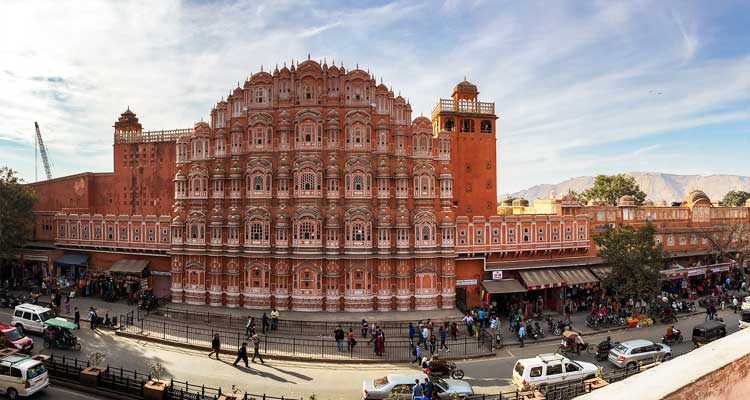
Two nights in Jaipur mark the Rajasthan stage of the route. Amber Fort introduces the earlier hill capital, while City Palace, Jantar Mantar and Hawa Mahal belong to the carefully planned Pink City. The journey then leaves Rajasthan's largest tourist centre for Pushkar, where a sacred lake, ghats and temple traditions create a completely different atmosphere.
From Pushkar, the route moves west through Jodhpur and Jaisalmer, progressively entering Rajasthan's drier regions. Mehrangarh Fort rises over Jodhpur's Blue City, while Jaisalmer is defined by golden sandstone, a living fort and intricately carved merchant havelis. These destinations reveal the architectural diversity that developed across Rajasthan's former kingdoms.
A dedicated night near Sam Sand Dunes brings the route out of the cities and into the Thar Desert. Staying near the dunes instead of returning immediately to Jaisalmer creates a meaningful landscape experience and gives the tour its desert component without presenting optional camp entertainment as guaranteed unless specifically confirmed.
The final section travels through Bikaner and Mandawa. Junagarh Fort represents Bikaner's royal heritage, while Mandawa brings the itinerary back to merchant history through the fresco-covered havelis of Shekhawati. From there, the road returns to Delhi, completing a broad circuit rather than retracing the same destinations.
For international travellers seeking a Delhi Agra Rajasthan tour package, these fifteen days provide a logical introduction to North India with considerable regional depth. Famous landmarks such as the Taj Mahal and Amber Fort are balanced by stepwells, pilgrimage towns, desert landscapes, smaller heritage centres and traditional architecture that might otherwise require several separate trips.
Arrive in Delhi, where you will be met at the airport or confirmed arrival point and assisted with a private transfer to the hotel. As the tour begins with two nights in the capital, the first day does not need to be overloaded with major monuments immediately after arrival. Complete the hotel formalities and take some time to recover from the journey.
Depending on arrival time, begin with a relaxed orientation through selected parts of New Delhi. Broad avenues, government districts, landscaped areas and busy commercial neighbourhoods provide an immediate sense of the scale of the capital. This introductory drive is particularly useful for first-time visitors arriving directly from an international flight.
If time and energy permit, stop at a suitable landmark or spend some time in a nearby market area. The programme remains deliberately flexible because arrival schedules can vary considerably. Travellers landing later in the day can simply transfer to the hotel without losing any essential sightseeing.
The first evening is free for rest and personal time. Delhi's principal historical visits are reserved for the following day, when they can be covered in a coherent sequence rather than being divided around flight timings.
Overnight stay in Delhi.
After breakfast, begin a full day of Delhi sightseeing, starting with the older historical quarters. The atmosphere changes significantly as the route enters Old Delhi, where narrow commercial streets, religious buildings and dense neighbourhoods preserve a very different urban pattern from the broad avenues of New Delhi.
Visit selected Mughal-era heritage according to the confirmed sightseeing programme. Around the historic core, the scale and density of Old Delhi provide context for the imperial city that developed during the Mughal period. A drive through the area also introduces traditional markets and street life that remain an important part of Delhi's identity.
Continue later towards New Delhi, where the urban landscape becomes dramatically more spacious and formal. Colonial-era planning introduced ceremonial avenues, administrative districts and large public spaces that contrast sharply with the older city. This difference between the two halves of Delhi is central to understanding the capital.
Visit or view selected landmarks included in the confirmed programme and allow time for historical explanation rather than attempting to stop at every attraction in the city. Delhi contains far more heritage than can realistically be covered in one day, so the itinerary concentrates on a representative selection.
Return to the hotel after sightseeing. With the first major cultural day completed, the following morning begins the overland journey towards Agra and the Mughal heart of the Golden Triangle.
Overnight stay in Delhi.
Leave Delhi after breakfast and travel privately towards Agra. The drive forms the first major intercity transfer of the itinerary and shifts the historical focus towards the Mughal Empire. On arrival, transfer to the hotel and check in for a two-night stay.
Later, begin Agra sightseeing with Agra Fort, the massive red sandstone complex standing beside the Yamuna River. The fort developed under several Mughal emperors and served military, administrative and residential purposes. Its scale makes it much more than a single palace or defensive structure.
Walk through the accessible courtyards and palace sections while observing the transition between robust red sandstone architecture and more refined decorative spaces. Several areas provide historical connections with Shah Jahan, whose reign is inseparable from the story of the Taj Mahal.
From selected points within the fort, views towards the river and Taj Mahal help connect Agra's two great monuments geographically as well as historically. Understanding the fort first can make the following day's Taj Mahal visit more meaningful by placing the mausoleum within the broader context of the Mughal court.
Return to the hotel after sightseeing. The evening remains free, allowing travellers to rest before visiting the Taj Mahal the following day.
Overnight stay in Agra.
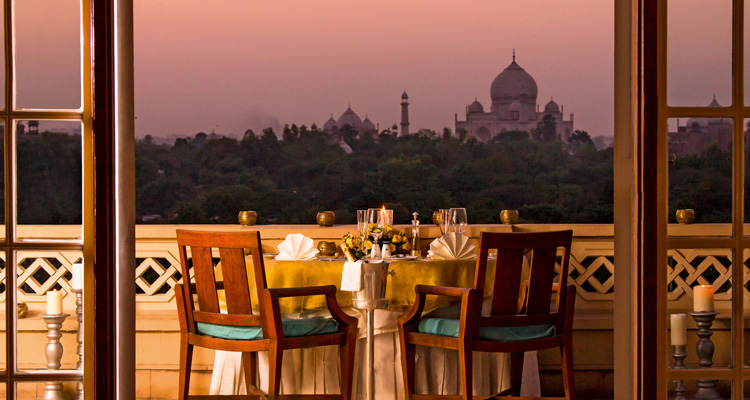
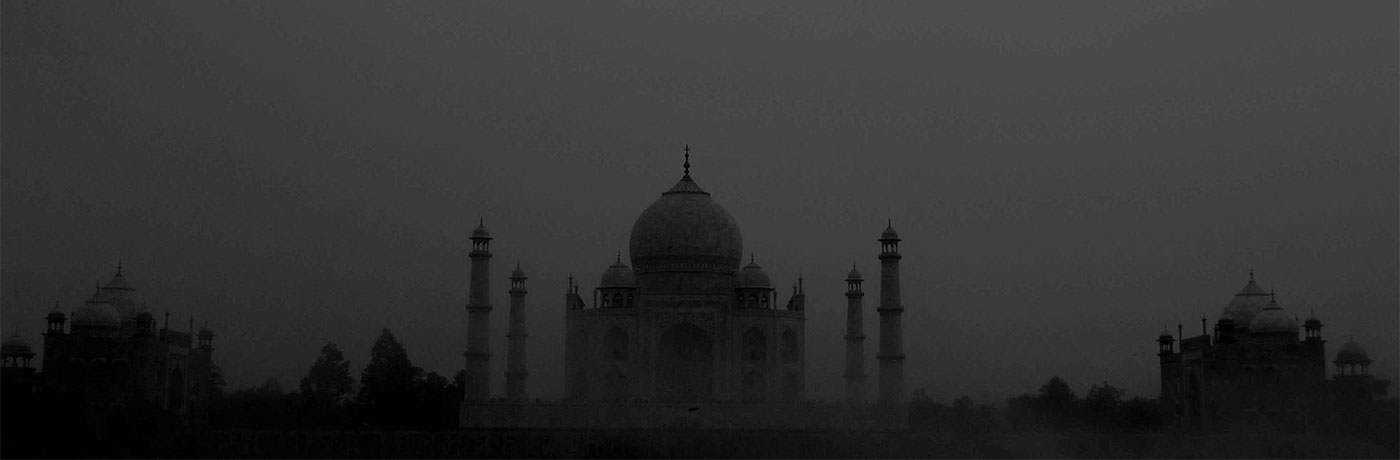
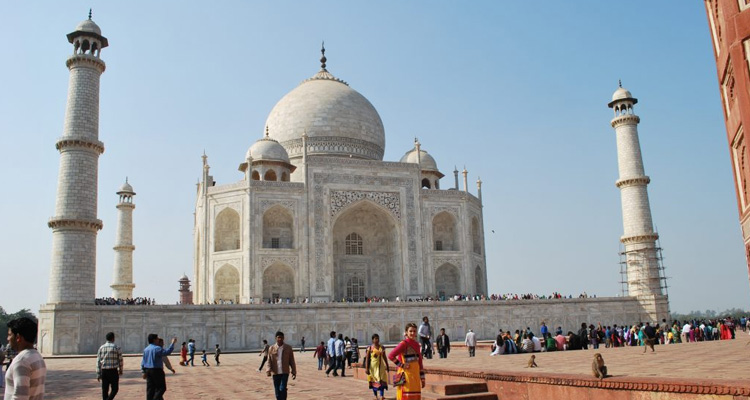
Begin the day with the Taj Mahal, scheduling the visit according to monument opening regulations and the final programme. Approaching through the monumental gateway gradually reveals the white marble mausoleum beyond the formal garden, creating one of the most carefully controlled architectural views in India.
Commissioned by Emperor Shah Jahan in memory of Mumtaz Mahal, the Taj Mahal is celebrated for far more than its romantic association. Its architectural balance, marble surfaces, calligraphic decoration, inlay work and symmetrical planning represent an extraordinary level of Mughal craftsmanship.
Take sufficient time within the complex to examine the details rather than limiting the visit to photographs from the central garden. Changes in natural light affect the appearance of the marble, while different positions around the complex reveal the careful relationship between the mausoleum, minarets, mosque, guest structure and riverfront setting.
The remainder of the day can include another selected Mughal heritage site or time to observe Agra's traditional craft heritage according to the confirmed programme. Keeping two nights in Agra allows the Taj Mahal and Agra Fort to be experienced on separate days instead of rushing both between long road transfers.
Spend the evening at leisure. With Agra's principal monuments completed, the next stage follows an important historical road towards Rajasthan via Fatehpur Sikri and Abhaneri.
Overnight stay in Agra.
Leave Agra after breakfast and travel towards Fatehpur Sikri, the former Mughal capital established during the reign of Emperor Akbar. The extensive red sandstone complex remains one of the most significant architectural stops between Agra and Jaipur and deserves more than a brief roadside pause.
Walk through its major accessible areas, observing ceremonial courtyards, gateways and former administrative and residential spaces. Fatehpur Sikri illustrates imperial planning on a large scale and provides another perspective on Mughal architecture after the monuments of Agra.
Continue towards Rajasthan and stop at Abhaneri, known for the remarkable Chand Baori stepwell. Its deep geometric arrangement of descending steps creates one of India's most recognisable historic water structures. Stepwells were practical responses to water management needs, yet many developed into highly sophisticated architectural spaces.
After Abhaneri, continue towards Jaipur. The arrival in the Pink City marks the transition from the Mughal-focused opening of the journey to the royal traditions of Rajasthan. Transfer to the hotel and check in for two nights.
Keep the evening comparatively relaxed after a day containing two heritage stops and a substantial road journey. A short orientation through Jaipur may be possible depending on arrival time, but the city's principal monuments are reserved for the following day.
Overnight stay in Jaipur.
Begin the morning with Amber Fort, the former royal seat situated among the hills outside Jaipur. Its elevated position above Maota Lake and the surrounding defensive walls immediately distinguish it from the Mughal complexes seen earlier in the journey.
Proceed through the fort's gateways and courtyards into its more elaborate palace sections. Amber combines defensive strength with royal refinement, including decorated chambers, balconies and spaces designed for ceremonial and residential use. The progression through the complex reveals how a fortified hill capital could also function as an elaborate court.
On the return towards central Jaipur, pause near Jal Mahal where traffic and local stopping conditions allow. Continue into the historic Pink City for City Palace, where the royal setting changed from an elevated fort to a carefully organised urban capital.
Visit nearby Jantar Mantar, whose monumental astronomical instruments reflect the scientific interests of Jaipur's founder, Maharaja Sawai Jai Singh II. The site adds an important intellectual dimension to the city's architectural history and helps explain why Jaipur developed as a carefully planned centre.
Spend time around Hawa Mahal and the surrounding old-city streets before returning to the hotel. Traditional markets associated with jewellery, textiles and handicrafts can be explored according to personal interest.
Overnight stay in Jaipur.
After breakfast, leave Jaipur and travel towards Pushkar. The relatively short transfer introduces a completely different side of Rajasthan. Jaipur's broad royal avenues and monumental architecture give way to a compact pilgrimage town organised around a sacred lake.
On arrival, check into the hotel and later proceed towards Pushkar Lake. The ghats surrounding the water are central to the town's religious identity, and ceremonies or devotional activities may be taking place during the visit. Visitors should follow local customs concerning footwear, photography and behaviour around worshippers.
Continue to the renowned Brahma Temple, subject to the temple's operating hours and access regulations. Pushkar is particularly associated with the worship of Lord Brahma, making the temple one of the most significant religious sites in the town. The visit should be approached respectfully rather than treated in the same manner as a conventional sightseeing monument.
Spend time afterwards walking through Pushkar's narrow market streets. Religious objects, textiles, handicrafts, cafés and small shops create a lively environment around the sacred centre. Despite its popularity with visitors, Pushkar retains a strong pilgrimage identity that distinguishes it from Rajasthan's palace cities.
As evening approaches, return towards the lake area or enjoy free time at the hotel. The overnight stay allows Pushkar to be experienced after many day visitors have departed and avoids reducing the destination to a quick road stop.
Overnight stay in Pushkar.
Leave Pushkar after breakfast and begin the journey towards Jodhpur, moving west into the historic Marwar region. The landscape gradually becomes drier, signalling the geographical transition towards western Rajasthan and the desert-influenced destinations that dominate the next stage of the tour.
Arrive in Jodhpur and transfer to the hotel for a two-night stay. This additional night gives the city enough space within the itinerary to be understood beyond a quick visit to Mehrangarh Fort. After checking in, take time to refresh following the drive.
Later, head towards the old city around Clock Tower and Sardar Market. This lively commercial district introduces Jodhpur through narrow lanes, spice sellers, textile shops and traditional businesses rather than through royal architecture alone. Above the neighbourhood rises the enormous outline of Mehrangarh Fort.
Walk through selected sections of the market according to available time and interest. The old city is also the gateway to neighbourhoods associated with Jodhpur's famous blue-painted houses, although the best understanding of their scale comes from the elevated viewpoints visited during the following day's fort sightseeing.
Return to the hotel after the introductory outing. Mehrangarh Fort, Jaswant Thada and the principal Jodhpur heritage are reserved for the next day, allowing the first evening in Marwar to remain comfortable after the road journey.
Overnight stay in Jodhpur.
After breakfast, begin the day at Mehrangarh Fort, the immense stronghold rising from a rocky escarpment above Jodhpur. The fort's commanding position is central to the identity of the city, and its massive walls can be seen from large parts of the surrounding urban area. Approaching the fort through its historic gateways immediately demonstrates why it became one of the most formidable royal centres in Rajasthan.
Inside the complex, move through courtyards, former royal apartments and ceremonial spaces associated with the Rathore rulers of Marwar. The contrast between the powerful exterior walls and the delicately decorated palace interiors is particularly striking. Carved stone screens, balconies, windows and ornate chambers reveal the artistic refinement that developed behind the fort's military defences.
Spend time at the elevated viewpoints overlooking Jodhpur's Blue City. Traditional houses spread densely beneath the fort, with blue-painted buildings giving the old quarters their famous visual identity. From above, it is also possible to understand how the historic city developed around the fortress and expanded into the surrounding landscape.
Continue to Jaswant Thada, the elegant marble memorial situated near Mehrangarh. Its lighter architecture and comparatively peaceful surroundings provide a natural contrast to the scale of the fort. Afterwards, return towards the old city, where additional time can be spent around Clock Tower, traditional markets or selected craft areas according to interest.
The second night in Jodhpur allows the sightseeing to finish at a comfortable pace. Return to the hotel after completing the day's heritage visits and prepare for the journey deeper into western Rajasthan.
Overnight stay in Jodhpur.
Leave Jodhpur after breakfast and begin the drive towards Jaisalmer, travelling farther west into the increasingly arid landscapes of Rajasthan. The journey is an important geographical stage of the tour, as the terrain becomes progressively more desert-like and settlements become more widely spaced.
The long road across western Rajasthan also provides a sense of distance that is difficult to appreciate when travelling only between major cities by air. Dry plains, hardy vegetation and smaller settlements accompany the route, gradually establishing the environment that surrounds Jaisalmer and the wider Thar Desert.
Arrive in Jaisalmer and check into the selected hotel for a two-night stay. The city is immediately recognisable for its golden sandstone architecture. Buildings throughout the historic quarters share warm honey-coloured tones, while the massive fortified settlement rises prominently above the lower city.
Rather than rushing directly through the fort after the road journey, use the later afternoon for a lighter orientation. Depending on arrival time, walk through selected old streets, observe the sandstone façades or visit a suitable viewpoint from which the fortified skyline can be appreciated.
The major Jaisalmer heritage visits are reserved for the following day. This arrangement gives the Golden City sufficient time within the itinerary and avoids combining a substantial road transfer with several hours of intensive sightseeing.
Overnight stay in Jaisalmer.
Begin with Jaisalmer Fort, one of the most distinctive fortified settlements in Rajasthan. Rising above the city on a natural elevation, the fort is notable not simply for its defensive walls but because a residential and commercial community continues to exist within them.
Enter the fort and explore its narrow lanes, viewpoints and accessible heritage areas. Homes, temples, shops and small businesses occupy spaces within the historic walls, creating an environment quite different from Rajasthan forts that function primarily as monument complexes. The living character of the fort is therefore an essential part of the visit.
Continue to the historic Jain temples located within the fort area, observing the intricate stone craftsmanship and religious character of the complex. As these are active sacred spaces, local regulations concerning entry, footwear, photography and visitor conduct should be followed carefully.
Later, descend into the lower city to see selected Jaisalmer havelis. Wealthy merchants commissioned elaborate residences with finely carved sandstone façades, balconies and projecting windows. Their craftsmanship demonstrates how commercial prosperity contributed as much to Jaisalmer's visual identity as royal patronage.
Spend the later hours walking through the historic quarters or enjoying the atmosphere of the Golden City at a slower pace. The second hotel night provides time to appreciate Jaisalmer independently before the following day's move from the city into the open desert.
Overnight stay in Jaisalmer.
Enjoy breakfast at the hotel and keep the earlier part of the day relatively relaxed before leaving Jaisalmer for Sam Sand Dunes. Any remaining local sightseeing or free time can be accommodated according to the final departure schedule, avoiding unnecessary repetition of the previous day's fort and haveli visits.
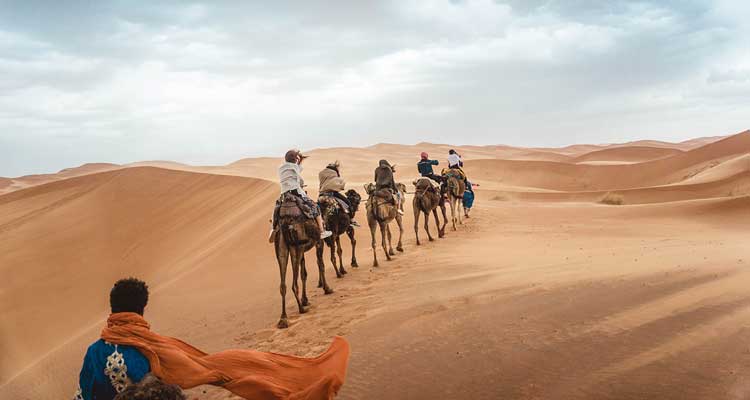
Later, travel away from the built-up city and towards the Thar Desert. As Jaisalmer recedes, the surroundings become increasingly open and sparse. This transition is an important part of the experience because the desert is not treated merely as a quick sunset excursion followed by an immediate return to the city.
Arrive near Sam and check into the selected desert camp. Take time to settle into the camp before heading towards the dune landscape. The late afternoon is generally the most atmospheric period, when softer light changes the appearance of the sand and temperatures become more comfortable.
Where specifically included in the confirmed booking, the desert programme may feature a camel ride and cultural entertainment at the camp. Exact activities depend on the selected property and package arrangements, so they should not be considered automatically included unless stated in the final confirmation.
Return to the camp after the desert outing and spend the night in the Thar region. The Sam Sand Dunes overnight stay creates a clear separation between Jaisalmer's architectural heritage and the natural desert landscape that surrounds it.
Overnight stay at Sam Sand Dunes.
After breakfast at the desert camp, check out and begin the journey towards Bikaner. Today's road section travels across a substantial portion of Rajasthan's western and northern desert region, connecting the dunes around Jaisalmer with another historically important former princely capital.
On reaching Bikaner, check into the selected hotel and proceed according to the available sightseeing time. The city's principal architectural landmark is Junagarh Fort, a fortress that differs noticeably from Mehrangarh and Jaisalmer Fort because it was constructed on relatively level ground rather than a commanding hilltop.
Enter through the defensive gateways and explore the fort's sequence of courtyards and palace sections. Successive rulers added richly decorated halls and residential areas within the formidable exterior walls, producing an architectural complex where military strength and royal luxury exist side by side.
Detailed interiors, balconies, ornamental surfaces and ceremonial spaces provide another perspective on Rajasthan's courtly architecture. By this stage of the journey, travellers have seen forts in Jaipur, Jodhpur and Jaisalmer, making Bikaner's different construction and setting easier to appreciate.
After sightseeing, return to the hotel. The evening can be spent at leisure or, if timing allows, around selected sections of Bikaner's traditional city streets.
Overnight stay in Bikaner.
Leave Bikaner after breakfast and travel towards Mandawa, entering the Shekhawati region of northern Rajasthan. After several days dominated by forts, desert landscapes and royal cities, Mandawa changes the architectural focus towards merchant residences and painted façades.
Arrive in Mandawa and check into the selected hotel or heritage property. Later, begin exploring the town's historic lanes, where numerous havelis were constructed by prosperous merchant families. Their architecture provides insight into a different source of wealth and patronage within Rajasthan.
Observe the famous Shekhawati frescoes decorating selected haveli façades and interiors. The paintings can include religious imagery, decorative patterns, social scenes and subjects influenced by changing technology and contact with the wider world. Together they create a remarkable visual record of the region's commercial history.
Look beyond the paintings to the architecture of the residences themselves. Courtyards, ornate doorways, carved balconies and carefully organised domestic spaces reveal how wealthy merchant households lived and displayed their status. Mandawa's appeal comes from encountering these buildings as part of an entire historic town rather than visiting a single monumental palace.
Spend the evening enjoying the slower atmosphere of Mandawa. This final Rajasthan overnight provides a quieter ending to the state circuit before the road returns to Delhi the following day.
Overnight stay in Mandawa.
After breakfast, check out from the hotel and begin the return journey towards Delhi. Leaving Shekhawati completes a broad overland circuit that has travelled from the Mughal centres of Delhi and Agra through the royal cities, sacred landscapes and desert regions of Rajasthan.
The journey has moved through several distinct architectural traditions. The marble symmetry of the Taj Mahal was followed by Fatehpur Sikri's red sandstone, Abhaneri's geometric stepwell, Jaipur's planned royal city, Pushkar's sacred lake, Jodhpur's immense hill fortress, Jaisalmer's golden architecture and Mandawa's painted merchant mansions.
The landscape has changed just as significantly. Metropolitan Delhi gave way to the plains around Agra, the Aravalli-influenced setting of Jaipur, the increasingly dry country west of Pushkar and Jodhpur, and finally the open Thar Desert around Jaisalmer and Sam Sand Dunes.
Continue towards Delhi with suitable comfort stops during the drive. Since the master route concludes with departure after returning from Mandawa, no additional Delhi overnight is added to the programme.
On arrival in Delhi, transfer to Delhi Airport, railway station, hotel or another confirmed onward location according to the departure arrangements. The fifteen-day route ends after combining the celebrated Golden Triangle with a much deeper journey through Rajasthan's forts, sacred towns, desert landscapes and Shekhawati heritage.
13 Nights / 14 Days
Delhi-Agra-Jaipur-Shekhawati-Bikaner-Jaisalmer-Jodhpur-Udaipur-Delhi
06 Nights / 07 Days
Delhi – Mandawa – Bikaner – Jaisalmer – Khuri – Jodhpur