Your Travel Partner
SINCE 1989
Your Travel Partner
SINCE 1989
Jaipur
Two days in Jaipur give travellers something a same-day visit cannot: the opportunity to understand the connection between the old royal seat at Amber and the later planned capital known today as the Pink City. The Jaipur Tour Packages 2 Days – Pink City Tour with Amber Fort is designed around this historical progression, combining Jaipur's principal monuments with its traditional streets and market districts without forcing every major attraction into a few hurried hours.
The first day concentrates on the walled city of Jaipur, where Hawa Mahal, City Palace and Jantar Mantar stand within a compact historic area. These landmarks reveal three very different aspects of Jaipur's identity. Hawa Mahal represents the city's distinctive street architecture, City Palace reflects its royal administration and ceremonial life, while Jantar Mantar demonstrates the scientific interests of Maharaja Sawai Jai Singh II, the ruler responsible for establishing Jaipur as a planned capital.
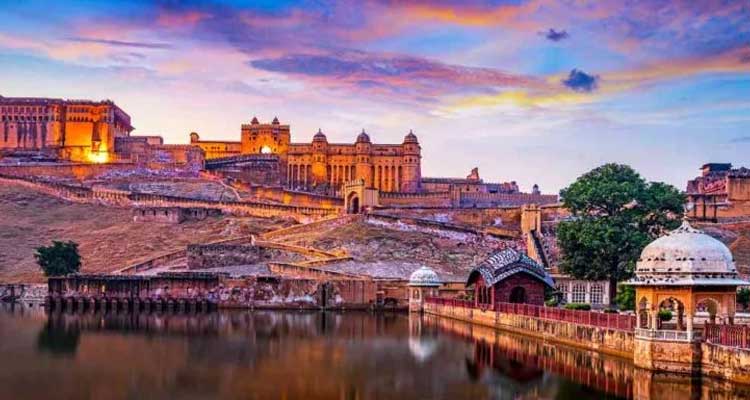
The second day moves towards Amber Fort, located among the hills beyond the old city. Amber predates Jaipur and served as the royal seat before the capital shifted to the plains. Its fortified gateways, large courtyards, palace chambers and elevated viewpoints provide an architectural experience very different from the monuments within Jaipur's urban core. Seeing both areas across two days helps travellers understand the development of the region rather than simply collecting famous photographs.
Time within Jaipur's historic bazaars adds another layer to the programme. The city has longstanding traditions associated with gemstones, jewellery, textiles, block printing and handicrafts. These commercial activities are not separate from Jaipur's heritage; many developed alongside the planned market streets established around the royal centre.
This 2-day Jaipur tour package works particularly well for first-time visitors, couples, families and travellers adding Jaipur to a longer India itinerary. Private local transportation keeps the programme flexible, while one overnight stay provides enough breathing room between the two sightseeing days. Pickup and departure arrangements can be adapted to the confirmed hotel, airport or railway schedule.
Arrive in Jaipur by flight, train or private road transfer and meet your representative or driver at the confirmed arrival point. Transfer to the hotel and complete check-in according to the property's standard timing. Once settled, begin the first sightseeing session within Jaipur's historic walled city, where several of its defining landmarks stand relatively close to one another.
Start around Hawa Mahal, the extraordinary street-facing structure commonly known as the Palace of Winds. Its multi-level façade is composed of numerous small windows and projecting elements that create one of Rajasthan's most recognisable architectural compositions. Rather than viewing it as an isolated monument, notice its position directly beside Jaipur's traditional market streets, where commercial activity continues around the historic architecture.
Proceed to City Palace, the royal complex situated within the heart of the old city. Jaipur was planned under Maharaja Sawai Jai Singh II, and the palace occupied an important position within that urban design. Inside the accessible sections, courtyards, gateways, former audience areas and architectural details reveal the ceremonial and administrative world of Jaipur's rulers. The complex feels markedly different from the hill forts for which Rajasthan is famous because it was constructed as part of a functioning city.
Continue to nearby Jantar Mantar, where large masonry instruments were designed for astronomical observations and calculations. With proper explanation, the site becomes much more than a collection of unusual geometric structures. It reflects the intellectual interests of Jaipur's founder and demonstrates how astronomy, mathematics and royal patronage formed part of the city's early development.
After completing the main monuments, spend some time walking through selected Pink City bazaars. Jaipur has long been associated with gemstones, jewellery, textiles, traditional fabrics and handcrafted products. Market time can remain brief for travellers interested primarily in monuments, while guests interested in local crafts can spend longer in carefully selected areas without allowing shopping stops to dominate the sightseeing programme.
Return to the hotel after the old-city visit and enjoy the evening at leisure. Keeping Amber Fort for the second day means the itinerary does not require travellers to move repeatedly between opposite parts of Jaipur. It also creates a logical historical sequence, with the planned capital seen first and its older royal predecessor explored in detail the following morning.
Overnight stay in Jaipur.
After breakfast, check out according to the departure schedule and drive towards Amber Fort, located in the hills outside central Jaipur. As the road approaches Amber, the landscape becomes increasingly dramatic, with fortified walls extending along the ridges and the palace complex rising above Maota Lake. The setting immediately distinguishes Amber from the urban monuments visited the previous day.
Amber served as the principal royal seat before the foundation of Jaipur. Enter through its monumental gateways and continue through a succession of courtyards that once supported ceremonial, administrative and residential functions. Strong exterior fortifications gradually give way to more refined palace architecture, demonstrating how defence and royal lifestyle were combined within the same complex.
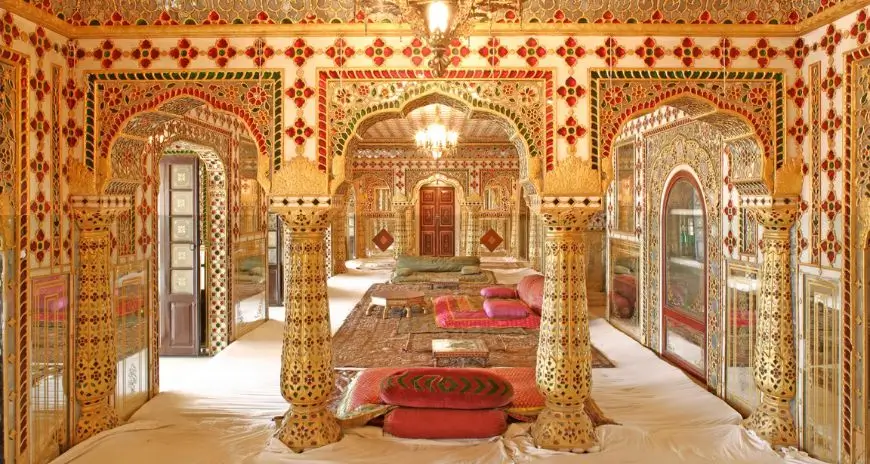
Spend sufficient time exploring the important palace sections. Decorative chambers, stonework, balconies and carefully planned spaces reveal the artistic sophistication hidden behind Amber's formidable exterior. From elevated areas of the complex, views extend towards Maota Lake and the surrounding Aravalli hills, helping visitors understand the strategic advantages of the site.
After leaving Amber, return towards Jaipur and pause around Jal Mahal where traffic and stopping conditions allow. The palace stands within Man Sagar Lake and is generally appreciated from the roadside waterfront area. Its low horizontal profile and lake setting provide a strong visual contrast with Amber's elevated fortifications, making it a worthwhile photographic stop on the return journey.
Depending on the confirmed departure time, the remaining hours can be used for a relaxed meal, selected shopping or an additional local stop based on individual interest. Travellers with an early train or flight can proceed directly towards the departure point, while those leaving later can make better use of the available time without adding an unrealistic number of attractions.
Transfer finally to Jaipur Airport, railway station, hotel or another confirmed location. Across two days, the programme covers the essential architectural story of Jaipur—from the planned royal city and its astronomical observatory to the older fortified capital at Amber—making it a practical choice for travellers who want more depth than a same-day sightseeing tour.
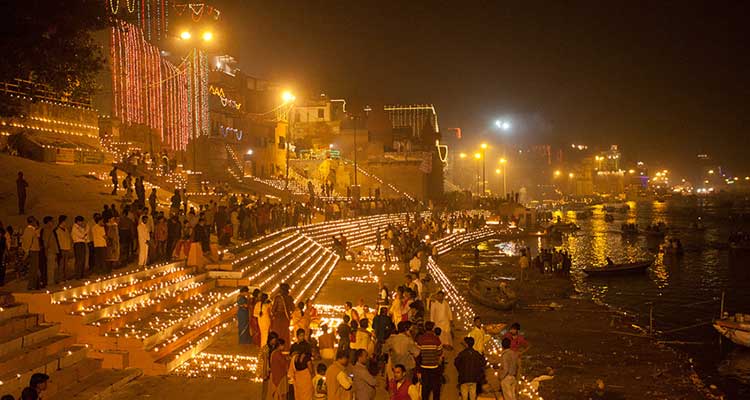
08 Nights / 09 Days
Delhi – Jaipur – Abhaneri – Fatehpur Sikri – Agra – Orchha – Khajuraho – Varanasi – Delhi
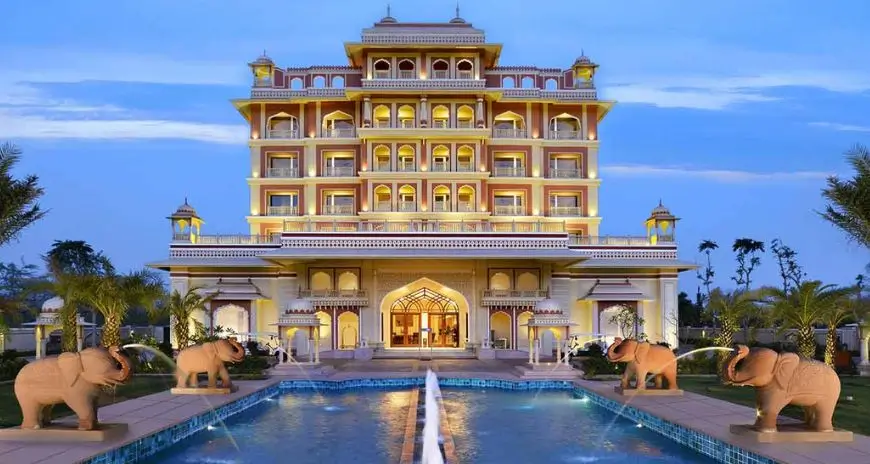
10 Nights / 11 Days
Delhi - Agra - Jaipur - Jodhpur - Udaipur - Delhi