Your Travel Partner
SINCE 1989
Your Travel Partner
SINCE 1989
Delhi – Jaipur – Abhaneri – Fatehpur Sikri – Agra – Orchha – Khajuraho – Varanasi – Delhi
Few short journeys through northern India bring together such different expressions of architecture, faith and royal history within a single route. The Luxury Rajasthan Tour with Khajuraho and Varanasi begins in Delhi, moves into Rajasthan for the palaces and forts of Jaipur, reaches the Mughal monuments of Agra and then continues east through Orchha and Khajuraho before arriving at the sacred riverfront of Varanasi. Instead of concentrating exclusively on Rajasthan, the itinerary connects several important cultural regions to create a broader introduction to northern India.
Jaipur provides the royal Rajasthan chapter of the journey. Amber Fort, City Palace, Hawa Mahal and Jantar Mantar reveal different aspects of the Kachwaha rulers and their planned capital, while two nights allow the Pink City to be seen without combining arrival and departure into one rushed visit. From Jaipur, the road towards Agra incorporates Abhaneri, known for its extraordinary stepwell architecture, followed by Fatehpur Sikri, the former Mughal capital associated with Emperor Akbar.
Agra brings the journey to the Taj Mahal, where Mughal architecture reaches an entirely different level of refinement. The itinerary then moves beyond the conventional Golden Triangle towards Orchha, a historic town whose palaces and temples rise beside the Betwa River. Its smaller scale creates a welcome contrast after Jaipur and Agra, while its Bundela architecture provides a transition towards the temple heritage of central India.
At Khajuraho, the focus shifts to the celebrated temple complexes created under the Chandela rulers. Their sculptural detail, architectural proportions and surviving stonework make Khajuraho one of India's most distinctive historic destinations. The route then concludes with two nights in Varanasi, where heritage is experienced not only through monuments but through an active sacred landscape. Ghats line the Ganges, boats move across the river at dawn, temples and shrines fill the old quarters, and religious rituals remain inseparable from everyday life.
For travellers looking for a luxury India cultural tour that reaches beyond a standard Rajasthan itinerary, these nine days provide remarkable variety. Rajput palaces, a medieval stepwell, Mughal architecture, Bundela heritage, ancient temple sculpture and the spiritual traditions of the Ganges appear in succession, giving each destination a clear purpose within the journey.
Arrive at Delhi International Airport, where you will be met and assisted with your private transfer to the hotel. Delhi provides an appropriate starting point because almost every historical theme encountered later in the journey—royal power, religion, trade and imperial architecture—has also left some form of imprint on the capital. Rather than immediately beginning a demanding sightseeing schedule after an international flight, the arrival programme remains comfortable and adaptable to your actual landing time.
Once hotel formalities are complete, take time to recover from the journey. Guests arriving earlier in the day may have an opportunity for a short orientation through selected areas of the capital, while later arrivals can simply settle into the hotel. Delhi's broad modern avenues, dense older districts and historic monuments demonstrate the scale of a city that has developed through numerous political eras, but extensive Delhi sightseeing is deliberately avoided because the route moves towards Jaipur the following morning.
Spend the evening at leisure and prepare for the cultural circuit ahead. During the coming days, the architectural vocabulary will change repeatedly—from Rajasthan's fortified palaces to Mughal sandstone and marble, Bundela buildings, Chandela temples and finally the ancient riverfront of Varanasi. The first night therefore functions as a comfortable arrival stage before the more detailed heritage programme begins.
Overnight stay in Delhi
After breakfast, leave Delhi in your private vehicle and travel towards Jaipur. The journey marks the entry into Rajasthan and the beginning of the royal heritage section of the itinerary. Founded in the eighteenth century by Maharaja Sawai Jai Singh II, Jaipur differed from many older Rajput settlements because it was created as a planned capital, with organised streets, commercial quarters and administrative areas laid out according to a deliberate urban design.
Arrive in Jaipur and transfer to the hotel for check-in. After some time to refresh, begin an introductory outing through the historic Pink City. Pass the distinctive façade of Hawa Mahal, where rows of projecting windows created a remarkable architectural screen facing the old street. Continue through traditional commercial districts where jewellery, gemstones, textiles, block-printed fabrics and handicrafts remain an important part of Jaipur's identity.
The evening is intentionally less formal than the following day's sightseeing. Spending time in the old city allows travellers to see Jaipur as a living commercial centre before entering its royal monuments in detail. Historic gateways, market façades and busy streets provide context for the planned city created under Sawai Jai Singh II. Return to the hotel after this first introduction to Rajasthan.
Overnight stay in Jaipur.
Begin the day at Amber Fort, situated among the hills outside the main urban centre. Before Jaipur was established, Amber served as the seat of the Kachwaha rulers. The complex combines strong defensive architecture with increasingly refined palace spaces as visitors progress through its gateways and courtyards. Large public areas give way to decorated chambers, balconies and private sections that demonstrate how a fortified royal residence could fulfil ceremonial, administrative and domestic purposes simultaneously.
Return to Jaipur and visit City Palace, where courtyards, gateways, museum collections and royal buildings reflect the history of the later capital. The palace differs significantly from Amber because it belongs to an urban setting rather than an isolated fortified hill. Nearby, continue to Jantar Mantar, where enormous masonry instruments were constructed for astronomical observations. Their geometric forms remain among Jaipur's most unusual historical structures and reveal the scientific interests of the city's founder.
Spend the latter part of the afternoon in selected heritage streets and bazaars rather than adding a long list of secondary monuments. This gives time for Jaipur's craftsmanship to become part of the experience, whether through jewellery, textiles or traditional decorative work. The second overnight stay also makes the day more comfortable, as there is no need to begin the drive towards Agra immediately after completing the major sights.
Overnight stay in Jaipur
Leave Jaipur after breakfast and travel towards Abhaneri, where one of India's most visually striking stepwells provides the first major stop of the day. Chand Baori descends deep into the ground through a remarkable geometric arrangement of stone steps. Stepwells were practical responses to water management in regions affected by seasonal rainfall, but many developed into sophisticated architectural spaces as well. Chand Baori demonstrates how engineering requirements and monumental design could be combined within a single structure.
Continue towards Fatehpur Sikri, the former Mughal capital established during the reign of Emperor Akbar. The surviving red sandstone buildings include ceremonial courtyards, audience areas, residential structures and religious spaces arranged across a substantial complex. Moving through the site provides insight into the scale of Akbar's imperial ambitions and creates a clear architectural transition from Rajasthan's Rajput palaces to the Mughal heritage of Agra.
Proceed to Agra after the visit and transfer to the hotel. Depending on the arrival schedule, the remainder of the evening can be kept free or used for a relaxed orientation around the city. The Taj Mahal is deliberately reserved for the following morning, when there is more time to appreciate the monument rather than fitting it into the end of a long transfer day containing two important heritage stops.
Overnight stay in Agra
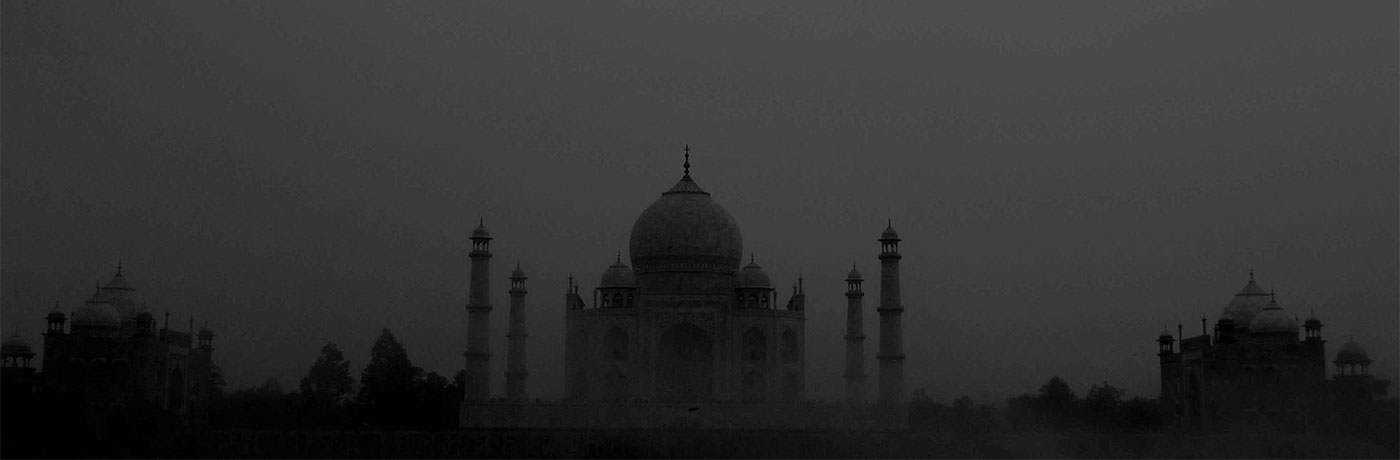
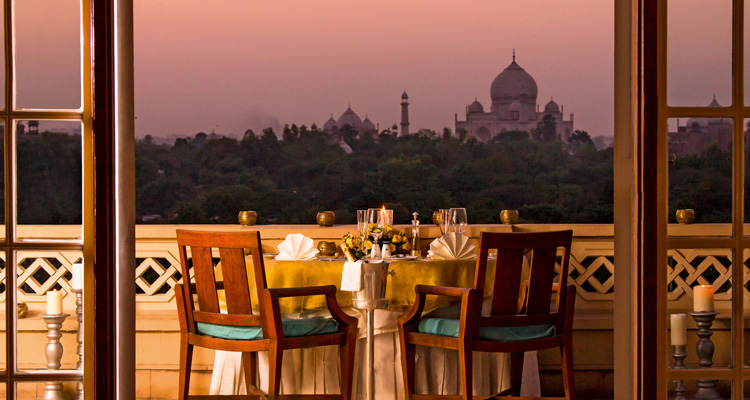
Begin the morning with the Taj Mahal, the white-marble mausoleum commissioned by Emperor Shah Jahan in memory of Mumtaz Mahal. Entering through the monumental gateway provides the classic first view across the formal garden towards the mausoleum. Although the Taj is instantly recognisable from photographs, seeing it at close range reveals details that are easily overlooked, including stone inlay, carved marble, calligraphy and the carefully balanced relationship between the main structure and its surrounding buildings.
Continue the Agra heritage programme with Agra Fort, where enormous red sandstone walls enclose a complex of royal residences, audience halls and courtyards. Several Mughal emperors contributed to the fort, and its architecture reflects changes in imperial taste over time. The relationship between Agra Fort and the Taj Mahal also adds historical depth to the morning, particularly through the story of Shah Jahan's final years.
After completing the Agra sightseeing, continue towards Orchha, a historic town associated with the Bundela rulers. On arrival, transfer to the hotel and settle in for the evening. Orchha's smaller scale, riverside surroundings and collection of palaces and temples create an immediate contrast with Agra. Rather than functioning simply as a transit stop on the way to Khajuraho, the overnight stay gives this important central Indian heritage town its own place within the itinerary.
Overnight stay in Orchha
Start the morning among the historic monuments of Orchha, where palaces, temples and cenotaphs rise above a relatively compact settlement beside the Betwa River. Visit the principal palace complex, whose architecture reflects the history of the Bundela rulers. Courtyards, towers and surviving decorative elements provide an insight into a regional royal tradition quite distinct from both the Rajput architecture of Jaipur and the Mughal buildings of Agra.
Continue through selected heritage areas and see the temple architecture that contributes to Orchha's distinctive skyline. The town's appeal comes partly from the relationship between its monuments and surrounding landscape. Large historical structures stand close to quieter streets and river scenery, allowing the destination to retain an atmosphere very different from India's major heritage cities.
Later, leave Orchha and travel towards Khajuraho. On arrival, check into the hotel and enjoy a relaxed evening before the detailed temple visit scheduled for the next day. The progression from Orchha to Khajuraho also marks another change in historical period and artistic style, preparing travellers for the highly developed temple architecture associated with the Chandela dynasty.
Overnight stay in Khajuraho
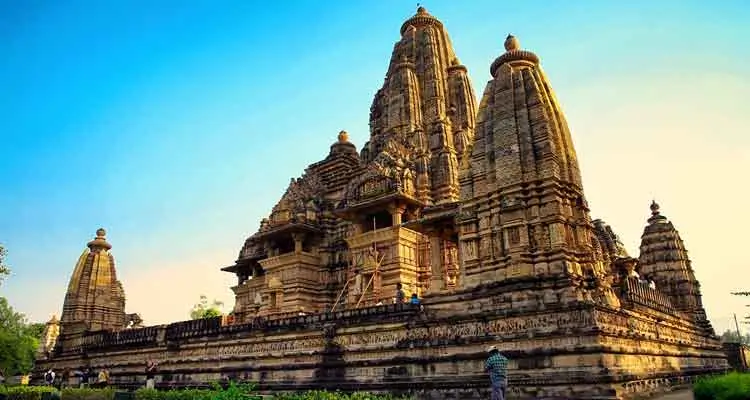
Begin with the celebrated Khajuraho temple complexes, constructed primarily during the period of Chandela rule. The surviving temples are recognised for their harmonious proportions, elevated platforms, soaring towers and exceptionally detailed stone sculpture. Although certain sculptural panels have become internationally famous, they form only a small part of a much wider artistic programme that includes deities, musicians, dancers, celestial figures, animals and scenes connected with everyday life.
Spend sufficient time examining the architecture rather than viewing Khajuraho only through the reputation of its sculptures. The temples demonstrate remarkable control over proportion and vertical composition, with architectural forms rising progressively towards the principal towers. Detailed carving covers much of the exterior surfaces without overwhelming the overall structural balance. Together, these qualities make Khajuraho one of the most important temple destinations included in a cultural journey through northern and central India.
After completing the sightseeing, proceed according to the confirmed transport arrangements towards Varanasi. Depending on the final package operation, this sector may involve an appropriate road, rail or air connection. On arrival, transfer to the hotel for a two-night stay. The shift from Khajuraho's preserved temple complexes to the continuously active sacred landscape of Varanasi creates one of the strongest cultural transitions of the entire itinerary.
Overnight stay in Varanasi
Begin the day with time to understand Varanasi, one of India's most important pilgrimage cities. Unlike destinations where historic buildings form the principal attraction, Varanasi is defined by the relationship between the city and the River Ganges. A dense network of lanes leads towards numerous ghats, temples, shrines and neighbourhoods where religious practice forms part of everyday life.
Walk through selected sections of the old city and riverfront with an understanding that Varanasi is an active sacred environment rather than an open-air museum. Pilgrims arrive for prayers and ritual bathing, priests conduct ceremonies, boats move along the river and local communities continue their normal routines around the ghats. This concentration of religious activity gives the destination an intensity unlike Jaipur, Agra, Orchha or Khajuraho.
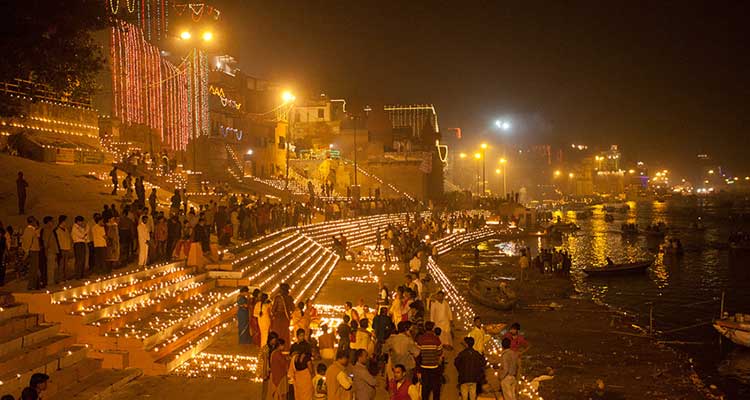
Towards evening, proceed to the riverfront to witness the Ganga Aarti, subject to local conditions and access arrangements. Priests perform a coordinated ritual using lamps, incense, bells and traditional chants as large numbers of worshippers gather along the ghats and on boats. The ceremony is visually impressive, but its deeper significance comes from the continuing religious importance of the Ganges. Return to the hotel after the ceremony.
Overnight stay in Varanasi
Rise early for one of the most memorable parts of the journey: the Ganges at sunrise. Subject to river and weather conditions, take a traditional boat ride along the ghats as morning activity begins. The atmosphere differs considerably from the previous evening. Instead of the concentrated spectacle of the Ganga Aarti, dawn reveals quieter rituals, pilgrims entering the water, temple activity and the gradual awakening of neighbourhoods along the riverbank.
Viewing Varanasi from the water also makes the physical structure of the historic riverfront easier to understand. Ghats rise continuously along the bank, with temples, old residences and other buildings creating a layered architectural frontage. Morning light changes the appearance of the river and stone steps, while the slower pace provides time to observe details that can be difficult to notice during the busier evening period.
Return to the hotel for breakfast and prepare for the onward journey. Transfer according to the confirmed arrangements for travel from Varanasi to Delhi, followed by the appropriate airport connection or onward programme. The nine-day route closes after linking Rajasthan's royal capital with Mughal Agra, Bundela Orchha, the sculptural temples of Khajuraho and the living religious traditions of the Ganges.
10 Nights / 11 Days
Delhi - Jaipur - Agra - Khajuraho - Varanasi - Delhi
14 Nights / 15 Days
Delhi – Agra – Fatehpur Sikri – Abhaneri – Jaipur – Pushkar – Jodhpur – Jaisalmer – Sam Sand Dunes – Bikaner – Mandawa – Delhi
09 Nights / 10 Days
Delhi – Samode – Jaipur – Jodhpur – Narlai – Ranakpur – Udaipur
13 Nights / 14 Days
Delhi - Varanasi - Agra - Jaipur - Jodhpur - Udaipur - Delhi