Your Travel Partner
SINCE 1989
Your Travel Partner
SINCE 1989
Jaipur – Salasar Balaji – Bikaner – Deshnok – Pushkar – Ajmer Sharif – Udaipur – Nathdwara – Eklingji – Ranakpur – Mount Abu – Udaipur
Faith in Rajasthan is expressed through many traditions rather than a single pilgrimage path. Temple towns, Sufi shrines, Jain sanctuaries and historic centres of Hindu worship are spread across the state, often separated by very different landscapes. The Rajasthan Pilgrimage Tour 10 Days connects several of these important places in one private journey, travelling from Jaipur through Salasar Balaji and Bikaner to Pushkar, Ajmer, Udaipur, Nathdwara, Eklingji, Ranakpur and Mount Abu.
The route begins with two nights in Jaipur, providing a comfortable arrival as well as an introduction to the religious and royal character of Rajasthan's capital. From here, the journey turns towards Salasar Balaji, an important Hanuman pilgrimage centre, before continuing to Bikaner. The next stage includes Deshnok's Karni Mata Temple, one of Rajasthan's most distinctive places of worship, before reaching Pushkar.
Two nights in Pushkar allow the pilgrimage experience to slow down. The sacred lake, surrounding ghats and Brahma Temple form the spiritual centre of the town, while nearby Ajmer introduces another religious tradition through Ajmer Sharif Dargah. Including both places within the same route reflects the religious diversity that has shaped Rajasthan for centuries.
The southern section is centred around Udaipur and the Mewar region. Nathdwara, associated with Shrinathji, remains one of the most important Krishna pilgrimage centres in Rajasthan. Eklingji Temple carries a deep connection with the rulers of Mewar, while Ranakpur introduces the extraordinary marble architecture of Jain devotion. These visits are not simply architectural stops; each remains connected with living religious practices, schedules and customs.
The journey reaches the Aravalli heights at Mount Abu, where the celebrated Dilwara Jain Temples represent some of India's finest marble craftsmanship. Two nights at the hill station provide enough time to visit the temples without making Mount Abu a hurried excursion. The tour then returns to Udaipur for departure.
Designed for travellers seeking Rajasthan pilgrimage tour packages, this itinerary balances worship, religious heritage and practical travel. Temple opening hours, darshan arrangements, festival crowds and local regulations can affect the exact sequence on individual days, so the programme retains appropriate flexibility while preserving all major destinations on the route.
Arrive in Jaipur, where you will be met and transferred privately to the hotel. The first day is intentionally kept comfortable so that travellers can settle in before beginning a route containing several important pilgrimage centres. Since religious visits often work around specific opening and darshan timings, beginning with an overnight stay also provides flexibility for the programme ahead.
After check-in, spend some time resting before taking a gentle introduction to Jaipur according to the arrival schedule. A visit to a suitable local temple or a drive through the historic Pink City may be arranged where timing permits. The aim is not to crowd the first day with monuments but to establish a calm beginning to the pilgrimage.
The evening remains free for personal prayer, rest or a short walk around the surrounding area. Over the coming days, the journey will include Hindu, Jain and Sufi sacred places, and respectful observance of local customs will be important throughout.
Overnight stay in Jaipur.
Begin the day with selected religious and cultural landmarks of Jaipur. Depending on temple timings and the confirmed programme, the morning can include one of the city's established places of worship before continuing towards its better-known royal heritage. Jaipur's sacred spaces form part of a wider urban landscape where temples, palaces and traditional markets have coexisted for generations.
Continue towards Amber, where the historic fortified settlement and surrounding temples provide context for the Kachwaha rulers who governed the region. The royal history of Jaipur was closely intertwined with religious patronage, and this relationship can be seen in the placement of shrines and temples within and around former royal complexes.
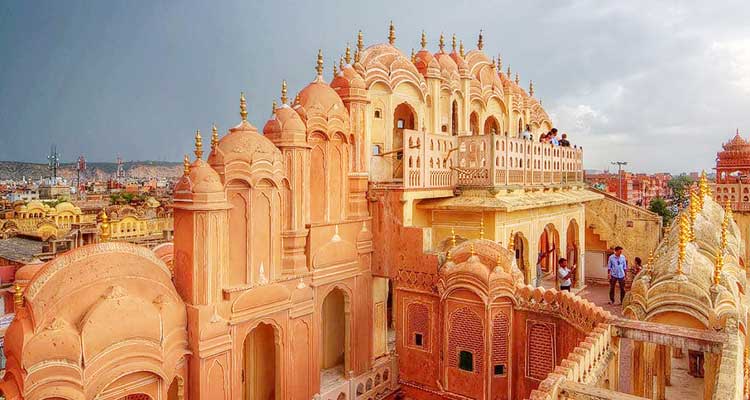
Return to central Jaipur and spend the later part of the day around the historic city. Depending on available time, see landmarks such as Hawa Mahal from the surrounding street and walk through selected bazaars. Keeping a second night in Jaipur avoids beginning the pilgrimage with an immediate long road journey and allows a more settled start.
Overnight stay in Jaipur.
Leave Jaipur after breakfast and travel towards Salasar Balaji, one of Rajasthan's prominent pilgrimage centres dedicated to Lord Hanuman. Devotees arrive throughout the year, and the atmosphere can become particularly busy on auspicious days and during religious festivals. The actual time required for darshan therefore depends on crowd levels and temple arrangements.
Visit the Salasar Balaji Temple in accordance with the applicable entry and darshan procedures. Travellers should dress respectfully and follow local guidance regarding footwear, belongings and photography. Rather than imposing a rigid sightseeing timetable, sufficient flexibility is retained so that the religious visit can remain the priority of this section of the day.
Continue towards Bikaner after completing the visit. On arrival, check into the hotel and rest following the road journey. If time remains, take a short orientation through the city, but the schedule avoids adding unnecessary sightseeing after a day centred on Salasar.
Overnight stay in Bikaner
After breakfast, leave Bikaner and travel to Deshnok, home to the famous Karni Mata Temple. The shrine is among Rajasthan's most unusual religious sites and is particularly known for the large population of rats living within the temple complex, which devotees traditionally regard with reverence.
Enter the temple according to local customs and observe the shrine respectfully. As with other active pilgrimage places, visitors should remember that the temple is first and foremost a place of worship rather than simply a tourist attraction. Footwear restrictions and other entry procedures apply, and photography should only be undertaken where permitted.
Continue afterwards towards Pushkar, one of India's historic pilgrimage towns. On arrival, check into the hotel for a two-night stay. If the schedule permits, walk towards Pushkar Lake in the evening and experience the atmosphere around the ghats without attempting to complete the main pilgrimage visits immediately after the longer transfer.
Overnight stay in Pushkar.
Begin the morning at Pushkar Lake, the spiritual centre around which the town developed. Numerous ghats descend towards the water, and pilgrims visit for prayers and ritual bathing. Spend time observing the religious atmosphere while following local etiquette, particularly concerning footwear, photography and ceremonies taking place close to the lake.
Continue to the celebrated Brahma Temple, the religious landmark most closely identified with Pushkar. The temple attracts devotees from across India and can become busy during religious occasions. Darshan should therefore be approached with patience, allowing the actual temple conditions to determine the pace rather than treating the visit as a fixed-duration sightseeing stop.
Spend the later part of the day walking through Pushkar's compact streets and visiting other religious places according to interest and available time. The second night is valuable because it allows the sacred town to be appreciated beyond a quick lake-and-temple stop. Evening time can again be spent around the ghats where appropriate.
Overnight stay in Pushkar
Leave Pushkar and make the short journey towards Ajmer, where the principal visit is Ajmer Sharif Dargah, the shrine associated with the Sufi saint Khwaja Moinuddin Chishti. The dargah is one of India's major Sufi pilgrimage centres and attracts visitors from different communities, making it an important part of the religious diversity represented within this itinerary.
Proceed towards the shrine through the busy surrounding lanes and follow the local procedures for entry. The atmosphere can be intense during busy periods, with large numbers of pilgrims moving through relatively compact spaces. Modest dress and respectful behaviour are important, while personal belongings should be managed carefully in crowded areas.
After the Ajmer visit, continue south towards Udaipur. The road journey carries the tour into the Mewar region, where several important Hindu and Jain pilgrimage sites will be visited over the following days. Arrive in Udaipur, check into the hotel and rest after the transfer.
Overnight stay in Udaipur.
Begin according to the appropriate Shrinathji Temple darshan schedule and travel towards Nathdwara, an important centre of Krishna devotion. The temple is dedicated to Shrinathji, a form of Lord Krishna, and its daily worship follows established rituals and darshan periods rather than conventional tourist opening patterns.
Join the pilgrimage atmosphere around the temple and proceed for darshan according to the arrangements operating that day. Nathdwara's streets contain shops selling religious objects, devotional artwork and local products associated with temple culture. The town is particularly known for its connection with Pichwai painting, an artistic tradition closely linked with the worship of Shrinathji.
Return to Udaipur after the religious visit and use the remaining time for selected city heritage or personal leisure. Depending on the confirmed programme, travellers may spend time around the old city or lakefront. The day remains centred on Nathdwara rather than filling the afternoon with numerous unrelated monuments. .Overnight stay in Udaipur.
Leave Udaipur after breakfast and travel first towards Eklingji Temple, an important religious complex closely associated with the historical rulers of Mewar. The presiding deity is Shiva, worshipped here as Eklingji, and the temple occupies a significant place within the spiritual and political traditions of the region.
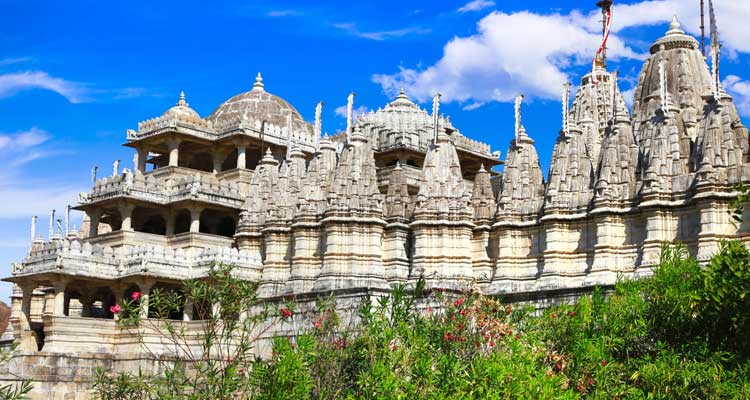
Continue from Eklingji through the Aravalli landscape towards Ranakpur. Visit the renowned Jain temple complex, where extensive marble carving covers pillars, domes and interior surfaces. Despite the extraordinary craftsmanship, Ranakpur remains an active religious site, and visitors must follow the applicable rules relating to temple access, clothing, photography and permitted items.
Proceed afterwards towards Mount Abu, Rajasthan's well-known hill station. The climb into the hills creates a marked change in landscape and climate compared with the plains crossed earlier. On arrival, check into the hotel for a two-night stay and keep the evening relaxed after a day containing two significant religious visits and a substantial road journey.
Overnight stay in Mount Abu.
Begin the day with the Dilwara Jain Temples, the principal pilgrimage and architectural highlight of Mount Abu. The temple group is renowned for extraordinarily intricate marble workmanship, with ceilings, pillars, doorways and ornamental surfaces carved to a level of detail that can appear almost delicate despite being executed in stone.
The temples should be approached primarily as sacred spaces. Access procedures, photography restrictions, opening hours and visitor rules must be respected, and these can affect how the visit is organised. Taking time to observe the carving closely reveals the remarkable technical skill behind the architecture and explains why Dilwara occupies such an important place within India's Jain heritage.
Spend the remainder of the day around Mount Abu at a comfortable pace. Depending on interest and available time, selected local religious sites or the surroundings of Nakki Lake may be visited. The second night allows travellers to appreciate the hill setting rather than driving back to Udaipur immediately after the temple visit.
Overnight stay in Mount Abu.
Enjoy breakfast before leaving Mount Abu and beginning the drive back towards Udaipur. The descending route through the Aravalli region marks the final road section of a pilgrimage that has crossed very different parts of Rajasthan, from Jaipur and the northern plains to Pushkar, Mewar and the state's only major hill station.
Travel directly towards Udaipur according to the onward flight, train or other confirmed departure arrangements. Adequate travel time should be allowed when scheduling the final connection because the journey begins outside Udaipur and road conditions can influence transfer duration.
The ten-day route brings together Salasar Balaji, Karni Mata Temple, Pushkar Lake, Brahma Temple, Ajmer Sharif, Shrinathji at Nathdwara, Eklingji, Ranakpur and Dilwara Temples within one organised circuit. Rather than presenting Rajasthan only through forts and palaces, the journey follows the living traditions of worship that continue to shape the state's towns, communities and cultural landscape.
14 Nights / 15 Days
Delhi – Nawalgarh – Bikaner – Deshnok – Jaisalmer – Jodhpur – Ranakpur – Udaipur – Chittorgarh – Pushkar – Jaipur – Fatehpur Sikri – Agra – Delhi