Your Travel Partner
SINCE 1989
Your Travel Partner
SINCE 1989
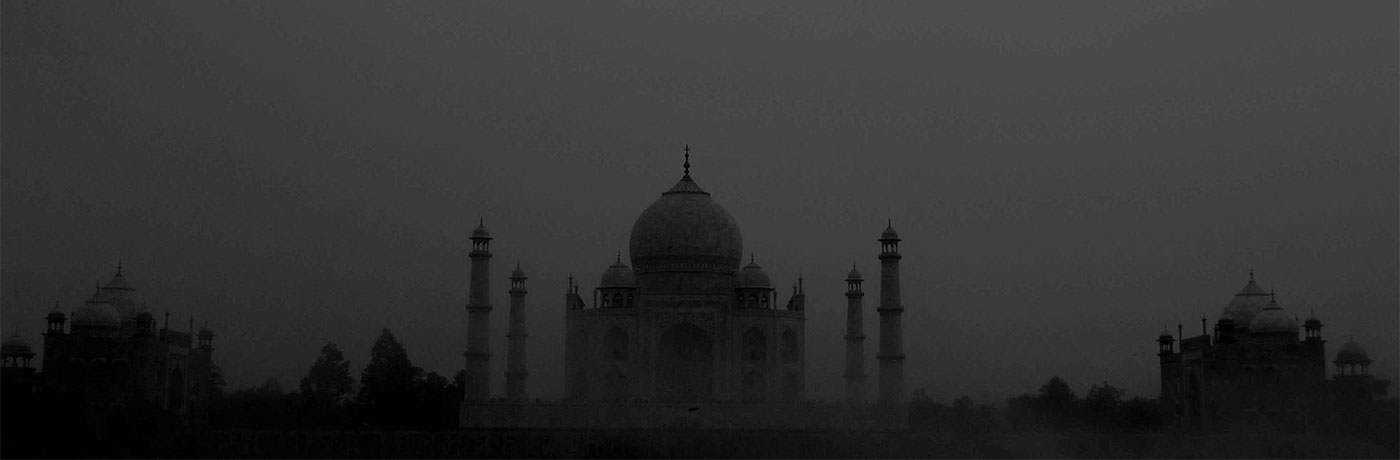
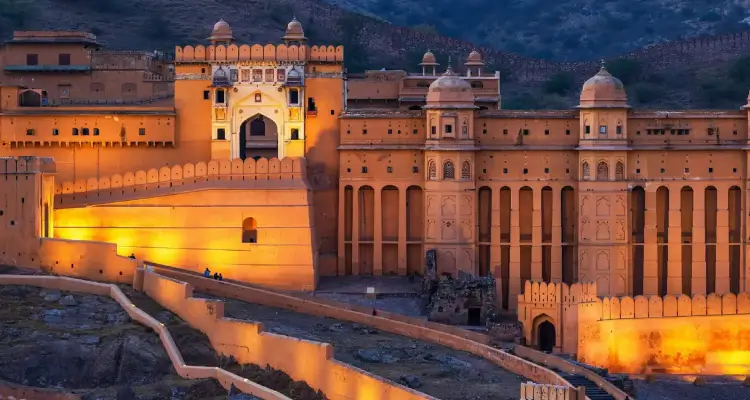
Bespoke luxury travel in India begins with a simple idea: the traveler should not have to fit into somebody else's fixed itinerary. The route, hotels, transportation, sightseeing pace, guides and special arrangements should be built around the people taking the journey.
That difference becomes particularly important in India. A first-time visitor may want Delhi, the Taj Mahal and Rajasthan, while a returning traveler may prefer smaller heritage towns, wildlife reserves and slower stays at palace hotels. A couple celebrating a milestone may care more about beautiful accommodation and private dining than visiting ten monuments every day. A family may need larger rooms, a spacious vehicle and flexible mornings. Senior travelers may prefer fewer hotel changes and shorter road sectors.
A properly arranged bespoke luxury India tour can accommodate these differences because the journey is created from individual requirements rather than sold as a fixed departure.
The word bespoke, however, is widely used. Changing one hotel in a standard itinerary does not automatically make a journey genuinely customized. Real customization requires decisions about the route itself: which destinations belong together, how many nights each deserves, when road travel becomes excessive, which hotel is suitable for each stop, where a professional guide adds value and where unscheduled time is more valuable than another excursion.
Travel Plan handles private India journeys around this individual approach. The traveler can specify the destinations and services already important to them, or the route can be developed from broader preferences such as history, wildlife, luxury hotels, photography, food, architecture or a special occasion.
The strongest bespoke journeys often contain fewer elements than expected. Luxury is not measured by how many places can be fitted into a holiday. It is measured by how well the journey works from one day to the next.
The first serious decision in custom luxury travel in India is not the hotel. It is the route.
India is enormous, and one of the easiest mistakes is assuming that every famous destination can comfortably fit into one holiday. Delhi, Agra, Jaipur, Jodhpur, Udaipur, Jaisalmer, Ranthambore, Varanasi, Mumbai and Kerala may all be appealing, but combining them indiscriminately can create a holiday dominated by check-outs, airports and road transfers.
A bespoke journey begins by establishing the traveler's available time and priorities.
For a first visit of roughly ten to fourteen nights, Delhi, Agra and Rajasthan can form a strong cultural route. Delhi provides several layers of Indian history, Agra brings the Taj Mahal and Mughal heritage, Jaipur introduces royal Rajasthan, while Jodhpur and Udaipur take the journey deeper into the state's fort, palace and lake landscapes.
That does not mean every Rajasthan city must be included.
Jaisalmer is extraordinary, but its western location adds substantial travel. A traveler with limited time may prefer to stay longer in Jaipur, Jodhpur and Udaipur rather than spend additional hours reaching Jaisalmer merely to add another destination to the list.
Ranthambore can be introduced when wildlife is important. The reserve works particularly well with North India itineraries because it can be combined with Delhi, Agra and Jaipur. A serious wildlife component should normally include multiple safari opportunities rather than one rushed drive.
Varanasi requires another decision. It is geographically separate from the main Rajasthan road route, so a domestic flight can often be more practical than forcing the destination into a continuous chauffeur itinerary.
South India works differently again. Tamil Nadu, Kerala and Karnataka have their own logical travel corridors, climate considerations and road patterns. A guest interested in temples, tropical landscapes, heritage hotels and slower coastal travel may be better served by a dedicated South India private journey than by attaching a few southern destinations to a rushed North India itinerary.
The traveler's interests should influence the number of nights as much as geography.
Someone passionate about Mughal history may want more time in Delhi and Agra. A traveler interested in Rajasthan's royal architecture may appreciate extra nights in Jaipur and Udaipur. Photographers may need early mornings and free periods around sunset. Food-focused travelers need space in the schedule for markets and carefully selected dining.
Special occasions create another set of priorities.
An anniversary journey does not need sightseeing from morning until evening. A private dinner, a slower afternoon at a palace hotel and a beautiful room can be more meaningful than another three monuments.
Families may want a late morning after a long international flight. Senior travelers may prefer a two-night minimum in most destinations. Travelers arriving from the United States or Canada may need a gentle first day because of the long flight and significant time-zone change.
A capable bespoke India travel company should take these factors seriously.
There should also be honest conversations about driving time. A route that looks compact on a map may involve several hours on Indian roads. Private chauffeur travel is comfortable, but repeated long drives can still become tiring.
The strongest itinerary is therefore not the one containing the most destinations. It is the one in which transfers, sightseeing and hotel time remain balanced throughout the journey.
Accommodation is one of the most personal elements of a tailor-made luxury India holiday. Two travelers paying the same overall amount may prefer completely different hotel styles.
Some want internationally recognised luxury brands with highly consistent service. Others want historic palaces and heritage properties with a stronger sense of place. Wildlife travelers may prefer intimate lodges, while guests ending their journey in Rajasthan may want a resort where they can spend an entire day without sightseeing.
India can accommodate all of these preferences.
In Agra, The Oberoi Amarvilas is positioned approximately 600 metres from the Taj Mahal and is particularly known for views toward the monument from rooms and suites. For travelers placing the Taj Mahal at the emotional centre of their journey, this can make the accommodation itself part of the visit.
In Jaipur, Rambagh Palace provides a completely different atmosphere. The property has a royal history and now operates as a Taj palace hotel. Staying there can complement the city's forts and palaces rather than simply providing somewhere luxurious to sleep.
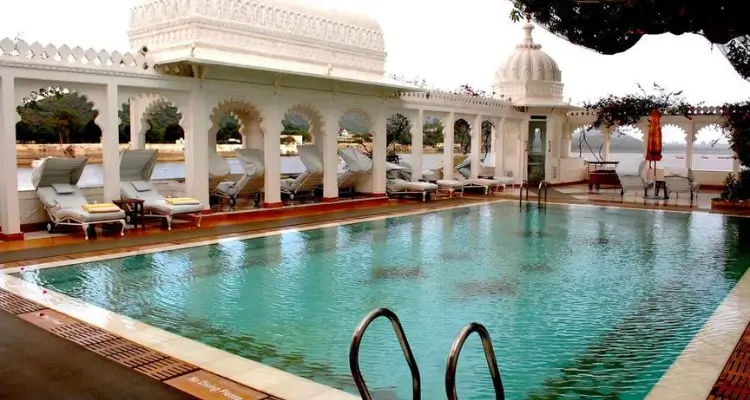
Udaipur presents several distinctive high-end choices. The Oberoi Udaivilas offers extensive grounds and a lakeside setting, while Taj Lake Palace occupies its famous position on Lake Pichola. Each creates a different experience despite both belonging to the luxury category.
Travelers seeking quieter Rajasthan luxury can also consider properties outside the major city centres, but location should be evaluated carefully. A secluded resort can be excellent for relaxation while being less convenient for intensive sightseeing.
The same principle applies in Delhi.
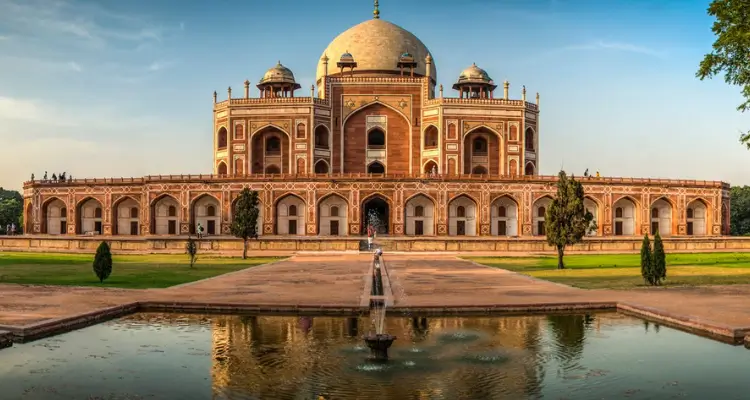
An international traveler staying only one night before an early flight may value airport access and operational convenience. Someone spending three days visiting Old Delhi, Humayun's Tomb, Qutub Minar and central New Delhi may place greater importance on a well-located luxury city hotel.
Room categories matter enormously at this level.
A quotation stating only the hotel name can still leave an important question unanswered. Entry-level rooms, palace rooms, lake-view rooms, suites and private-pool accommodations can have dramatically different prices.
A luxury India travel quotation should identify the proposed room category whenever it materially affects the cost.
The length of stay should also reflect the quality of the hotel.
There is little value in paying a premium for an extraordinary resort if the traveler checks in late and leaves before breakfast. When a hotel is one of the major reasons for visiting a destination, the itinerary should protect time to enjoy it.
Udaipur is an obvious example. A three-night stay can provide one strong sightseeing day while leaving another part of the visit for the hotel, lake and a slower meal. Jaipur can similarly support an additional night for travelers who want both extensive sightseeing and time at a palace property.
Travel Plan can combine different accommodation styles within the same journey. The guest does not need to use the most expensive hotel in every city. Spending more where the property significantly changes the experience and selecting restrained luxury elsewhere can produce a better-balanced budget.
Transportation is the operational backbone of private luxury travel in India.
For routes across Delhi, Agra and Rajasthan, a chauffeur-driven vehicle can remain with guests through several destinations, eliminating the need to arrange a new taxi for every transfer.
Vehicle selection should be based on comfort and luggage rather than passenger count alone.
A couple may technically fit inside a sedan, but a spacious Toyota Innova-class vehicle can be more comfortable for repeated intercity journeys. Travelers seeking a higher-end road experience can request premium SUVs or luxury sedans where appropriate.
Families and private groups require even more attention to luggage capacity. A vehicle that seats everyone but cannot accommodate their suitcases comfortably is not the right vehicle.
The private chauffeur in India should be experienced with long-distance tourist routes, hotels and airport procedures. Punctuality, cleanliness, safe driving and professional conduct matter more during a two-week journey than superficial extras.
The chauffeur should not automatically replace a professional guide.
Local guides can join in destinations where historical interpretation is worthwhile. Delhi, Agra, Jaipur, Jodhpur, Udaipur and Varanasi all benefit from specialist knowledge.
A bespoke arrangement allows the traveler to decide how much guiding is wanted.
Someone fascinated by history may want full-day private guides. Another guest may prefer a guide for Amber Fort and City Palace but keep the evening free. Repeat visitors may want specialist walks instead of conventional monument touring.
Foreign-language guides can also be requested, subject to availability.
The guide should know the traveler's interests before the visit. A photographer requires a different style of guiding from a traveler interested in religious history. Families with children need explanations delivered differently from academic travelers.
Shopping should also be discussed openly.
India's textiles, jewellery, carpets, miniature painting, block printing, marble inlay and other crafts can be genuinely interesting. Travelers who want to buy should be taken to suitable businesses. Travelers who do not want shopping should not lose sightseeing time to compulsory commercial stops.
Airport transfers, railway stations and domestic flights need the same coordination.
A route combining Rajasthan and Varanasi, for example, may require road travel followed by a domestic flight. The ground team should know the flight details, airport reporting time and arrival transfer arrangement.
When these elements work correctly, the traveler rarely thinks about them.
That is precisely the point.
The cost of bespoke luxury travel in India depends far more on hotel selection and service level than on the number of days alone.
For two international travelers, a comfortable private journey with quality accommodation, chauffeur-driven transportation and professional guiding can reasonably begin around US$300 to US$500 per person per day on a higher-side working budget.
A stronger five-star private journey can move toward approximately US$500 to US$850 per person per day, particularly when premium hotels, private guides, quality transportation and selected paid activities are included.
Travelers choosing leading palace hotels, premium suites, luxury wildlife lodges and specialist arrangements should be prepared for approximately US$850 to US$1,500+ per person per day.
At the highest level, costs can rise beyond US$2,000 per person per day, particularly when signature suites, the most exclusive accommodation categories, premium vehicles and highly personalized services are involved.
A two-week bespoke holiday for two people can therefore vary from approximately US$10,000–US$15,000 for comfortable upscale private travel to US$25,000–US$40,000 or considerably more for a high-end luxury journey.
The figures are budgeting references rather than fixed prices.
Season matters substantially.
Premium hotels can increase rates sharply during high-demand periods. Christmas and New Year dates can involve compulsory festive supplements at some properties. Wildlife accommodation and limited premium room categories can also sell out.
The route influences cost too.
A road-based Delhi–Agra–Rajasthan journey has different transport economics from a route requiring several domestic flights. Adding Varanasi, Mumbai or South India can increase flight and transfer costs.
Wildlife introduces safari charges and specialized lodge pricing.
Guide language can affect professional fees. Premium vehicle upgrades can add another substantial amount.
The quotation should therefore show enough detail for the traveler to see where the money is going.
A custom India tour cost should not be presented as a mysterious lump sum if the client is paying for high-value services. Hotel names, room categories where relevant, meal basis, vehicle category, guide arrangements, transfers and major included experiences should be identifiable.
The same applies to exclusions.
If monument tickets, lunches, dinners, gratuities or domestic flights are not included, the traveler should know before confirmation.
The temptation when arranging an expensive holiday is to fill every available hour. That can work against the very reason a traveler selected private luxury travel.
A good customized India itinerary should contain space.
Delhi can be intense after a long international journey. A guest landing in the early hours does not necessarily need a full sightseeing program immediately after hotel check-in.
Jaipur can easily fill a day with Amber Fort, City Palace, Jantar Mantar and old-city areas, but adding several more stops may make the day feel mechanical.
Udaipur can be more rewarding when there is time to sit beside Lake Pichola rather than moving continuously between attractions.
Palace hotels deserve free time. Luxury resorts deserve free time. Couples celebrating an anniversary deserve evenings that are not dictated by a guide's schedule.
Customization also means responding to the guest during the journey where operationally possible.
If travelers are tired after several days of sightseeing, a private arrangement can sometimes shorten the following day's program. If they become particularly interested in textiles or architecture, more time can be devoted to that interest.
Not every service can be changed without cost. Flights, safaris and hotels may have fixed reservations. Monument hours and official regulations cannot be altered for private travelers.
But the daily experience should still feel substantially more flexible than a group departure.
Travel Plan can structure the journey around this balance: enough organization to make complex travel run smoothly, with enough breathing room for the trip to remain enjoyable.
Bespoke luxury travel in India means the route, hotels, transportation, guides and major services are selected around the individual traveler rather than requiring the guest to follow a fixed group itinerary.
A standard private tour may simply operate a fixed itinerary exclusively for one booking. A genuinely bespoke journey can change the destinations, number of nights, accommodation level, sightseeing pace and service structure according to the traveler's requirements.
A strong five-star private journey can commonly require around US$500–US$850 per person per day, while high-end palace-hotel travel may reach approximately US$850–US$1,500+ per person per day. Exceptional suites and specialized services can increase the figure substantially.
Yes. Travelers can request specific hotels, ask the operator to recommend properties or combine both approaches. Final confirmation remains subject to availability and the agreed budget.
Yes. Mixing accommodation categories is often sensible. A traveler may spend heavily on a palace hotel in Jaipur and a lakeside luxury property in Udaipur while choosing more restrained five-star accommodation elsewhere.
On road-based routes such as Delhi, Agra and Rajasthan, the same private chauffeur-driven vehicle can often remain with guests for the relevant touring sector. The exact arrangement should be confirmed in the quotation.
Yes. Guides can be arranged city by city. Travelers may use detailed private guiding in Delhi, Agra and Jaipur while leaving other destinations less structured.
Yes. Ranthambore and other major wildlife reserves can be combined with cultural travel. Safari availability should be addressed early because reservations are controlled and sightings of wild animals can never be guaranteed.
Yes. Private travel is particularly useful when the pace, room configuration, vehicle size and daily schedule need to match individual requirements. Longer stays and fewer hotel changes can make the journey considerably more comfortable.
Yes. Travel Plan can arrange bespoke private travel in India around the guest's destinations, hotel preferences, budget, interests and preferred pace, combining chauffeur-driven transportation, accommodation, professional guides, transfers and additional services according to the final itinerary.