Your Travel Partner
SINCE 1989
Your Travel Partner
SINCE 1989

A private India tour with 5-star hotels is designed for travelers who want to see India without sacrificing privacy, comfort or dependable service between destinations. The hotel is important, but it represents only one part of the journey. A well-arranged private tour also needs comfortable airport transfers, a professional chauffeur, an appropriate vehicle, knowledgeable local guides, realistic driving schedules and someone coordinating the arrangements while the traveler moves from one city to another. When these services work together properly, India can be remarkably comfortable even on a journey covering several destinations.
The term “5-star India tour” can nevertheless be misleading because five-star hotels in India cover a broad range. A modern international business hotel, an elegant city resort, a historic palace and an ultra-luxury property overlooking the Taj Mahal can all sit within the premium market while charging dramatically different rates. A quotation describing accommodation only as “5-star hotels” therefore tells an international traveler very little about the actual standard being purchased. Hotel names, locations, room categories and meal arrangements matter.
The same applies to transportation. A low-cost sedan and a spacious premium touring vehicle are both technically private cars, yet they provide very different levels of comfort on a five-hour road journey. A driver who simply transfers passengers between cities also provides a different service from an experienced chauffeur accustomed to handling international guests over a multi-city itinerary.
Travel Plan can coordinate private luxury tours in India with 5-star hotels, chauffeur-driven transportation and professional local guides according to the traveler's route and preferred comfort level. Before confirming any such journey, however, travelers should understand how hotel categories affect the price, what should appear in the quotation and which additional costs may remain outside the tour price.
A properly structured 5-star private tour of India begins before the first sightseeing visit. For an international traveler arriving after a long overnight flight, the airport arrival experience matters. A pre-arranged representative or chauffeur should have the correct flight information and pickup details, and the vehicle should be ready for the transfer to the hotel. The traveler should not land in an unfamiliar city and then need to negotiate transportation while carrying luggage and dealing with jet lag.
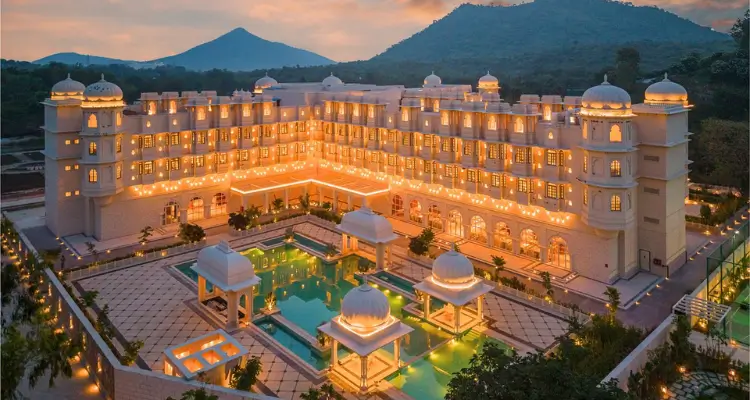
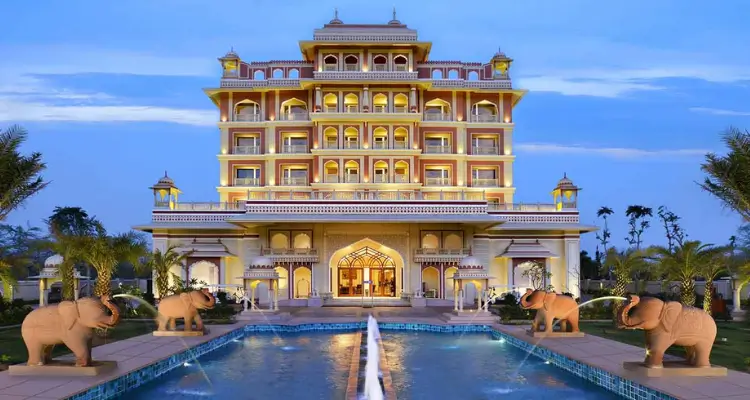
Accommodation should be specified by property rather than category alone. Delhi has numerous five-star hotels at different price points and locations. A guest staying in the city for three nights of intensive sightseeing may value central positioning, while someone staying only before an international departure might prefer a hotel that makes the airport transfer easier. In Agra, a traveler may decide that proximity to the Taj Mahal matters enough to justify paying substantially more for a premium property. Jaipur offers contemporary luxury hotels as well as palace properties, while Udaipur adds lakeside resorts and historic accommodation. The phrase “five-star” therefore needs to be translated into actual hotel names before a booking becomes meaningful.
Room category is equally important. An entry-level room at a prestigious hotel may cost considerably less than a premium-view room or suite. In destinations such as Agra and Udaipur, the view itself can influence the room rate. If a traveler has requested a Taj-facing room, lake-facing accommodation, suite or private-pool category, the quotation should state that category instead of relying on the hotel name alone.
Breakfast is commonly included in many premium India hotel arrangements, but lunch and dinner vary according to the booking. Some travelers prefer breakfast-only accommodation because they want to eat at restaurants outside the hotel. Others, particularly families or senior travelers, may value half-board arrangements in resorts or wildlife lodges. The meal basis should therefore appear clearly in the quotation.
A private chauffeur-driven vehicle is another major component. On routes such as Delhi–Agra–Jaipur–Jodhpur–Udaipur, road transportation allows travelers to move directly between hotels without repeated airport procedures. The vehicle should be selected according to passengers, luggage and journey length. Two adults can travel in a sedan, but an Innova-class vehicle may provide considerably better space for long drives. Families and small private groups may require a larger vehicle. Travelers who specifically want a luxury sedan or premium SUV should request it rather than assuming that a five-star hotel itinerary automatically includes a luxury-brand car.
Professional local guides should also be considered separately from the driver. A chauffeur handles transportation and road logistics; a guide interprets the history, architecture and culture of the destination. In Delhi, Agra and Jaipur, this distinction is especially valuable because the major monuments have enough historical depth to justify specialist guiding. Guides can also be arranged in Jodhpur, Udaipur, Varanasi and other destinations according to the itinerary.
Airport transfers, railway transfers and domestic-flight transfers should be clearly identified. If a traveler flies from Udaipur to Mumbai or from Delhi to Varanasi, the itinerary should explain who handles the transfer at each end. A professionally operated private India luxury tour should feel continuous even when different local teams are involved.
Discover India with a personalized private tour featuring luxury 5-star hotels, private transfers, and unforgettable experiences. Get a customized itinerary tailored to your travel style and budget.
The cost of a private India tour with 5-star hotels depends heavily on the exact properties selected. It is entirely possible for two quotations covering the same cities and number of nights to differ by several thousand dollars while both are correctly priced. Hotel selection, season, room category, vehicle standard, guide services and included entrance fees can all change the total.
For two international travelers sharing one room, a useful higher-side working budget for a private journey using good five-star hotels can begin at approximately US$450 to US$750 per person per day when accommodation, breakfast, private road transportation, airport transfers and professional guiding in major cities form part of the service. A more premium itinerary using celebrated luxury hotels and palace properties can move toward approximately US$750 to US$1,200 per person per day. When leading palace hotels, premium suites, luxury wildlife lodges and upgraded transportation are selected, costs can exceed US$1,200 to US$2,000 per person per day.
For a couple taking a 12-night private journey, that can mean a total budget of approximately US$11,000 to US$18,000 for a strong five-star experience, with significantly higher figures possible when the hotel list includes India's most prestigious properties. These are sensible higher-side budgeting figures rather than fixed Travel Plan tariffs because hotel rates fluctuate with dates and availability.
Accommodation can account for a large portion of the difference. Consider Agra. A traveler can stay in a reputable five-star property without paying the rates associated with the city's most exclusive accommodation. At the premium end, The Oberoi Amarvilas is positioned approximately 600 metres from the Taj Mahal and is particularly known for views toward the monument from its rooms and suites. A traveler selecting that property is paying not merely for a five-star room but for location, atmosphere and the relationship between the hotel and the primary reason for visiting Agra.
Jaipur creates a similar distinction. A modern five-star hotel can provide excellent rooms, restaurants and facilities at a relatively controlled cost. Rambagh Palace, by contrast, brings royal history and palace accommodation into the stay itself. The decision is not simply between a good and bad hotel; it is between different kinds of premium experience.
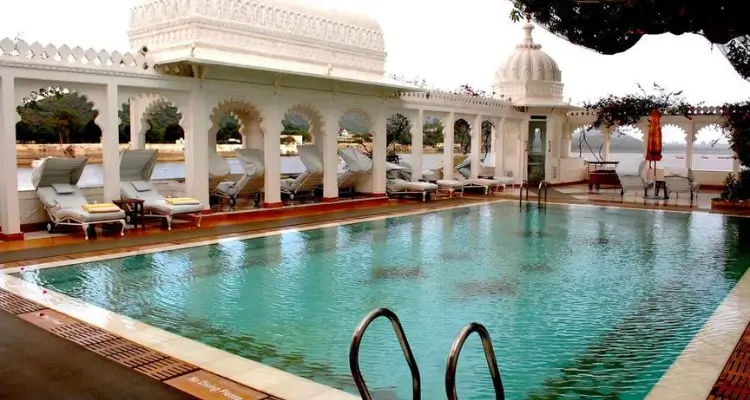
Udaipur can increase the gap further. A good five-star city hotel, a luxury resort and a celebrated property such as The Oberoi Udaivilas or Taj Lake Palace can occupy very different price levels. Room categories at these properties also vary substantially, meaning that two travelers staying at the same hotel may still have paid dramatically different rates.
Season influences these costs. Premium accommodation can become substantially more expensive during high-demand travel periods, festive dates and periods when international demand is strongest. Some luxury hotels may also impose special festive meal supplements around major holiday dates. A traveler comparing a summer quotation with one for peak winter travel should not expect identical pricing.
Domestic flights add another variable. A road-based Delhi, Agra and Rajasthan itinerary has a different cost structure from a journey that also includes Varanasi, Mumbai or South India. Airfare for two people may be manageable, but a family requiring four or five seats will see a larger impact.
The important point is that a 5-star India tour price should always be interpreted alongside its inclusions. A US$12,000 quotation that includes strong hotels, private transportation, professional guides and several admissions may provide better overall value than a US$9,000 quotation requiring substantial additional payments after arrival.
An expensive hotel is not automatically the right hotel for every stage of an India journey. The most effective luxury India itinerary uses accommodation strategically, spending more where the hotel materially improves the stay and avoiding unnecessary premiums where travelers will barely use the property.
Delhi illustrates the point. A guest arriving after midnight and leaving for Agra the following morning may not receive much value from paying for the city's most expensive suite. Someone spending three nights in Delhi, using the spa, dining at the property and returning between sightseeing sessions has a stronger reason to invest in the hotel.
Agra is different because the Taj Mahal is usually the main reason for staying. Travelers with a substantial budget may decide that a premium property close to the monument deserves extra expenditure even for a relatively short stay. Other travelers may prefer an excellent conventional five-star hotel and spend the savings on additional nights elsewhere.
Jaipur deserves at least two or three nights for many luxury travelers because the city has enough sightseeing to occupy a full day and enough hotel options to justify some leisure time. A palace hotel can work particularly well for couples celebrating a special occasion or travelers interested in Rajasthan's royal history. Families may instead place greater importance on room size, connecting-room availability, swimming pools and resort facilities.
Udaipur is a destination where adding a night can sometimes be more valuable than adding another city. A premium lakeside property is difficult to appreciate if the guest arrives late, spends the next day sightseeing and leaves early the following morning. Three nights can allow a combination of City Palace, Lake Pichola, local sightseeing and meaningful hotel time.
Ranthambore needs a different approach. Travelers adding wildlife should select accommodation according to the safari experience as well as the hotel itself. A luxury lodge may cost considerably more than a conventional hotel, but guests interested in wildlife may consider the setting and service worthwhile. Safari reservations, however, should be treated separately and confirmed rather than assumed to be included with the room.
The quotation should also avoid the vague phrase “hotel or similar” wherever possible. Sometimes a substitute is genuinely required because inventory changes, but the traveler should know the proposed hotel and the standard of any acceptable alternative. A substitution from one internationally recognised luxury property to a significantly cheaper hotel should not occur without explanation.
For Travel Plan, hotel selection can be matched to the guest's budget rather than using one rigid category throughout. A traveler might choose strong five-star hotels in Delhi and Jodhpur, spend more heavily in Agra and Jaipur and reserve the largest accommodation budget for Udaipur. That type of mixed approach can produce a more memorable private 5-star India holiday without paying maximum rates every night.
The difference between an attractive quotation and the real cost of the holiday often lies in the exclusions. International travelers should read this section carefully before paying for any private India tour with luxury hotels.
Monument entrance fees are the first common variable. Some companies include them; others allow guests to purchase tickets separately. Neither method is inherently wrong, but the traveler should know which applies. Major sightseeing days involving several paid attractions can create meaningful additional expenditure over a multi-city journey.
Guide services should also be specified. A phrase such as “sightseeing included” does not necessarily mean a professional private guide has been included. The quotation should indicate the cities in which guides will be provided and whether any foreign-language supplement applies.
Meals are another important consideration. Breakfast may be included with the hotel while lunch and dinner remain payable directly. This arrangement gives travelers freedom to select restaurants, but it also means the tour price does not represent the entire daily expenditure.
Gratuities are normally separate unless explicitly included. International travelers often tip chauffeurs, guides, hotel staff and other service professionals according to service quality and their own preferences. A traveler who wants a near-all-inclusive budget should ask the operator to explain which gratuities remain discretionary and outside the quoted price.
Domestic airfare requires careful checking because prices can change and baggage allowances differ by airline and fare type. If flights are included, travelers should ask what baggage allowance applies. Guests arriving internationally with large suitcases may have more luggage than the domestic fare permits.
Wildlife safari costs should never be assumed from the presence of Ranthambore or another national park in the itinerary. The quotation should specify the number of safari drives and the relevant arrangements. Wildlife sightings cannot be guaranteed regardless of accommodation or safari price.
Early check-in and late check-out can create another unexpected expense. International flights sometimes arrive in India very early in the morning. Standard hotel check-in may be much later. Travelers who want guaranteed immediate room access may need to reserve the room from the previous night, depending on the hotel and arrival time.
The same issue occurs with late departures. A flight leaving around midnight does not automatically mean the hotel room remains available until evening. A late checkout may be charged or subject to availability.
Special dinners, spa treatments, alcohol, personal shopping, laundry and optional activities are generally additional unless the itinerary says otherwise.
A detailed India luxury tour quotation should therefore contain an exclusion section that is just as clear as the inclusion section. Knowing what is not covered makes it possible to establish a realistic total budget before travelling.
Planning a luxury holiday in India? Let our travel experts help you compare costs, explore premium hotel options, and customize your private tour with transparent pricing and personalized service.
Once the traveler is satisfied with the route, the next stage is turning the proposal into a clearly defined booking. The final itinerary should show the number of nights in each destination, proposed hotels, room arrangements, transportation and major sightseeing services.
Hotel availability should then be checked for the actual travel dates. A beautiful itinerary is meaningless if the preferred properties cannot be confirmed.
Travelers should verify whether the quotation is based on current availability or merely indicative rates. Premium hotels can change rates as rooms sell, and the most desirable room categories may disappear first.
Payment terms should be provided in writing. The deposit required depends on the services being reserved. Hotels, domestic flights, wildlife arrangements and other components can have their own advance-payment requirements.
Cancellation conditions should also be read before payment rather than after a problem occurs. A luxury private tour in India may involve several suppliers, and cancellation charges can become stricter as the arrival date approaches.
The business receiving the payment should be identifiable. Travelers should be cautious about sending large sums to unrelated personal bank accounts when they believe they are dealing with a formal tour company.
A proper confirmation should follow payment.
Before departure, travelers should receive the final operating details required for the journey. These may include hotel information, domestic transport details and local contact information.
Travel insurance should be considered independently. A high-value holiday can involve significant non-refundable costs, and travelers should select insurance suitable for their personal circumstances, medical needs and booking value.
Communication should remain available after confirmation. International travelers often have questions about clothing, luggage, money, airport procedures and local logistics before departure. A capable operator should be able to answer practical questions without rewriting the entire itinerary every time.
Travel Plan can coordinate the journey from airport arrival through the final departure transfer, with hotels, chauffeur services and professional guides matched to the confirmed itinerary. The traveler should still review every major inclusion carefully because transparency is one of the most important parts of a high-value private booking.
For two international travelers sharing a room, a strong five-star private journey can reasonably be budgeted at approximately US$450 to US$750 per person per day. More premium hotel combinations can reach US$750 to US$1,200 per person per day, while palace hotels, luxury lodges and premium suites can push costs beyond US$1,200 to US$2,000 per person per day.
Depending on the quotation, services can include five-star accommodation, daily breakfast, a private chauffeur-driven vehicle, airport transfers, professional local guides and selected sightseeing arrangements. Monument admission, lunches, dinners, domestic flights and gratuities may be included or excluded, so every quotation should be checked carefully.
No. India's five-star market ranges from conventional international hotels to historic palaces, luxury resorts and internationally recognised ultra-luxury properties. Location, room category, service style and historical character can create major differences in both experience and price.
For long-distance road travel, an Innova-class vehicle can provide excellent space and luggage capacity for a couple. Luxury sedans may be preferred for prestige and selected transfers. The best vehicle depends on passenger numbers, luggage and road itinerary rather than hotel category alone.
Not automatically. The chauffeur handles transportation while professional guides provide detailed historical and cultural interpretation. A strong private itinerary can include local guides in Delhi, Agra, Jaipur and other destinations where specialist knowledge adds value.
They can be, but this depends on the quotation. Travelers should not assume that sightseeing mentioned in the itinerary automatically means admission charges are included. The inclusion list should state this clearly.
Yes. Mixing hotel categories within the premium segment can be an excellent way to control the budget. Travelers can spend more in destinations where the hotel itself is important and use high-quality conventional five-star properties elsewhere.
The right duration depends on the route, but luxury travel generally benefits from fewer one-night stops. Delhi and Jaipur often deserve multiple nights, while Udaipur can justify three nights when hotel relaxation is important. Agra may require one or two nights depending on the sightseeing style.
Advance booking is advisable when specific palace hotels, room categories, wildlife lodges or peak travel dates matter. Limited premium rooms can sell out well before standard accommodation.
Yes. Travel Plan can coordinate a private India tour with 5-star hotels, chauffeur-driven transportation, professional local guides, airport transfers and multi-city routing according to the traveler's preferred accommodation standard and budget. Hotel names, vehicle category and major inclusions can be defined before confirmation so the traveler understands exactly what has been arranged.